
Field crews make sharper calls when the weather data comes from the place where the work is happening. A coastal crew preparing for a hurricane needs wind, pressure, rainfall, and water-level clues near roads, ports, staging yards, and utility assets. A fire crew in dry country needs local wind shifts, humidity changes, temperature swings, and fuel-area conditions that can change from one ridge to the next.
That need has changed the role of field hardware. A weather monitoring system can now move with the mission, run on portable power, send data from rough locations, and support decisions before the situation becomes dangerous. For emergency managers, utilities, construction teams, environmental crews, and public works departments, flexible weather hardware has become a practical field tool rather than a fixed piece of background equipment.
The Field Has Outgrown One-Purpose Weather Gear
Traditional weather stations still matter. Permanent towers, airport stations, coastal gauges, and public forecast networks provide essential data. The problem starts when teams need local measurements from a temporary work zone, an exposed bridge, a burn area, a staging base, or a neighborhood where damage has cut off normal access.
Field operations now move faster. Crews set up temporary command posts. Utility teams restore power from different access points. Road crews clear debris while floodwater still rises in low spots. Fire teams shift resources as wind changes. A single fixed station many miles away cannot describe every site with enough detail.

Flexible hardware fills that gap. Crews can deploy a compact station near the operation, collect site-level readings, and move the unit when the work zone changes. That gives supervisors a better picture of the conditions their teams face, not a broad estimate from a distant sensor.
Hurricane Prep Needs Fast Local Proof
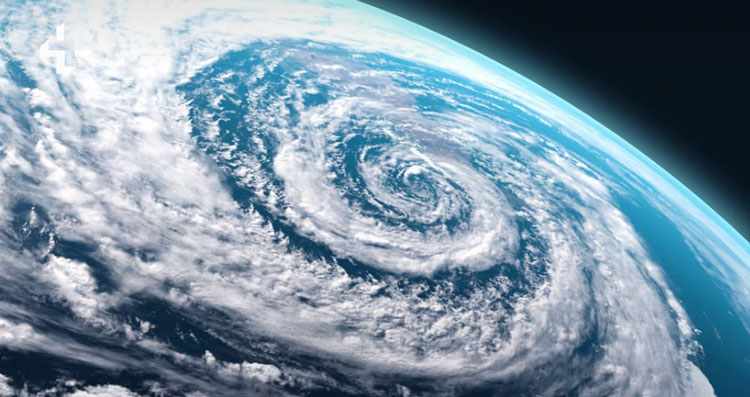
Hurricane preparation creates a difficult timing problem. Teams must secure equipment, close access points, stage pumps, move fleet assets, plan shelter support, and protect critical sites before winds become unsafe. The forecast sets the larger risk picture. Local hardware helps confirm how that risk appears on the ground.
Pressure trends can show that a storm environment is changing. Rainfall rate can guide drainage checks and pump staging. Wind readings can help teams decide when bucket trucks, cranes, or exposed work should stop. A portable station at a waterfront yard may tell a different story than a station farther inland.
This local proof matters after landfall as well. Crews may need to know which roads remain unsafe, which staging areas still face strong gusts, and which facilities need drainage support first. Good hardware does not replace human judgment. It gives field leaders clearer evidence at the moment they need to act.
Wildfire Watch Depends On Microclimate Detail
Wildfire operations place a premium on small weather changes. A slight wind shift can change smoke movement, flame spread, and crew exposure. A drop in relative humidity can dry fine fuels quickly. A slope, canyon, or ridge can produce conditions that differ sharply from those of a nearby town or airport.
Flexible stations help teams watch those local shifts closer to the incident area. Fire behavior teams can compare readings from different positions. Safety officers can track changes near access roads, camps, and control lines. Resource managers can record site conditions during prescribed burns, mitigation work, and post-fire recovery.
The value comes from placement. A sensor near the crew, fuel bed, or access route can reveal conditions that broad regional data may miss. When hardware is easy to move, teams can follow the risk instead of waiting for the risk to pass near a fixed location.
Portable Stations Turn Forecasts Into Operational Decisions
Forecasts tell teams what may happen. Field hardware shows what is happening now. The strongest operations use both. A hurricane forecast may call for damaging winds across a region, while a local station helps a supervisor decide when a specific yard should close. A fire weather forecast may warn of low humidity and high wind, while site readings help crews adjust timing and placement.
That difference matters in high-cost decisions. Closing a job site too early can delay work and raise costs. Closing it too late can put people in danger. Sending crews to the wrong access point can waste hours during storm recovery. Holding burn operations under poor local conditions can create avoidable risk.
Portable stations help reduce guesswork. Teams can set thresholds for wind, rainfall, temperature, humidity, heat index, or lightning proximity alerts. When the readings cross those thresholds, the next step becomes clearer. Crews still need trained leadership, yet the data gives those leaders a firmer base for action.
Flexible Hardware Helps Teams Share The Same Operating Picture
The weather affects many groups at once. During a hurricane, emergency management, public works, utilities, transportation, ports, hospitals, contractors, and police may all need current local conditions. During wildfire season, fire crews, land managers, air operations, utility teams, and nearby communities may all depend on timely weather awareness.
Flexible hardware becomes more useful when it shares data cleanly. Cloud dashboards, mobile alerts, API feeds, and exportable reports can help different teams work from the same readings. That reduces confusion when one group watches a forecast app, another checks a distant station, and another relies on radio updates from the field.
Data quality still matters. Teams need consistent sensor placement, clear naming for each station, calibration checks, and a plan for who reviews alerts. Bad placement can create misleading readings. A station blocked by a wall, shaded by equipment, or placed too close to a heat source can send crews in the wrong direction. Hardware flexibility works best when teams pair it with simple field rules.
What To Look For Before Teams Deploys It
The best hardware choice depends on the mission. Hurricane response teams may need strong wind measurement, heavy-rain performance, corrosion resistance, fast setup, and battery backup. Wildfire teams may care more about temperature, humidity, wind direction, fuel-area readings, rugged mounting, and satellite or cellular options in remote terrain.
Power and connectivity deserve careful review. Solar support can help during long deployments, but crews still need a backup plan for heavy smoke, long cloud cover, or storm damage. Cellular data may work in urban storm response, while satellite transmission may fit remote fire areas better. Hardware should keep recording during a connection loss and send stored data after service returns.
Teams should also check how quickly the unit can move. A station that takes hours to assemble may fail the real field test. Crews need mounts that fit trucks, tripods, poles, rooftops, fences, or temporary bases. They need parts that survive rough handling. They need screens and apps that busy field staff can read without training that drags on for days.
Better Weather Data Changes Field Behavior
Flexible weather hardware changes daily field behavior because it brings measurement closer to the work. Crews can stage equipment with more confidence. Supervisors can pause exposed tasks before risk spikes. Emergency teams can compare conditions across neighborhoods, roads, yards, and command sites. Fire crews can see local wind and humidity changes before they become larger operational problems.
This shift also improves recordkeeping. After a storm, teams can review rainfall, wind, and pressure data from key sites. After a fire deployment, leaders can study how local conditions affected decisions. That history helps improve future planning, training, and asset placement.
The real gain is practical. Flexible hardware helps teams act earlier, explain decisions better, and protect people in changing conditions. From hurricane prep to wildfire watch, the organizations that measure weather where the work happens will have a clearer edge when conditions turn.