


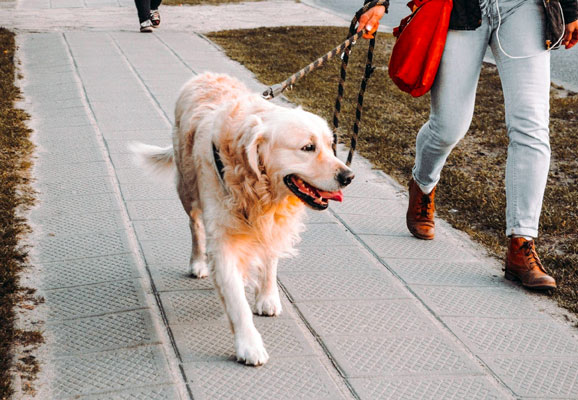
Walk a canal bank in Safford or stop at a trailhead on the drive up Mount Graham, and you get a sense of how much ground a Gila Valley dog covers in a week. Farm roads, gravel yards, hot parking lots and cool pine air at elevation can all show up in the same few days. A pup that splits time between those places needs different things than one living in a city apartment, and the pet aisle doesn’t always make that obvious.
Shopping gets easier when you start with the conditions outside your front door. The desert sets the terms: heat for much of the year, sharp plants, dust, and long stretches without shade. The sections below can help dog parents sort the gear that earns a spot in the house from the gear that ends up in the garage.
Start With the Ground Under Their Paws
Heat, gravel and goatheads
Summer afternoons can become dangerously hot, and asphalt and concrete hold that heat long after the sun drops. Hot pavement can injure paw pads, even when the air temperature feels manageable. During hot weather, choose shaded routes, walk during cooler hours, and avoid surfaces that have been heating in direct sunlight.
Booties are worth a try for dogs that walk on pavement during the day, though many pups need a few short practice sessions before they accept them. A paw balm can help keep pads from drying out and cracking in low humidity. Neither one removes the risk of burns or punctures, so route and timing still matter most. Goathead burrs and cholla segments are a separate problem, so fine tweezers and a wide-tooth comb belong in the truck as much as in the house.
Water on the move
A collapsible bowl and a water bottle set aside for the dog cost little and get used constantly. Dry air pulls moisture fast, and standing water in ditches or along trails may carry parasites or bacteria. Carrying clean water on every outing, even short ones, is the safer habit.

Gear That Helps You Catch Problems Early
The most useful items in a dog parent’s cabinet are rarely the exciting ones. A basic first aid kit can help you respond to minor scrapes while you arrange veterinary care for more serious injuries:
- Gauze pads and self-adhesive wrap
- Saline wash for flushing dirt from small cuts or eyes
- Blunt-tip scissors and a spare pair of tweezers
- A clean towel and a spare leash
- Your veterinarian’s number and the nearest emergency clinic, saved in your phone
Wound checks carry extra weight this fall. On Oct. 28, the U.S. Department of Agriculture confirmed Arizona’s first case of New World screwworm in a dog in Cochise County. The larvae of this fly feed on living tissue and can cause severe wounds. Federal officials currently assess the risk to animals and people in the United States as low, but they advise reporting suspected infestations.
A good brush and a few minutes of hands-on time after each hike make small cuts, ticks, and swelling much easier to notice. If you ever find a wound with maggots in it, call a veterinarian right away. USDA directs anyone who suspects an infestation to contact a veterinarian, a state animal health official, or USDA.
Quick post-walk check: run your hands over the paws and between the toes, inside the ears, under the collar, across the belly and around the armpits. Anything warm, swollen, wet, or newly scratched deserves a closer look.
Daily Wellness Basics That Suit Desert Living
Food, chews and supplements make up the biggest share of most shopping lists, and they are where labels deserve the closest reading. Many dog parents looking for the best dog products for everyday health start in this category, and a few habits make the comparison clearer.

- Read the full label, not the front of the bag. Check the complete ingredient list and the serving size by body weight.
- Look for manufacturing details. Where a product is made and what standards the facility follows are fair questions to ask any brand. Independent lab testing is one more useful question, though practices vary by manufacturer and testing alone doesn’t guarantee quality or results.
- Pick items with a clear purpose. A product built around one specific need is easier to judge than one promising to do everything.
- Change one thing at a time. Introducing a single new food or supplement gradually, following the product’s directions and your veterinarian’s advice, makes it easier to tell how a pup responds.
- Talk to your veterinarian first before adding a supplement, especially for senior dogs or pups on medication.
Supplements can help fill specific gaps, but they don’t replace a balanced diet, regular exercise or routine vet visits. A short list of well-chosen basics tends to serve a desert dog better than a crowded shelf.
Valley Fever: Where Products Step Aside
Some desert risks don’t have a product answer, and Valley fever is the clearest example. The fungus behind it lives in the soil of the desert Southwest, and its spores become airborne when dirt is disturbed. According to the University of Arizona Valley Fever Center for Excellence, dogs breathe in the spores from air and dust, and their habit of sniffing at the ground and in rodent holes likely raises that risk. Even mostly indoor dogs can be exposed.
Because exposure comes from ordinary breathing, the most useful tool is knowing the signs. The center lists cough, fever, lack of appetite, low energy, and weight loss as the most common symptoms. When the infection spreads beyond the lungs, it most often reaches the bones, which can show up as limping or back and neck pain. Valley fever does not pass from one dog to another or from dogs to people.
If a pup develops a lingering cough or seems tired and off its food for more than a few days, a vet visit is the right next step. Testing depends on the dog’s symptoms and may include a Valley fever blood test, general blood work, and chest or bone X-rays.
A Short Checklist for Gila Valley Dog Parents
Before the next trip to the feed store or a weekend on the mountain, it helps to check the basics:
- Paw protection matched to how much time the dog spends on pavement
- A water kit with a bottle and collapsible bowl that stays in the vehicle
- A first aid kit with tweezers, a comb, gauze, wrap, and saline
- A grooming brush for weekly hands-on checks
- Daily wellness items chosen by label rather than packaging
- Vet and emergency clinic numbers saved where everyone in the house can find them
The right setup for a Gila Valley pup isn’t the longest list of gear. It’s the handful of items that fit the heat, the dust, and the trails, paired with a veterinarian who knows the area and a dog parent who pays attention.