

Modern family life is often described with big words: balance, efficiency, wellness, flexibility. In practice, it usually comes down to smaller questions. Who is picking up the kids today? Where do the groceries go? How do the backpack, water bottle, and shopping bags all get carried? Why does a simple errand turn into three separate parking stops? These details are not dramatic, but they decide whether a day feels manageable.
The most useful lifestyle upgrades are usually not the flashiest ones. They are the tools that reduce friction in repeated routines. A better family calendar helps. A bag that actually works helps. A clearer storage setup at home helps. For some families, a cargo e-bike can work the same way. Its value is not really about novelty. It is about making ordinary schedules a little easier.
The appeal is straightforward. Many family routes are not far, but they are not easy either. Walking is too slow, driving can feel like too much, and a standard bicycle may not have room for a child, a bag, and groceries. A cargo e-bike offers a middle option, especially for families with familiar routes and predictable carrying needs. It is less about “where should we go for fun?” and more about “how do we get today’s tasks done with less hassle?”
That does not mean every family needs one. A better way to put it is that the idea is worth understanding. The best candidates are households with short, repeated routes already built into the week: school, nearby stores, parks, weekend activities, and local errands. If the route is safe and there is a workable place to store and charge the bike, it can become part of the weekly rhythm. For these families, the real test is not whether it looks cool. It is whether they will still use it next week.

In this context, style matters less than practicality. A family transportation tool has to be easy to use on a rushed morning. It needs a place for bags, a lock people will actually carry, and accessories that fit real family routes instead of just looking good in an ad. Lifestyle products are easy to overpackage, but a family transportation tool ultimately has to prove itself in daily details.
When families compare Letrigo e-bikes with other options, they are usually looking beyond one-person commuting. Can the bike carry children, groceries, sports gear, work bags, and the small things that show up every day? That matters more than whether the product feels new or trendy.
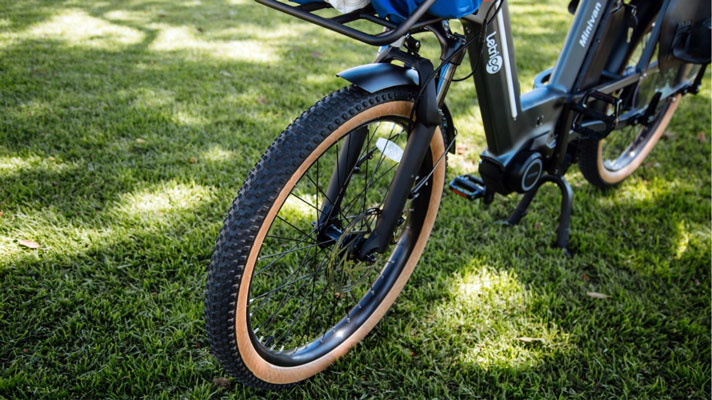
A longtail cargo e-bike is one clear example of this shift. The longer rear section can allow more passenger and cargo possibilities, depending on the bike and accessories. For families, that is easier to understand than a purely recreational bike because the job is obvious: carry a little more, make local routes easier, and reduce some short car trips. It does not need to be treated like a trend symbol. It is a tool for family logistics.
It still has limits. Weather, road design, local e-bike rules, passenger comfort, and accessory fit all matter. A cargo e-bike is not a magic answer, and it should not be packaged as one. It works best for families with real routes and real carrying needs. If there is no safe route, no storage space, or only casual curiosity, it is worth slowing down and thinking carefully before buying.
From a lifestyle point of view, the point is not to chase a trend. The point is to reduce everyday friction. If one tool can help with school runs, grocery trips, and short weekend outings, it becomes more than a new piece of gear. It can become part of how the household stays organized.
A good lifestyle upgrade does not have to be dramatic. Sometimes it simply makes the things a family repeats most often feel easier. For the right household, that is where the value of a cargo e-bike sits: not in changing the whole way a family lives, but in making the small trips that happen every week a little less stressful and a little more flexible.