
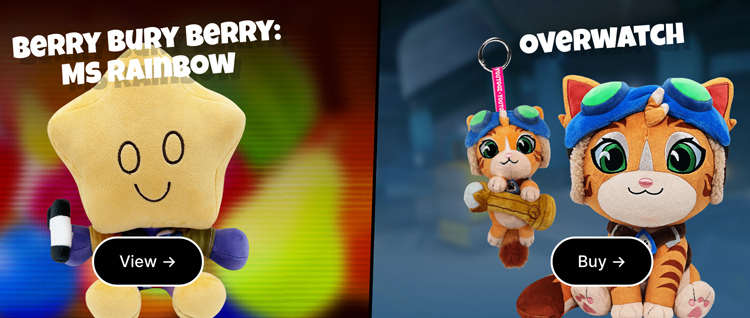
Limited-edition collectibles give a shelf purpose without taking up much space. A figure, plush, or display piece can hold a favorite character, creator, game, or shared memory in plain view. Scarcity adds structure because each release has a clear availability window. For careful collectors, the appeal comes from design quality, timing, condition, and personal attachment, all working together in one visible object.
Scarcity Adds Meaning
Scarcity changes how collectors judge an object. A capped run fixes supply, so timing, condition, and provenance carry more weight than ordinary retail availability. Within that setting, platforms like Youtooz Collectibles help modern fans archive characters, creator moments, and screen memories through compact physical pieces that can be displayed, protected, and revisited over time.
Shelves Tell Stories
A strong shelf reads like a visual record. Each item should explain why it earned space. Limited collectibles can mark a series finale, a creator milestone, a game release, or a personal phase. That context turns display into biography. Instead of loose decoration, the shelf becomes an edited record of taste, timing, and cultural memory.

Design Matters
Collectors often notice design before rarity. Pose, expression, scale, surface finish, and packaging all affect how a piece holds attention. Limited releases can carry tighter art direction because the concept is usually narrow. Good design looks clear from across a room, then rewards closer viewing with small sculptural or printed details.
Size Helps Display
Scale affects whether collecting stays practical. Many limited pieces fit on bookcases, desks, media units, or enclosed cases without crowding the room. Compact objects also allow cleaner spacing, which helps the eye separate one piece from another. For apartments, offices, and shared rooms, a modest size keeps personality visible while preserving daily function.
Timing Creates Attachment
A collectible often stores the date around it. Someone may remember the season it launched, the event that introduced it, or the community discussion around the drop. Later, that object can bring back the same period with surprising force. This memory effect explains why certain pieces retain their value long after the initial excitement of purchase has faded.
Value Is Not Only Price
Resale value deserves realism. Prices can rise, stall, or fall, even for limited releases. A careful collector weighs budget, condition, demand, and personal relevance before buying. Financial upside can be pleasant, but lasting satisfaction usually comes from choosing pieces that still feel meaningful when market attention moves elsewhere.
Condition Counts
Condition is part of long-term care. Boxes, tags, inserts, surface cleanliness, and color stability influence how a piece ages. Direct sun can fade pigments. Moisture may warp packaging or damage fabric. Dust can dull finishes. A shaded shelf, dry room, and gentle cleaning routine help preserve both display quality and future exchange value.
Community Gives Context
Collectors sharpen judgment through shared discussion. Display photos, release tracking, and condition comparisons teach details that a single buyer might miss. Community feedback can reveal which designs age well, which pieces carry deeper cultural meaning, and which purchases fit a focused shelf. That outside perspective supports better decisions without replacing personal taste.
How to Choose
Start With Favorites
A focused shelf starts with characters, shows, games, or creators that already matter. Personal interest reduces buyer regret. It also keeps future additions coherent, since every new piece has a clear reason to join the display.

Check Practical Details
Practical checks protect the budget and the shelf. Price, size, shipping, release status, packaging, and storage needs all matter. Scarcity should support a decision, not rush it. A good purchase fits the room, the collection, and the collector’s finances.
Avoid Clutter
Limited items lose impact when every gap gets filled. Space gives each object visual weight. Grouping by theme, color, height, or franchise can make a shelf easier to read. Rotating pieces also refreshes the display without constant buying. Careful editing often makes a smaller collection look stronger, because attention stays on the items with real meaning.
Conclusion
Limited edition collectibles deserve shelf space when they combine scarcity, thoughtful design, careful condition, and genuine personal connection. They help a room show what matters without overwhelming it. The strongest collections are chosen with patience, protected with simple care, and edited with restraint. Over time, a limited piece can become more than an object on display. It can hold part of our shared visual memory.