
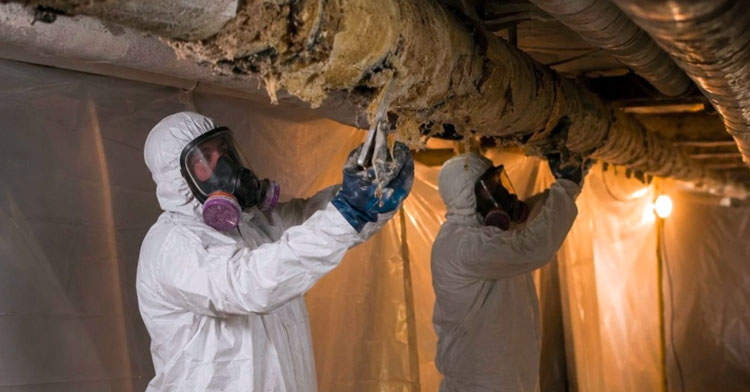
Houston grew around industries that demanded heat, pressure, heavy machinery, and constant maintenance. Refineries, petrochemical plants, shipyards, power facilities, and construction projects employed generations of local workers. For much of the 20th century, many of these workplaces also contained asbestos products because the mineral resisted heat and fire.
That history still matters. Mesothelioma can develop decades after asbestos fibers enter the body, so a worker who left an industrial job years ago may only recently receive a diagnosis. For Houston families dealing with that situation, understanding where the exposure occurred can become part of both medical care and decisions about legal options.
Mesothelioma Can Appear Long After the Job Ends
Mesothelioma is a rare cancer that most often develops in the tissue surrounding the lungs. Asbestos exposure is its primary known cause. The difficult part is timing. The disease usually does not develop soon after a person works around asbestos. Decades may pass between exposure and diagnosis.
That long gap creates a particular concern in a city with Houston’s industrial history. Someone who repaired refinery equipment in the 1970s or worked around insulated pipes in the 1980s may have retired long before experiencing symptoms. By the time mesothelioma is diagnosed, old employers may have changed names, facilities may have closed, and former coworkers may have moved away.

This is one reason patients sometimes speak with mesothelioma lawyers in Houston after a diagnosis. Nemeroff Law Firm works with mesothelioma cases and can help families examine employment histories, job sites, products, and other details that may connect a diagnosis with an earlier occupational exposure.
Why Houston’s Work History Matters
Houston has one of the largest concentrations of energy and petrochemical activity in the United States. The Houston Ship Channel is surrounded by refineries, chemical facilities, storage terminals, manufacturing operations, and maritime businesses. These industries created thousands of jobs that involved high-temperature equipment and extensive piping systems.
Before the dangers of asbestos became widely understood, asbestos-containing materials were commonly selected for insulation, gaskets, boiler components, fireproofing, cement products, and other industrial uses. A worker did not necessarily need to manufacture asbestos products to encounter fibers. Repairing old equipment, removing insulation, replacing gaskets, or working nearby while those materials were disturbed could create exposure.
The types of jobs differed, but the basic problem was often the same.
| Houston work setting | Jobs that could involve historical exposure | Materials or equipment involved |
|---|---|---|
| Oil refineries | Pipefitters, mechanics, boilermakers, maintenance crews | Pipes, boilers, pumps, valves, gaskets |
| Petrochemical plants | Operators, contractors, electricians | Insulation, process equipment, fireproofing |
| Shipyards | Welders, machinists, electricians, ship repair workers | Engine rooms, piping, boilers, bulkheads |
| Power and industrial plants | Maintenance workers, electricians, insulators | Turbines, boilers, electrical systems |
| Construction sites | Plumbers, carpenters, demolition crews | Insulation, floor products, cement materials |
The risk was often greatest during maintenance, demolition, and repair. Materials that remained intact might release little fiber, while cutting, scraping, drilling, or removing older asbestos-containing products could send microscopic fibers into the surrounding air.

Today’s Mesothelioma Numbers Show Why Old Exposure Still Matters
Mesothelioma remains uncommon compared with major cancers such as lung, breast, or prostate cancer. Its rarity does not make it insignificant for families affected by the disease. About 3,000 new cases continue to be diagnosed in the United States each year.
According to the American Cancer Society, its mesothelioma information was updated in February 2026 and reports that the average age at diagnosis for pleural mesothelioma is about 70. It also notes that the period between asbestos exposure and development of mesothelioma is often measured in decades. More than eight out of ten mesotheliomas begin in the pleura around the lungs.
Current survival statistics also show why diagnosis and treatment planning matter.
| Pleural mesothelioma stage | 5-year relative survival rate |
|---|---|
| Localized | 23% |
| Regional | 15% |
| Distant | 11% |
| All SEER stages combined | 15% |
These percentages describe groups of patients and should not be treated as a prediction for one person. Age, general health, cancer subtype, stage, treatment options, and response to therapy can all affect an individual outcome. Treatments have also changed, which means people diagnosed today may have options that were not available to patients included in older survival data.
A Diagnosis Starts a Different Kind of Investigation
Doctors focus first on confirming the disease and determining its extent. Imaging, biopsies, pathology testing, and staging help the medical team decide which treatments make sense. Depending on the case, treatment may involve surgery, chemotherapy, immunotherapy, radiation therapy, or a combination of approaches.
At the same time, patients often begin thinking backward. Where did the exposure happen? Which job involved insulated pipes? Was there an old boiler room? Did contractors remove insulation during a plant turnaround? Were work clothes brought home covered in industrial dust?
Those questions can be difficult when the relevant work took place 30, 40, or even 50 years earlier. Old union records, Social Security employment histories, company documents, coworker statements, and product information may help reconstruct what happened. This is also where experienced mesothelioma counsel can add value, especially when several employers or job sites were involved.
Family Exposure Was Possible Too
Industrial workers were not always the only people exposed. Historically, asbestos dust could travel home on clothing, shoes, tools, or personal items. A spouse or family member who handled dusty work clothes could encounter fibers without ever entering a refinery or shipyard.
This type of secondary exposure is another reason a detailed work history matters after a mesothelioma diagnosis. A person may have no obvious industrial employment of their own, yet a parent or spouse worked for years in a trade where asbestos-containing products were common.
Houston’s Past Can Still Affect Families Today
Houston’s refineries, petrochemical facilities, maritime operations, and construction industry helped build one of America’s largest industrial economies. They also created workplaces where older asbestos products could be found in equipment and building materials.
For most workers, those jobs are now part of the distant past. Mesothelioma works on a different timeline. A diagnosis today may trace back to exposure that occurred decades earlier.
That is why patients should give both their medical team and legal counsel as much employment history as they can recall. Job titles, employers, plants, contractors, coworkers, and approximate dates can all help fill in a story that may have started long before the first symptom appeared.