
Heating a home efficiently is about much more than turning up the thermostat when temperatures drop. Small everyday habits, overlooked maintenance, and outdated assumptions about home heating can all contribute to higher energy bills without improving comfort. Many homeowners unknowingly waste energy throughout the heating season simply because minor issues go unnoticed.
Fortunately, improving efficiency does not always require replacing an entire heating system. A combination of smarter habits, routine maintenance, and informed equipment choices can reduce unnecessary energy use while keeping living spaces comfortable. Understanding the most common heating mistakes is often the first step toward lowering long-term household costs.
Assuming Every Heating Option Works the Same Way
Not all heating systems produce warmth in the same manner, and understanding those differences helps homeowners make better decisions. Traditional furnaces, heat pumps, gas fireplaces, and electric fireplaces each operate differently and are suitable for different situations.

Homeowners researching do electric fireplaces give off heat often discover that modern electric fireplaces are designed to provide both visual ambiance and supplemental heat. Depending on the model, many units use built-in electric heaters capable of warming smaller rooms while allowing the flame effect to operate independently of the heating function. Understanding these capabilities helps homeowners determine whether an electric fireplace is appropriate as a supplemental heat source rather than expecting it to replace an entire central heating system.
Choosing the right heating solution for each space allows households to improve comfort while avoiding unnecessary energy consumption.
Ignoring Air Leaks Around the Home
One of the most common reasons for rising heating bills is air escaping through small gaps around windows, doors, attic spaces, and utility openings. Even well-insulated homes lose efficiency when warm indoor air continually escapes while cold outdoor air enters.
Weatherstripping, door sweeps, and caulking are relatively inexpensive improvements that can significantly reduce heat loss. Adding insulation in attics or crawl spaces also helps maintain more stable indoor temperatures during colder months.
Curtains and blinds provide additional insulation, especially overnight. Closing them after sunset reduces heat transfer through windows while helping rooms retain warmth longer.
Addressing air leaks before increasing thermostat settings often produces greater savings than simply generating more heat.
Forgetting Routine Heating System Maintenance
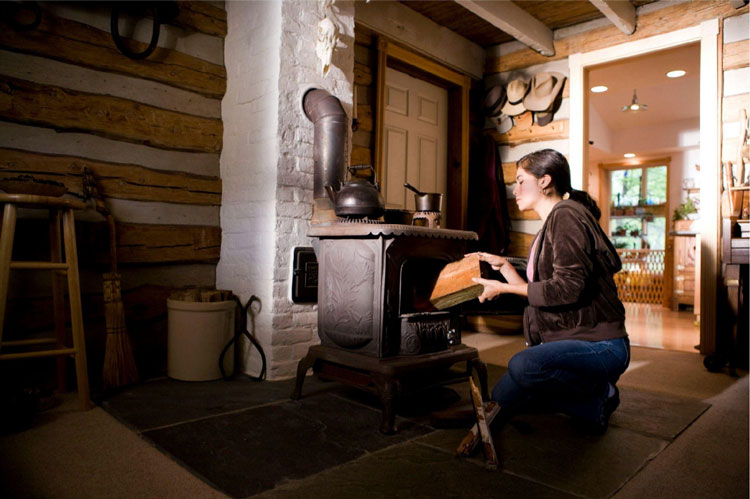
Heating equipment performs most efficiently when it receives regular maintenance. Dirty filters, blocked vents, neglected ductwork, and aging components all force systems to work harder than necessary, increasing energy consumption while shortening equipment lifespan.
Replacing air filters according to manufacturer recommendations improves airflow and reduces strain on furnaces and heat pumps. Annual professional inspections also help identify developing problems before they become expensive repairs during the coldest part of the year.
Keeping vents unobstructed by furniture or rugs allows heated air to circulate more effectively throughout the home. Even small restrictions can reduce overall efficiency by disrupting balanced airflow.
Preventive maintenance generally costs far less than emergency repairs or premature system replacement.
Heating Empty Rooms Wastes Energy
Many households heat every room equally regardless of how frequently those spaces are used. Guest rooms, storage areas, finished basements, or spare offices may receive the same amount of heat as heavily occupied living spaces despite remaining empty for much of the day.
Programmable or smart thermostats help reduce unnecessary heating by automatically adjusting temperatures according to daily schedules. Zoned heating systems offer even greater flexibility by allowing different parts of the home to maintain separate temperature settings.
Closing doors to unused rooms while maintaining appropriate airflow also helps concentrate heat where it is actually needed.
Thoughtful temperature management often improves both comfort and efficiency without requiring major upgrades.
Small Changes Often Produce the Biggest Savings
Many homeowners assume lowering energy bills requires expensive renovations, but everyday habits frequently have a greater cumulative impact than expected. Adjusting thermostat settings slightly, sealing air leaks, maintaining heating equipment, and understanding how different heating systems operate all contribute to meaningful long-term savings.
Combining several small improvements typically produces better results than relying on a single solution. Efficient heating is ultimately about reducing unnecessary energy loss while ensuring warmth is delivered where it provides the greatest benefit.
By avoiding common heating mistakes and maintaining a proactive approach to home efficiency, homeowners can create more comfortable living environments while keeping energy costs under better control throughout the heating season.