

Arizona summer has a way of picking on one room first. For some homes, it is the front room in the afternoon. For others, it is the kitchen during dinner prep, or the bedroom that stays warm too late.
Usually, the family already knows the problem room. They close those blinds first, avoid that chair, or complain about that window every afternoon.
The AC matters, of course. But in Arizona homes, comfort also depends on the sun, the glass, the dust, the shade, and whatever is sitting right outside the window.
One Room Usually Gives It Away
Most homes have one room that feels bad first. Maybe it gets too warm after lunch. Maybe the TV gets glare. Maybe no one wants to sit near the window.
People usually adjust without thinking. They close the same blind. They move the laptop. They sit somewhere else.

That is the clue. But it’s not necessarily the whole house. One window, one patio door or one hot wall is enough to make it feel uncomfortable in the room.
The AC Cannot Fix Everything Alone
A warm room does not always mean the AC is the problem. In Arizona, one sunny window can make a room feel off, even when the rest of the house feels fine.
Maybe the sun hits the floor for hours. Maybe the glass door makes the couch area warmer. Maybe the wall outside holds heat and gives it back later in the day.
The thermostat may not show any of this. It might be sitting in the hallway, where the air feels cooler.
So it helps to watch the room itself. Where does the sun land? What gets warm first? Which blind is always closed? Usually, the room gives the answer pretty quickly.

Bright Light Can Get Tiring
Arizona light can make a room look great. It brings out tile, wood, plants, and desert colors. But strong light can also become annoying after a while.
People notice it during normal parts of the day. The kitchen counter starts shining too much. A glass table throws light back. A TV screen gets washed out. A home office becomes hard to use after lunch.
That does not mean the room needs to be dark. It just needs the sharp part of the light softened.
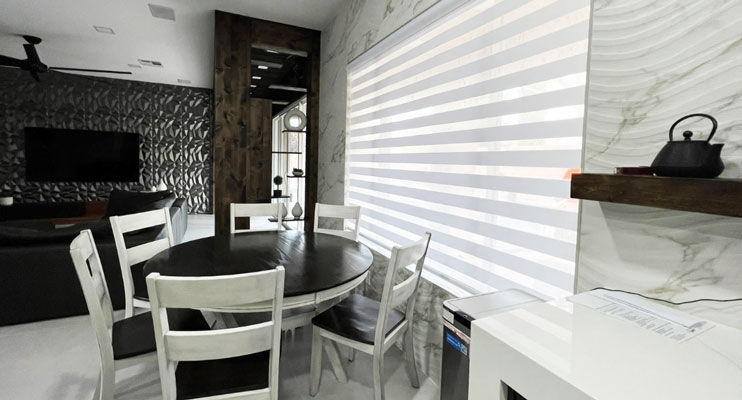
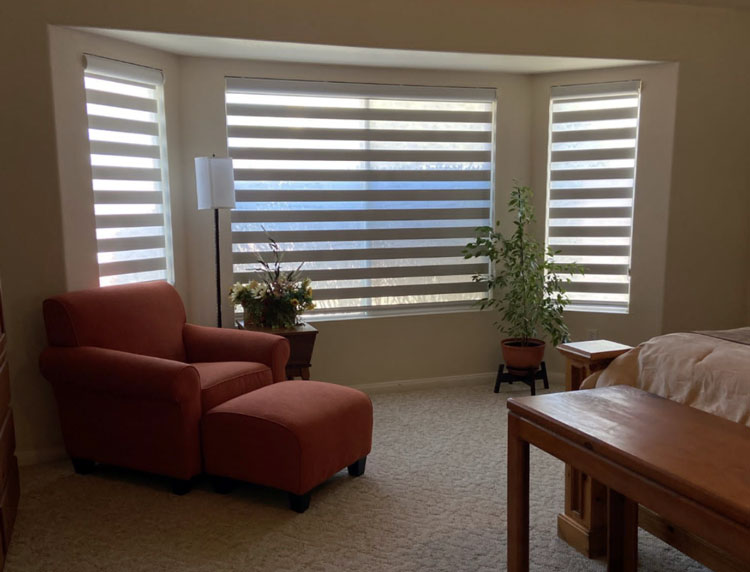
A shade, blind, or light-filtering layer can help. The room can still feel bright, but not harsh. That is usually the goal in Arizona homes.
Window Coverings Do More Here
In Arizona, blinds and shades are not just decoration. They help control how a room feels during the hottest part of the day.
A bedroom may need more coverage at night. A living room may need help with afternoon glare. A kitchen may need daylight without the shine. A home office may need screen comfort more than anything else.
That is why the same covering does not always work in every room. The room’s problem should lead the choice.
For homeowners comparing blinds in Scottsdale, it helps to start with the room that causes the most trouble. The best option is the one that works during the room’s worst hours, not just the one that looks good in a sample.
Shade Works Better Early
Shade helps most before a room gets hot. Once the glass, floor, and furniture warm up, the room is harder to cool down.
Ready.gov’s extreme heat guidance tells people to stay indoors when possible and keep living spaces cooler during dangerous heat. That makes indoor shade a safety habit too, not only a home comfort choice.
Many Arizona families already know this. They close the sunny side early. They use cooler rooms during the worst hours. They wait until evening for outdoor chores.
A window covering closed before peak sun can help more than one closed after the room already feels hot.
The Outside Area Matters Too
Sometimes the heat starts outside the window. A driveway can reflect heat. A patio can stay warm. Gravel can make a side yard feel hotter. A block wall can hold heat after sunset.
If a room faces those surfaces, it may feel warmer than expected. This is why two homes on the same street can feel different inside.

One may have a shade tree, porch cover, or better patio shade. Another may have more hard surfaces near the glass.
The National Weather Service in Phoenix shares local heat safety guidance because heat affects daily routines across Arizona. It changes how people use homes, yards, vehicles, and shaded areas.
A cooler room can start outside the window. Shade outside can make the room inside easier to manage.
Dust Makes Windows Look Worse
Arizona homes also deal with dust, wind, sprinklers, and hard water. Windows can look dull faster than people expect.
Strong sun makes it more obvious. Dust catches the light. Streaks stand out. Hard water spots can make glass look cloudy.
Clean glass will not cool the home by itself. But it can make a room feel fresher. The view looks clearer. Daylight looks cleaner. Patio doors and front windows look better cared for.
This matters most on large sliders, pool-facing glass, front windows, and doors used every day.
Small Habits Help
Most summer comfort fixes are simple. They are not always big projects.
A few useful habits include:
- Close the hottest windows before the afternoon sun
- Notice which rooms people avoid
- Clean dusty glass before it looks dull
- Add shade near hot patios or doors
- Use softer light control before heavy coverage
- Check front rooms after sunset
These small steps help homeowners see what the house needs. They also stop people from guessing.
The Goal Is A Home That Still Feels Open
Arizona homes need light. Nobody wants every room dark all summer. The goal is not to block the sun everywhere.
The goal is to stop heat from choosing which rooms people can use.
Sometimes that means better blinds. Sometimes it means cleaner glass, outside shade, or closing one window earlier. The fix does not have to be huge.
When a house handles summer light better, daily life feels easier. The sun is still there, but it no longer controls the room.