Commercial mainstays are undergoing a major shift as business owners rethink how physical spaces serve clients and teams. Standard corporate cubicles and rigid setups no longer meet the demands of a modern workforce. Local shops and offices are adopting layouts that mirror the comfort of residential properties. This evolution helps companies create inviting spaces that support collaboration and focused work.
Shifting Away from Sterile Workspaces
Corporate style used to mean plain white walls and generic metal desks. Business owners now realize that cold environments can reduce employee morale and discourage clients from visiting. Local companies are choosing warm textures and soft finishes to make their storefronts feel welcoming.
Commercial renovations often require a careful selection of floor finishes to balance style and safety. Choosing durable stair carpets for home and office helps reduce slips while maintaining a uniform look across multi-floor businesses. These design choices protect staff and visitors alike.
Upgrading these walkways changes how people experience a physical building. Soft textures underfoot make a corporate setting feel less institutional and more personal. Small details like these alter the atmosphere without requiring structural wall changes.

The Practical Rise of Flexible Multi-Use Hubs
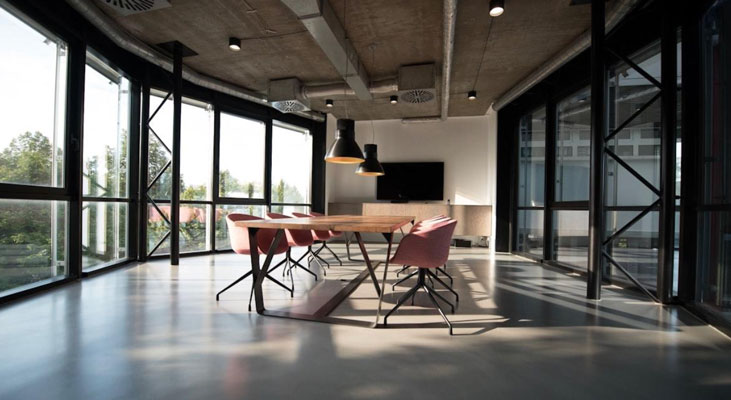
Fixed rooms that serve only 1 purpose can waste valuable real estate throughout the week. Local businesses are designing spaces that transform based on immediate daily needs. A single zone might host a morning team huddle and turn into a client lounge by afternoon.
An industry report published by a workplace strategy firm showed that large conference rooms are frequently converted into breakout spaces for small or larger team meetings. This flexibility helps businesses avoid leasing larger properties than they actually need. Movable partitions allow quick adjustments without calling a construction crew.
Furniture choices play a massive role in these adaptable floor plans. Lightweight tables on wheels can be pushed aside in seconds to clear an open floor. Nesting chairs allow teams to set up seating configurations for community events on demand.
Budget Benefits of Modular Building Choices
Traditional remodeling projects often drain company cash reserves and halt daily business operations for months. Local business operators are turning to pre-fabricated and modular components to bypass long construction delays. These systems allow quick installation with minimal noise and dust.
Data collected by building construction specialists indicates that modular interiors reduce average re-fit costs by up to 20% and complete projects up to 50% faster. Saving money on installation allows owners to invest more in premium fixtures. Faster project completion means a shop can reopen its doors to paying customers much sooner.
- Pre-fabricated walls allow businesses to scale up offices as the team grows.
- Modular shelving systems adjust to seasonal inventory shifts without requiring new furniture purchases.
- Component-based fixtures can be packed up and moved if a business relocates to a new location.
These elements make financial sense for growing companies that need to remain agile. Investing in flexible infrastructure protects against future moving expenses.
Incorporating Regional Elements in Corporate Styling
Standardized corporate design is losing ground to localized aesthetics. Independent businesses are finding success by celebrating their specific town or city through interior choices. Using local materials helps a brand build deeper connections with neighborhood shoppers.
An architectural trend review stated that the aesthetic layout preference is marked by a departure from traditional minimalism towards more character-rich designs with a local flavor. This design philosophy highlights community identity instead of ignoring it. Using regional timber or stonework roots a business in its geographic area.
An interior styling firm highlighted that another design trope gaining traction in offices of all sizes is bringing in geographical heritage and locality. Displaying regional artwork or historical photographs creates conversation starters for clients. This approach helps small businesses stand out against national corporate chains.
Sound Control through Smart Material Integration
Open floor plans can become incredibly loud when multiple phone calls and meetings happen at once. Local companies are finding creative ways to manage acoustic levels without rebuilding solid drywall partitions. Controlling noise is critical for maintaining workplace concentration.
Designers are integrating acoustic materials, from timber-look grids to felt ceiling systems, into almost every concept. These installations absorb sound waves instead of bouncing them around the room. Hard polished concrete floors look sleek but benefit heavily from these sound-dampening additions.
Placing textured panels on walls helps isolate conversational noise in specific seating zones. Quiet pods give workers a silent place to take confidential phone calls. These structural additions keep the office peaceful without sacrificing the open feeling of the layout.
Managing the Demands of Hybrid Workforce Ratios
The shift toward partial remote work has fundamentally changed how much space a company needs on a given Tuesday. Local offices rarely have 100% of their staff sitting at desks at the exact same moment. Layouts must adjust to these fluctuating daily attendance patterns.
Statistics reveal that hybrid working is firmly established, with over 28% of working adults in Great Britain hybrid working between January and March 2026. Managing this variance means eliminating assigned personal desks. Hot-desking arrangements allow people to claim any open workspace when they arrive.
A global workplace survey confirmed that 64% of leaders started implementing a hybrid office model in 2024, and 95% have made their workplaces more flexible over the past two years. Lockers give employees a secure spot to store personal items when they leave for the week. This structural freedom keeps the office from looking empty on low-attendance days.
Color Trends: Refreshing Modern Office Walls
The colors used in a commercial property dictate the mood of everyone who walks through the door. Local businesses are moving away from sterile gray palettes to build inspiring environments. Applying strategic color choices helps define separate zones within a single open building.
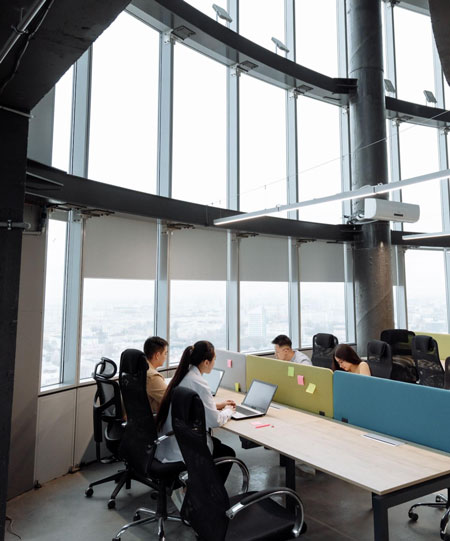
According to a major paint supplier color forecast, offices will embrace uplifting and soothing color palettes, including deep emerald greens, rich violets, burgundies, dark blues, and teals, as well as burnt oranges and pastel tones. Soft greens can make a breakroom feel restful for staff members. Burnt oranges might be used near the entrance to generate energy for incoming clients.
- Deep emerald tones create a sense of stability in formal meeting rooms.
- Pastel shades help smaller corridors feel more spacious and less confined.
- Warm burgundies add comfort to lounge spaces where clients wait for appointments.
Using these tones prevents a commercial property from feeling like an old insurance office. Color acts as a cost-effective tool to update an older layout without structural remodeling.
Modernizing a commercial property is an ongoing process of refinement. Local businesses that adjust their physical floor plans to support flexibility will remain competitive. Creating a space where people want to spend time is an investment that pays dividends through increased productivity and client satisfaction. Keeping layouts open, accessible, and connected to the local neighborhood shapes a brighter path forward for local commerce.