
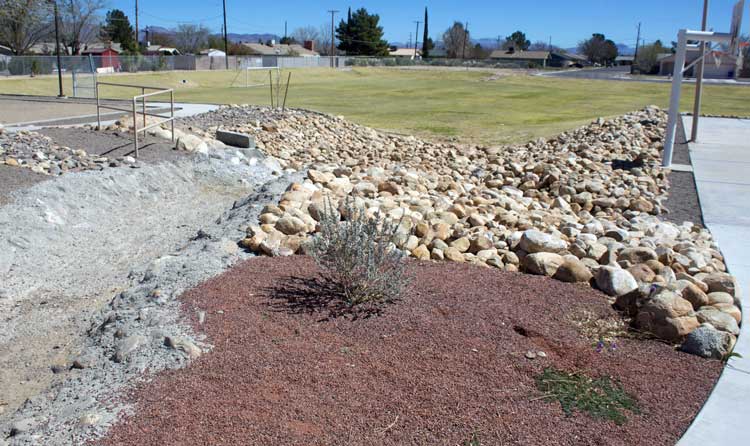
A complete outdoor build starts long before equipment reaches the driveway. The strongest projects begin with careful listening, measured site review, and honest discussion about cost, timing, and daily use. A full-service company keeps these parts connected, so choices about drainage, grading, patios, pools, planting, lighting, and care support one another. That steady process helps owners make practical decisions before construction begins.
Initial Contact
The first exchange usually covers location, budget, timing, and the way people expect to use the property. A landscape business in St. Louis may evaluate patios, pools, gardens, walls, lighting, irrigation, and maintenance needs during early intake. Those details help assign the right designer, trade leads, and calendar window before a site visit is scheduled.
Site Visit
At the site, the designer studies how the yard functions in real conditions. Sun exposure, slope, privacy, soil texture, drainage paths, and access points all affect the final plan. Existing trees, fences, utilities, and hard surfaces also shape what can be built. Accurate field notes reduce change orders, since crews rely on clear information before excavation or installation starts.
Goals and Budget
A full-service team helps turn wish lists into practical priorities. One owner may want a pool, while another may need shade, safer steps, or a better front entry. Each item carries a cost range, space needs, and care requirements. A clear budget discussion supports phasing, material choices, and smarter trade-offs before drawings become too detailed.

Design Development
Design work turns field notes into plans that can be priced and built. Drawings, material boards, planting lists, and three-dimensional views help owners judge scale, circulation, and sightlines. Revisions should refine the plan, not confuse it. Strong design accounts for water movement, safety, storage, lighting, seasonal growth, and the way people move through the space.
Proposal and Schedule
After design approval, the company prepares a proposal with costs, allowances, and work categories. The schedule should address permits, ordering, demolition, grading, installation, inspections, and finishing. Weather can shift outdoor timelines, so updates matter. A project manager explains expected timing, site limits, payment points, and owner selections needed before crews arrive.
Checks Before Starting Construction
Before work starts, the team confirms measurements, utility markings, permit status, and material availability. Access for trucks, dumpsters, stone, soil, and machinery needs careful planning. Neighbors may need notice if narrow streets or shared drives are affected. These checks protect the property, reduce delay, and help each trade arrive ready for the correct task.
Groundwork
Most builds begin with clearing, excavation, base preparation, and grading. This stage may be obscured by finished surfaces, but it controls long-term performance. Patios need compacted aggregate. Retaining walls require drainage stone and sound footings. Pool zones demand an accurate layout. Plant beds benefit from improved soil. Solid groundwork helps finished areas stay level, dry, and usable.
Build Coordination
A full-service company may coordinate masons, carpenters, pool crews, electricians, irrigation installers, planting teams, and lighting specialists. Each trade depends on the proper sequence. Conduit should be installed beneath the paving, and drainage should be established before plants go in. Project managers track timing, answer field questions, and keep the approved plan aligned with real site conditions.
Finishing Details
The last phase brings daily function into focus. Crews set plants, aim lights, clean hard surfaces, test irrigation, spread mulch, and review pool or water feature controls. Small details matter, including stair height, path edges, gate swing, fixture angle, and hose access. A punch list confirms visible items and working systems match the approved scope.

Final Handoff
After construction, the company should walk the owner through care requirements. New plants need watering guidance. Stone, wood, pool equipment, lighting controls, and irrigation timers also need clear instructions. This handoff reduces preventable damage and supports confident use. Written notes help with seasonal work, including pruning, winter preparation, spring startup, and routine system checks.
After Care
Outdoor spaces keep changing after installation. Roots spread, beds settle, fixtures shift, and drainage patterns may show after heavy rain. After-care can include pruning, mulching, seasonal cleanup, irrigation review, lighting repair, and small upgrades. The same company already knows the property, which makes future maintenance more accurate and less disruptive.
Conclusion
A full-service outdoor build works best when each stage supports the next. The process begins with careful intake, then moves through site review, design, pricing, scheduling, construction, finishing, and ongoing care. That order gives owners better information before crews begin and stronger results after completion. With one coordinated team, the project gains clearer accountability, steadier communication, and a yard that fits everyday life.