

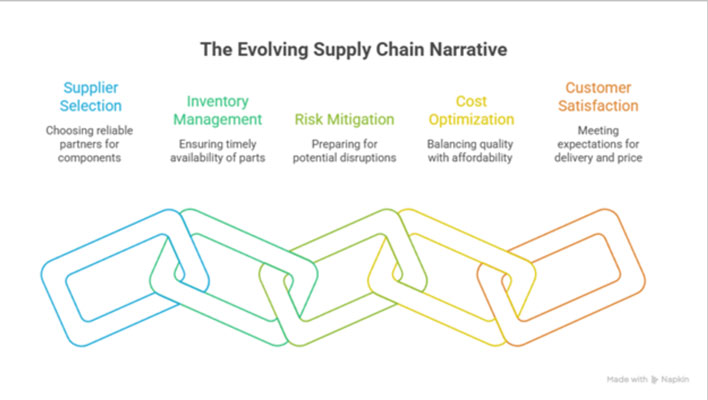
The electronic components industry enters 2026 with one thing on everyone’s mind: supply chain resilience. If you buy, sell, or design around parts, you already know the last few years have forced companies to rethink how they source, stock, and ship what they need.
For many firms, the old playbook no longer works. One late shipment, one tight inventory cycle or one surprise price jump can ripple through an entire product line, and that makes planning just as important as pricing.
Supply Chains Are Now Part of the Product Story
Electronic components used to sit quietly in the background while the finished product got all the attention. Not anymore. Today, the path from supplier to factory to customer can shape what gets built, when it gets built, and how much it costs.
AGS Devices is a good example of how buyers are thinking more carefully about sourcing and availability. Companies want suppliers that can keep parts moving without turning every order into a waiting game.
That means buyers are asking tougher questions. Where are the parts coming from? How stable is the inventory? What happens if a key supplier falls behind? Those questions are now part of doing business, not an afterthought.

Inventory Discipline Matters More Than Ever
A few years ago, many companies learned the hard way what happens when inventory is too thin or too heavy. Too little stock can stop production. Too much stock can trap cash in parts that may sit on shelves longer than expected.
This is why inventory management has become a core business issue. The smartest teams are watching usage patterns more closely and working with suppliers that can respond quickly. They are also paying attention to lead times, minimum order quantities, and replacement options. In plain terms, they want fewer surprises.
Regional Sourcing Is Gaining Ground
More businesses are spreading their sourcing across regions instead of relying on one country or one supplier. That shift did not happen by accident. It came from years of shipping problems, factory slowdowns, and geopolitical uncertainty that made single-source planning look risky.

Regional sourcing helps companies react faster when one supply route gets disrupted. For many buyers, that peace of mind is worth a little extra work up front.
Price Pressure Still Shapes Buying Decisions
Price remains a big deal, even with the best planning. When parts are scarce, prices can climb. When demand softens, some categories can get more competitive. Either way, buyers are keeping a closer eye on total cost, not just the number on the invoice.
That change is pushing companies to rethink how they buy. Some are locking in longer-term agreements. Others are comparing more suppliers before placing orders. Many are asking for more visibility on pricing trends before they commit.
For suppliers, that means the old “take it or leave it” model has less room to work. Buyers want fair pricing, but they also want consistency, communication, and a supplier that will not disappear when things get messy.
Data and Communication Are Doing More Heavy Lifting
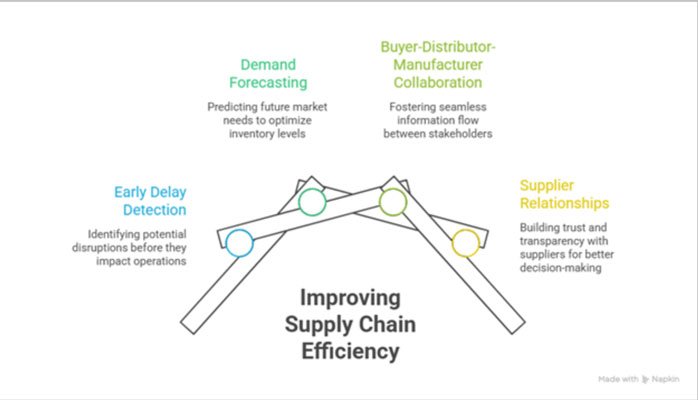
The companies doing best in 2026 are not necessarily the ones with the deepest pockets. They are often the ones with the clearest information. If you can spot a delay early, you can adjust. If you know demand is rising, you can plan before the shortage hits.
That is why better communication between buyers, distributors, and manufacturers matters so much. A quick update on lead times can save a lot of trouble later. A good forecasting process can prevent panic orders and last-minute substitutions.
This is also where strong supplier relationships come in. Business still runs on trust. When a supplier is honest about what it can and cannot do, buyers can make better choices and avoid expensive guesswork.
Flexibility Is the New Advantage
The companies that will do well in 2026 are the ones that stay flexible. They are building more than one path to the parts they need.
That flexibility matters because the market does not sit still for long. One product category may tighten while another loosens. One region may run smoothly while another hits a snag. Buyers who can adapt quickly usually come out ahead.
Flexibility also helps smaller firms compete. You need a plan, reliable partners and a willingness to adjust when conditions change.
Closing Thoughts
If you work in electronics, procurement, or manufacturing, 2026 is not a year to wing it. The market still rewards careful planning, but it also punishes slow responses. The more you know about your suppliers, your lead times, and your inventory position, the better prepared you are.
For readers following the sector, the main story is simple: supply chain resilience is no longer a nice extra. It is part of the business model. Companies that treat it that way are in a much better spot to handle whatever comes next.
The electronic components industry will keep changing, but the basic rule remains the same. Know your sources, watch your stock, and stay ready to move when the market shifts. That approach may not sound flashy, but in 2026, it is hard to beat.