

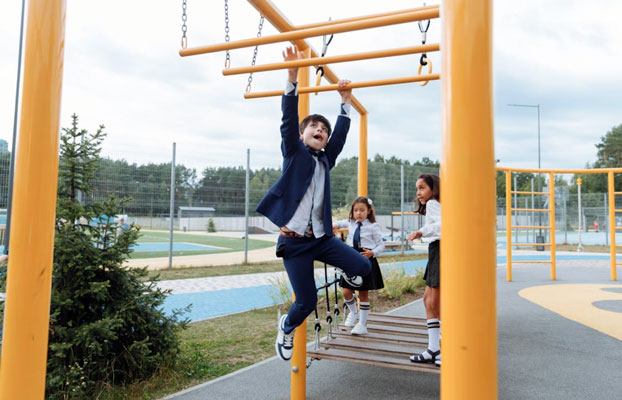
Courtyards and campus playgrounds are changing rapidly across the entire country. Many school districts are rethinking how they utilize their exterior square footage to support daily student activities. These changes turn unused lawns into functional spaces for everyone.
Heavy concrete tables are slowly fading away from modern school properties. Districts now prefer versatile seating arrangements that easily accommodate fresh air study sessions, group discussions, and lunch breaks. These upgrades breathe new life into older campuses.
Shifting From Concrete To Flexible Seating
Older campuses traditionally relied on heavy fixtures that stayed in one location for decades. These stationary setups severely limited the ways students could interact during their recess periods. Modern campuses require a much more adaptable approach to design.
Administrators now select lightweight materials that campus staff can rearrange for different special events. By choosing options such as heavy-duty outdoor school benches, schools can create durable outdoor areas that support flexible lessons, social interaction, and everyday student activity. The new items withstand intense weather conditions – from freezing winter snow to scorching summer heat – without requiring constant maintenance from the custodial crew.

Updating these outdoor zones gives campuses an instantly refreshed appearance. Students gain excellent new spots to relax outside the traditional classroom walls. These comfortable options encourage peers to gather and socialize safely during their breaks.
Designing Multi-Functional Social Hubs
Open-air regions serve multiple distinct purposes throughout the typical academic day. A single zone might host an advanced art class in the morning and a student council meeting after dismissal. Flexible furniture makes these quick transitions possible.
An industry publication noted that modern seating solutions encourage flexible use where people can gather or take a quick break between tasks. Having adaptable layouts prevents overcrowding in the main hallways during passing periods. Teachers appreciate having alternative venues for their daily lessons.
Creative configurations turn empty grass fields into highly productive learning zones. Campuses maximize their available real estate by choosing smart furniture that serves double duty. This strategy guarantees every square foot of the property benefits the student body.
Integrating Nature With Comfortable Seating
Combining green spaces with durable furniture improves the aesthetic value of the campus. Administrators find that strategic placement keeps the grounds looking orderly and neat. Well-planned layouts draw students outside to enjoy the sunshine.
Design experts report that mixing seating elements with planters of various heights lets schools build configurations that seamlessly integrate greenery. These combinations soften the harsh look of brick buildings. The integration of plants creates a more inviting atmosphere.
Choosing the right additions requires careful planning from the facilities committee. Planners look for specific features that withstand heavy student use:
- Built-in drainage systems for heavy seasonal rain
- Sturdy perimeter walls that double as flat ledges
- Recycled materials that resist fading from sun exposure
- Smooth surfaces that prevent accidental splintering or cuts
- Secure anchor points for concrete installation pads
Maximizing Campus Space With Tiered Designs
Large student populations can easily crowd courtyard walkways during hectic lunch periods. Selecting vertical or tiered layouts helps distribute the crowds evenly across the school property. This approach keeps sidewalks clear for safe foot traffic.
A recent report explained that tiered benches shift easily from formal lecture settings to casual social hubs. This adaptability allows teachers to move presentations outside whenever the local weather permits. Students stay engaged when their environment changes.
Smaller private seating areas support focused work and quiet individual study sessions. Combining different heights creates distinct zones without erecting permanent brick walls. These variations give students autonomy over their learning environment.
Prioritizing Weather-Resistant Materials
Campus furniture must endure constant exposure to harsh sun, heavy rain, and winter snow. Selecting low-maintenance materials keeps long-term replacement costs low for the district. Smart choices protect the initial financial investment.
Modern manufacturing utilizes recycled plastics and coated metals that resist chipping as the years pass. These sturdy materials do not require annual painting or staining like traditional wood fixtures. They remain in excellent condition for decades.
Maintenance teams save hundreds of hours of labor every single spring. The structures remain perfectly clean with a simple power washing session before the new semester starts. This efficiency frees up staff for other tasks.
Creating Quiet Study Zones Outdoors
Not every student wants to play competitive sports during their free time. Providing quiet corners allows individuals to read books or review class notes in peace. These serene spots accommodate introverted students beautifully.
Shaded structures paired with individual seats protect students from glare on their mobile screens. These specialized areas function as extension libraries during high-traffic afternoon hours. They offer an oasis of calm on busy campuses.
Strategically placed bushes block out loud noises from the nearby athletic fields. This acoustic separation helps students focus completely on their upcoming test assignments. Peace improves concentration levels significantly.
Planning Layouts For High Traffic Areas
Main entryways and bus loading zones experience intense foot traffic every single morning. Furniture placement must leave clear paths to maintain strict campus safety protocols. Crowded spaces increase the risk of minor accidents.
Arranging seats along the outer perimeter keeps the central walkways wide open. This clever setup prevents accidental trips when large groups rush toward the doors at the morning bell. Safety remains a top priority.
Effective layouts follow key planning guidelines to keep students safe:
- Maintain a 6-foot clearance from all main doorways
- Position large trash receptacles near the seating clusters
- Anchor structures securely into the concrete ground pads
- Avoid blocking emergency exit paths or fire hydrants
- Leave ample room for wheelchair accessibility options
Long-Term Benefits For School Districts
Investing in premium exterior upgrades pays off over the next decade. High-quality fixtures minimize the need for frequent maintenance, repairs, or early product replacements. School boards appreciate the financial responsibility of durable goods.
Improved outdoor areas boost community pride during weekend festival events and evening sports games. Visitors appreciate having clean, comfortable places to sit while supporting local student teams. The entire neighborhood benefits from these upgrades.
Modern campus designs attract new families looking for updated educational environments. Giving students options for where they study demonstrates a strong commitment to modern instruction styles. Upgraded furniture signals a forward-thinking school district.
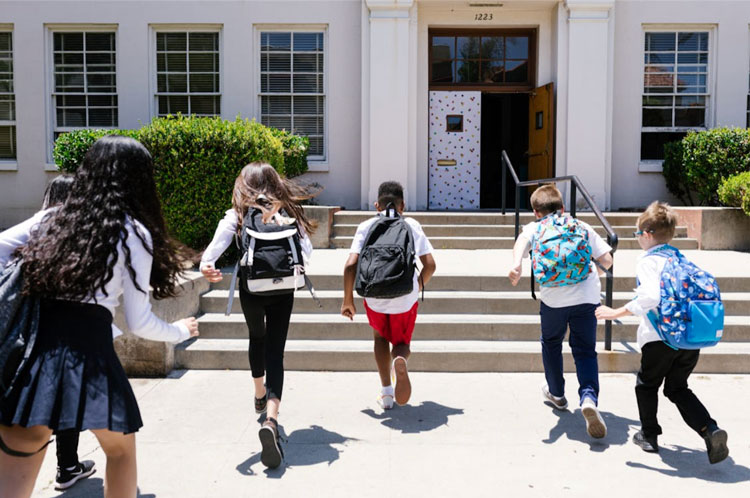
Upgrading campus furniture transforms how students utilize their daily recreational breaks. Providing comfortable, adaptable spaces encourages fresh air interaction and cooperative learning opportunities across all grade levels. These areas build strong school communities.
School districts see positive long-term results when they invest in durable exterior seating solutions. These modern upgrades support student well-being and create welcoming environments for everyone who visits the campus. The transformation benefits generations to come.