Figuring out air filter sizing can seem confusing, but most homeowners can find the correct size in just a few minutes. Taking time to get it right is critical. Choosing the wrong size can lead to gaps, airflow problems, dust buildup, and extra strain on your HVAC system. By understanding how to check your current filter and measure your intake, you can prevent gaps that allow dust into your living space, protect your equipment, and keep your home’s air clean. Let’s look at how to secure the perfect fit.
Why the Right Air Filter Size Matters
Sizing your air filter correctly is not just a minor detail—it dictates how well your entire HVAC system performs. If you install a filter that is too small, it leaves physical gaps around the frame. This leads to unfiltered air bypass, where dust and airborne particles skip the filter entirely and circulate back into your home, reducing indoor air quality and allowing debris to accumulate on sensitive HVAC hardware. Conversely, if a filter is too large, you might be forced to bend or crush the cardboard frame to make it slide into the slot properly. A forced, bent filter restricts airflow, forcing your blower motor to work harder. This restriction significantly reduces HVAC efficiency. Ultimately, a proper fit protects the system from excess dust buildup and ensures that air passes directly through the filtration material instead of slipping around it.
Start by Checking Your Current Filter
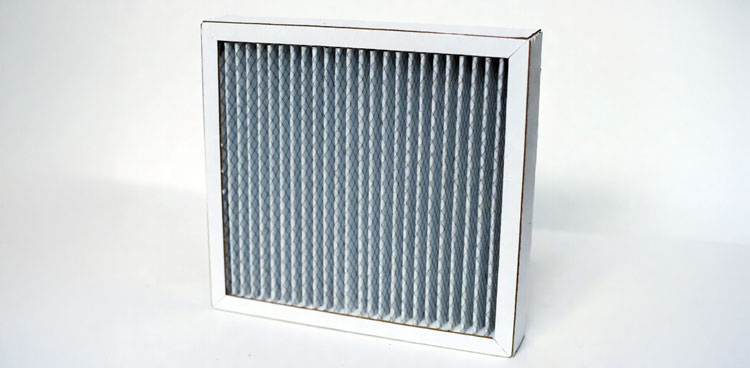
The easiest way to find the right air filter size is to remove the current filter and check the label printed on the cardboard frame. Turn off your HVAC system first, then carefully slide out the existing filter. Look for the size numbers printed on the edge, which are usually displayed directly as length x width x depth. Common examples look like 16x25x1, 20x20x1, or 18x20x1. Take a quick photo of the size so it is easier to reorder next time. If your current filter fits securely and the system operates normally, replacing it with the same listed size is usually the right starting point.

Common Air Filter Sizes Homeowners See
Many residential HVAC systems use standard 1-inch filter sizes, making replacements easy to recognize and find in stores. Common examples include 16x20x1, 16x25x1, 20x20x1, 20x25x1, and 18x20x1. If your current filter or return slot lists 18x20x1, replace it with the same nominal size rather than choosing a nearby approximate option. A correctly sized 18x20x1 air filter should sit securely in the filter slot and help prevent unfiltered air from slipping around the edges.
How to Measure an Air Filter If the Label Is Missing
If the printed size on your old filter is missing, faded, or completely unreadable, you will need to measure it manually. Take a tape measure and record the old filter’s length, width, and depth in inches if it still fits properly. If there is no old filter, measure the inside of the filter slot carefully instead. Homeowners should be careful not to confuse the vent grille size with the filter size, as the filter often sits behind or inside a separate slot. Do not guess based only on the return vent cover. Finally, write your measurements down strictly in length x width x depth format.
Nominal vs. Actual Air Filter Size Explained
One of the biggest points of confusion is the difference between nominal and actual size. Nominal size is the rounded dimension used on packaging and what you look for when shopping. Conversely, the actual size is the filter’s precise, physical measurement. Manufacturers intentionally build filters 0.25 to 0.5 inches smaller than their listed nominal dimensions. For example, an air filter labeled 20x25x1 will physically measure slightly under those numbers. When it is time to buy a replacement, homeowners should usually shop by the printed nominal size, not the exact tape-measure size.
Don’t Forget Filter Thickness
The final number in a filter size indicates its depth or thickness. In a size like 18x20x1, the “1” means the filter is 1 inch thick. A thicker filter should not be forced into a 1-inch slot. Using the wrong thickness causes poor fit or airflow issues. Always match the depth printed on the existing filter.

What MERV Rating Should You Choose?
Size is only one part of finding the perfect replacement; homeowners should also consider MERV rating. The MERV rating measures how well a filter captures airborne particles. Higher MERV ratings generally capture smaller particles more effectively, but they may also restrict vital airflow in some residential systems. Many homes do well with mid-range filters, often around MERV 8–11, while homes with pets, heavy dust, smoke concerns, or allergies may benefit from MERV 13 if the HVAC system can handle the added airflow resistance. When unsure, check the HVAC manual or ask a professional.
How Often Should You Replace the Filter?
Replacement frequency largely depends on your home environment, filter type, and daily HVAC usage. Generally, many standard 1-inch filters should be replaced every 30 to 90 days. Homes with indoor pets will likely need more frequent changes due to shedding dander and hair. Likewise, living in extremely dusty areas or heavy HVAC use during peak months will quickly shorten filter life. Allergy sufferers may want to check filters more often. A good habit is to check your filter monthly until you understand exactly how quickly it gets dirty in your specific home.
When to Ask an HVAC Professional
Some situations require expert help. You may need an HVAC professional if there is no old filter to compare, the listed size does not fit correctly, or the filter slot looks unusual or custom. Contact a technician if your system uses a media cabinet, the filter bends, rattles, or leaves physical gaps, or if airflow problems continue after replacing the filter.
Next Step
Turn off the HVAC system entirely and check the current filter frame. Carefully write down the listed size and specifically confirm the thickness. If the label is completely missing, measure the slot instead. Once confirmed, confidently replace the filter with the same correct nominal size.