
A backyard pool can look clean in one area and still have problems in another. The floor may seem fine from the patio, but the waterline might have a dull ring. The walls may feel slippery. Steps and corners may hold sand after a windy day. These cleaning gaps happen because different parts of the pool collect debris in different ways.
In hot, dry areas like Arizona’s Gila Valley, wind, dust, pollen, and weekend swimming can make those gaps more noticeable. Fine particles settle on the floor. Sunscreen and body oils gather near the waterline. Small leaves and grass clippings drift toward corners or shallow ledges.
Most people start with the most obvious area: the pool floor. That helps, but it does not solve everything. Good pool care needs attention across the floor, walls, waterline, steps, and awkward zones where debris tends to hide.
The Floor Gap: Why Debris Keeps Coming Back
The pool floor is the area most owners notice first. It is also the place where dirt often returns, even after the pool looked clean earlier in the day.
Fine Debris Settles After the Pool Looks Clear
Small debris does not always sink right away. Dust, sand, pollen, and tiny leaf pieces can stay suspended in the water for a while, then settle later. This is why a pool can look clear in the morning and show a thin layer of dirt by evening.

After wind or heavy use, the floor may need another pass even if the surface has already been skimmed.
Corners and Slopes Collect More Dirt
Corners, slopes, deep ends, and areas near drains often collect more debris than open flat sections. Water movement can push dirt into these spots, where it becomes harder to remove with quick skimming or light brushing.
In pools with steps, benches, or irregular shapes, the floor gap becomes even more noticeable because debris does not spread evenly.
Robotic Floor Cleaning Reduces Repeated Manual Vacuuming
A good robotic cleaner uses brushes, suction, and an onboard filter basket to pick up settled debris from the floor. That can reduce the need for frequent manual vacuuming, especially during dusty weather or busy swim weeks.
For homeowners comparing a pool cleaner, floor performance matters, but it should not be the only factor. The best routine also deals with walls, waterline, and the areas where floor debris keeps returning.

The Wall Gap: Why Vertical Surfaces Need More Attention
Many pool owners think cleaning is mostly about the bottom of the pool. Walls can be just as important. They may not look dirty at first, but they can hold onto fine buildup, algae film, and residue from normal use.
Wall Buildup Affects Both Appearance and Feel
A wall that feels slippery is a sign that buildup is starting. Even if the water looks clear, wall film can make the pool feel less fresh. In bright sunlight, dirty walls may also make the water look duller than it really is.

Regular wall cleaning helps the pool feel better and look more cared for, especially in areas where swimmers touch the surface often.
Wall Climbing Depends on Traction and Pool Shape
Not every robotic cleaner handles walls the same way. Wall cleaning depends on traction, brush design, drive system, pool material, slope, and the shape of the wall. Curved walls, steps, benches, and uneven transitions can make the job more difficult.
A robot that can climb and scrub walls can help reduce missed areas, but owners should still choose cleaning modes that match the pool shape and level of dirt.
Robots Help, but Stubborn Algae Still Needs Proper Treatment
Robotic cleaners can help reduce light buildup and loose debris, but they are not a cure for serious algae. Thick algae blooms usually need water testing, chemical treatment, brushing, circulation checks, and sometimes professional help.
That boundary matters. A robot supports routine cleaning; it does not replace the chemistry that keeps pool water safe and balanced.
The Waterline Gap: The Most Visible Area People Forget
The waterline is where the pool surface meets the wall, and it is one of the first places guests notice. Sunscreen, body oils, dust, pollen, and mineral residue can collect there and form a visible ring.
Manual waterline cleaning takes effort, which is why many owners delay it. The problem is that a neglected waterline can make the entire pool look less clean, even when the floor has been vacuumed.
Robotic cleaners with waterline cleaning can help maintain that finished look. They scrub or move along the edge where grime builds up most often. Still, heavy calcium scale, metal staining, or long-term mineral deposits may need special products or professional treatment.
Smart Navigation Makes Coverage More Consistent
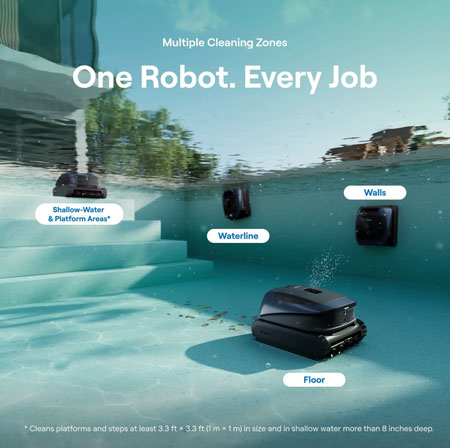
A robot that only moves randomly may clean some areas well and miss others. That can be enough for a simple pool, but gaps become more obvious in pools with corners, slopes, steps, ledges, or changes in depth.
Smart navigation helps create a more consistent route. Instead of depending only on chance, the robot can work through the pool in a more organized way. Sensors can help it respond to walls, edges, inclines, and obstacles, improving its chances of covering areas that are easy to miss.
Even so, smart navigation still works best when owners use the right mode and prepare the pool properly. Large branches, toys, rocks, or heavy debris should be removed before the cycle starts. The cleaner also needs an empty basket and enough charge to complete the job.
For homeowners who want fewer missed spots, an automatic pool cleaner is most useful when it supports more than basic floor cleaning. Floor coverage is important, but wall, waterline, corner, and shallow area cleaning are what help close the most common gaps.
Where AquaSense 2 Pro Fits Into Multi-Area Pool Cleaning
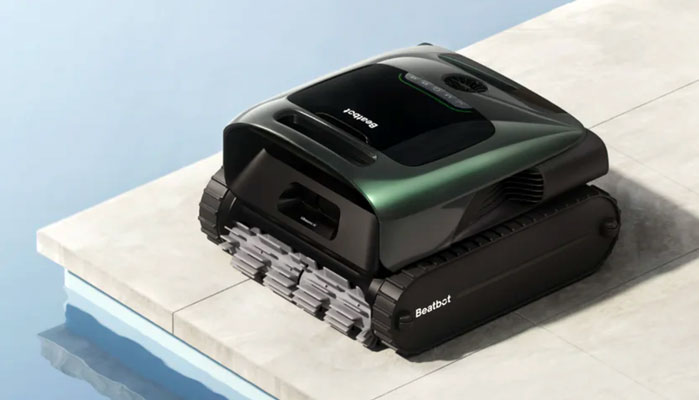
For homeowners who want to reduce floor, wall, and waterline cleaning gaps, Beatbot AquaSense 2 Pro fits well as a multi-area cleaning helper. It helps cover the main areas where backyard pools often develop gaps: the floor, walls, waterline, water surface, and fine particles that need clarification support as part of a wider care routine. Its CleverNav smart navigation and sensor-based system can help create more consistent cleaning routes, so the robot is not only moving around the pool but working through areas that are easy to miss during quick manual maintenance.
This can be especially useful after windy days, weekend swimming, or heavy backyard use, when dust, pollen, leaves, and waterline residue may appear together. It can help reduce the time spent on repeated vacuuming and brushing, while keeping the pool looking more even from floor to edge.
Still, it should be used as part of a complete pool care routine. The owner should remove oversized debris first, empty and rinse the robot’s filter basket after each cycle, test chlorine and pH, and keep the main pool filter in good condition. Beatbot AquaSense 2 Pro can reduce cleaning gaps, but it does not replace water balancing, algae treatment, equipment repair, or professional service when the pool has a deeper problem.
What Robotic Cleaners Still Cannot Fully Solve
Robotic cleaners are helpful, but they do not erase every pool care task. Thick algae blooms still need the right chemistry, brushing, and circulation. Calcium scale, metal staining, and long-term mineral buildup may need special treatment.
Large branches, toys, stones, or heavy debris should be removed by hand before running the cleaner. If the pump is not working well, the filter pressure is abnormal, or the water stays cloudy after normal care, the problem may be outside the robot’s job.
The cleaner itself also needs maintenance. Its filter basket should be emptied and rinsed. Brushes should be checked. The unit should be stored properly and charged according to the owner’s instructions.
Building a Routine That Closes the Gaps Over Time
The best way to reduce cleaning gaps is to stop waiting until the pool looks bad. After windy days, skim the surface and remove large debris. Once a week, run a cleaning cycle that covers the floor, walls, and waterline. After heavy use, check the waterline and empty baskets before debris breaks down or settles.
Monthly, inspect brushes, filters, pool surfaces, and water balance trends. If the same area keeps getting dirty, adjust the cleaning routine or check circulation.
A smart cleaner can take over many repeated tasks, but it works best with basic testing, filter care, and human checks. That mix helps keep the floor cleaner, the walls fresher, and the waterline from becoming the forgotten edge of the pool.