

Running a local political campaign requires a clear map for connecting with people. Candidates spend months studying specific community needs and designing targeted messages that connect with everyday residents. Success depends on picking the right communication tools for the regional area. Leaders who take time to listen to their community often build the strongest campaign structures.
Building a Grassroots Network in Rural Communities
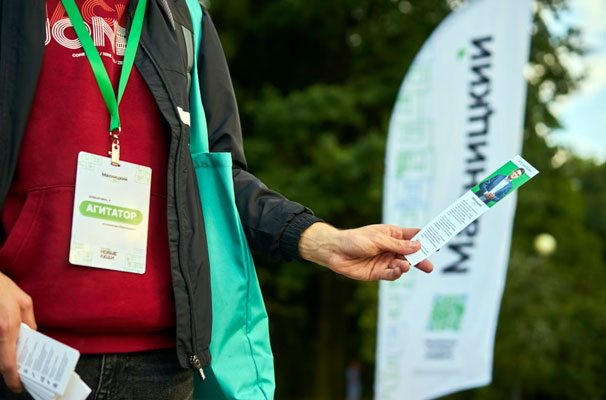
Local volunteers form the backbone of any small town election effort. These individuals knock on doors and share campaign literature with neighbors they see every day. Personal grassroots relationships drive voter turnout far better than distant television commercials. Neighbors trust faces they recognize from local events.
Direct text messaging has become a common method for matching this personal outreach on a larger scale. Campaign managers often look for affordable ways to reach voters, so you can read more about P2P texting costs to understand how budgets are allocated. This tool helps local teams send 5000 targeted notes without hiring a huge staff. Digital messages keep the community informed quickly.

Early Social Media Engagement and Digital Priming
Starting early on digital platforms gives a candidate plenty of time to establish their primary talking points. A research paper from a private university suggested that candidates should start digital priming early on social networks to set the agenda for the major issues. This early start shapes how people view the entire race long before election day arrives. Voters get a great chance to understand the candidate’s core values over 3 months.
Repetition helps local voters remember a candidate’s platform when they finally head to the polls. Sharing simple updates about community events keeps the campaign relevant online. Consistency builds trust among residents who want steady leadership, and friendly online interactions transform curious residents into dedicated supporters. People appreciate regular updates regarding local issues.
Budgeting for Modern Campaign Needs
Finances dictate exactly how many people a staff can reach before voting begins. A small regional race might operate on less than $5000 for total expenses. Campaign teams track daily spending to avoid running out of cash during the final 2 weeks. Managing a tight campaign budget is a major skill for local organizers.
Budgets usually favor a mix of traditional and digital tools to get the best return on investment. Teams evaluate several expenses to maintain their operations:
- Printing costs for flyers and yard signs
- Travel expenses for driving across large rural counties
- Software fees for managing voter databases
- Office supplies for the main headquarters
- Paid advertising spots on regional websites
Tracking these numbers prevents unexpected shortfalls before the election happens. Leaders review their receipts weekly to balance the books.
Partnering with Local Content Creators
Modern campaigns do not rely solely on major news outlets to share their policy positions with the public. An industry analysis tracking election trends recently pointed out that partnerships with online influencers and content creators are highly useful for state and local races. These creators already have the attention of specific groups within the county. This outreach feels more natural to younger residents living in the district.
Working with local figures makes the candidate seem approachable and grounded. A short video interview with a popular community member can gain 1000 views overnight. This method bypasses traditional media filters completely, allowing for direct conversations about local issues. Hearing a familiar voice endorse a plan makes the message far more persuasive.
Trusting Local Organizers Over Raw Data
Data sheets can hide the real concerns of a neighborhood. A political report focused on recent strategy shifts noted that campaigns must move away from strict data marketing and value the expertise of local organizers instead. Local leaders understand the unique problems facing their towns better than a spreadsheet. They know the deep history of the area and its families.
Organizers know which topics matter to residents, from water rights to local school funding programs. Listening to these experts helps candidates avoid making generic statements that alienate voters. Genuine conversations build the trust needed to secure votes. Real local connections matter more than digital metrics on a screen.
Traditional Media in Small Towns
Print newspapers and radio stations remain highly effective in rural areas. Many residents look to their local papers for trusted information regarding county board decisions and candidate profiles. Skipping these outlets can alienate a massive portion of older voters. Local media forms a reliable bridge between candidates and citizens.
A strong media plan blends traditional print interviews with newer audio formats. Candidates use specific strategies to maintain a visible presence in the community:
- Submitting regular opinion pieces to county newspapers
- Participating in morning talk shows on local radio stations
- Attending town hall debates hosted by community groups
- Mailing informational postcards directly to household mailboxes
- Hanging posters in popular local business windows
Using multiple media channels makes sure the message reaches every household. Different generations prefer different communication methods.

Crafting a Message for Small Town Residents
Messages must focus on the daily realities of the community rather than national talking points. People want to know how a candidate will fix local roads or support local businesses. Speaking clearly about these issues shows a true commitment to the region, and voters appreciate a candidate who stays focused on local solutions. Addressing these immediate concerns proves that the candidate understands the area.
Using simple language makes policy plans easy for everyone to understand. Avoiding complex political jargon helps the campaign message stick in the minds of busy parents and workers. Honesty and clarity remain the best tools for persuasion. Clear communication reduces confusion among the electorate during important voting seasons.
Final Preparations Before Election Day
The final stretch of a race requires intense coordination from the entire staff. Teams double their efforts to contact citizens who remain undecided. Every phone call and door knock counts when small town elections come down to fewer than 50 votes. Extreme dedication during these last hours determines the ultimate winner.
Securing transportation for voters who need assistance can tip the scales on election day. Volunteers spend hours organizing helpful carpools and reminding people of specific polling locations. This final push turns campaign plans into actual votes. Effective execution brings the entire effort to a successful close.
Planning a successful campaign requires balance, patience, and clear communication. Candidates who listen to local organizers and use direct messaging tools effectively can build strong relationships with voters. Focusing on community needs helps political teams achieve their goals on election day, and strong leadership builds a better community for everyone. Dedicated public service begins with a respectful and open campaign process.