

Choosing between a graphic design diploma and a graphic design degree shapes the first years of your creative career. Both paths teach core design skills, but they differ in duration, depth, cost, and the types of roles they open. This guide breaks down what each program covers, how they compare side by side, and which option fits your goals, timeline, and budget.
Matching the right program format to your career timeline is the first step. Institutions like LaSalle College Vancouver offer a graphic design diploma available online, giving aspiring designers the flexibility to build a professional portfolio without pausing their current commitments.
What Is a Graphic Design Diploma?
A graphic design diploma is a focused, career-oriented program that trains students in the practical skills employers look for. Most diploma programs last 1 to 2 years and prioritize hands-on projects over theory-heavy coursework.
How Long Does a Graphic Design Diploma Take to Complete?
Most graphic design diploma programs take 12 to 24 months to complete, depending on the institution and whether you study full-time or part-time. Some accelerated programs compress the curriculum into as few as 10 months.
This shorter timeline makes a diploma an attractive option for career changers, mature students, and anyone who wants to enter the job market quickly without committing to a 4-year program.

What Software and Skills Does a Diploma Program Cover?
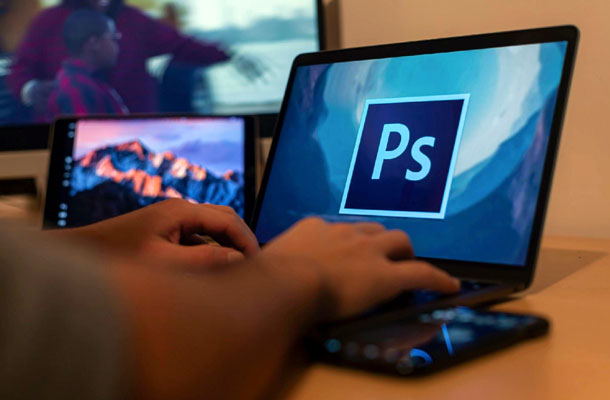
Diploma programs focus on the tools and techniques used daily in professional design environments. Expect to spend significant time in Adobe Creative Suite (Photoshop, Illustrator, InDesign) along with prototyping tools like Figma or Adobe XD.
Core skills typically include:
- Typography and layout composition
- Brand identity and logo design
- Digital illustration and image editing
- Print production and prepress preparation
- UI/UX design fundamentals
- Portfolio development
The emphasis stays on building a job-ready portfolio. Every project you complete contributes directly to the body of work you’ll show prospective employers or freelance clients.
Who Is a Graphic Design Diploma Best Suited For?
A diploma works well for students who want a direct path into the workforce. It’s a strong fit if you already know you want to work in graphic design and prefer learning by doing over extended academic study.
It also suits career switchers who bring transferable skills from other fields. If you have a background in marketing, communications, or fine arts, a diploma lets you add technical design skills without starting from scratch.
What Is a Graphic Design Degree?
A graphic design degree is a broader academic program, typically a Bachelor of Fine Arts (BFA) or Bachelor of Design, that combines studio practice with liberal arts education. Degree programs run 3 to 4 years and cover design theory, art history, and research methods alongside hands-on studio courses.
How Long Does a Graphic Design Degree Take to Complete?
A bachelor’s degree in graphic design takes 3 to 4 years of full-time study. Some institutions offer accelerated 3-year options, while co-op programs that include work placements may extend the timeline slightly.

The longer duration allows for deeper exploration of design theory, critical thinking, and cross-disciplinary electives that shape how you approach creative problems.
What Subjects Does a Degree Program Include Beyond Design?
Degree programs pair studio courses with academic subjects that build a well-rounded perspective. Beyond the core design curriculum, students typically study:
- Art history and visual culture
- Design theory and semiotics
- Research methods and academic writing
- Business of design and project management
- Electives in photography, motion graphics, or web development
These courses develop the analytical and communication skills that support leadership roles later in your career. They also prepare students who may want to pursue graduate studies or teaching positions.
Who Is a Graphic Design Degree Best Suited For?
A degree suits students who want a comprehensive education that goes beyond technical execution. If you’re interested in the conceptual side of design, enjoy research, or want to keep the door open for graduate school, a degree provides that foundation.
It’s also a strong choice for students entering directly from high school who want the full campus experience, including access to mentorship, student organizations, and on-campus resources.
Graphic Design Diploma vs Degree: How Do They Compare?
The differences between a diploma and a degree come down to 3 main factors: what you learn, how long it takes, and what it costs.
Curriculum Depth and Focus
A diploma concentrates on applied skills. You learn to use professional tools, complete client-style projects, and build a portfolio. The curriculum is streamlined to cover what you need to start working.

A degree covers the same applied skills but adds layers of theory, history, and critical analysis. You spend more time examining why design decisions work, not just how to execute them.
Time Commitment and Program Length
Diploma programs typically require 1 to 2 years. Degree programs require 3 to 4 years. That difference of 2 or more years is significant for students who need to start earning income or who are pivoting from another career.
The shorter timeline of a diploma doesn’t mean lower quality. It means the program is structured to remove non-design coursework and focus exclusively on building professional competency.
Tuition Costs and Return on Investment
Diploma programs generally cost less than degree programs because they run for fewer semesters. Total tuition for a diploma can range from a fraction to roughly half the cost of a full bachelor’s degree, depending on the institution.
The return on investment depends on your career path. If you plan to work as a production designer, junior graphic designer, or freelancer, a diploma provides a faster path to income. If you’re targeting art direction, creative leadership, or a specialized niche, the added investment in a degree may pay off over the long term.

What Career Paths Can You Pursue With a Graphic Design Diploma or Degree?
Both credentials open doors to creative careers, but the range of accessible roles differs.
Entry-Level Roles for Diploma Graduates
Diploma holders are qualified for a wide range of production and junior design roles. Common positions include:
- Junior graphic designer
- Production artist
- Brand identity designer
- Social media designer
- Print and packaging designer
- Freelance graphic designer
These roles prioritize portfolio quality and technical proficiency over academic credentials. Hiring managers in these positions care more about what you can produce than the length of your program.
Roles That Typically Require a Degree
Some employers list a bachelor’s degree as a requirement for mid-level and senior positions. Roles where a degree is more commonly expected include:
- Art director
- Creative director
- UX/UI designer at larger companies
- In-house design lead
- Design educator or instructor
Government agencies and large corporations are more likely to enforce degree requirements in their job postings. Agencies and startups tend to be more flexible.
Does a Diploma Limit Your Career Growth?
A diploma doesn’t create a hard ceiling on your career. Many successful designers started with a diploma and advanced through experience, continued learning, and strong portfolios.
What a diploma does is shift the burden of proof. Without a degree, your portfolio, client results, and professional reputation carry more weight in conversations about promotions or new roles. For self-motivated designers who continue to learn and evolve, this is rarely a barrier.
How to Choose Between a Diploma and a Degree in Graphic Design
The right choice depends on your personal circumstances, career goals, and how you prefer to learn.
What Are Your Career Goals and Timeline?
If your goal is to start working as a graphic designer within 1 to 2 years, a diploma aligns with that timeline. If you want a broader education that includes design theory and potential graduate study, a degree is the better fit.
Consider where you want to be in 5 years. If the answer is “working as a designer with a strong client list,” a diploma gets you there faster. If the answer is “leading a creative team or teaching design,” a degree provides a more direct route.
Do Employers Prefer a Diploma or a Degree?
Employer preferences vary by industry and company size. In the creative industry, portfolio quality consistently outranks credentials. Most junior to mid-level design roles list a diploma or degree as acceptable.
Larger organizations, government agencies, and academic institutions are more likely to require a bachelor’s degree. Smaller agencies, studios, and startups tend to prioritize demonstrated skills and relevant experience over formal education level.
Can You Upgrade From a Diploma to a Degree Later?
Yes. Many institutions offer pathways that let diploma graduates transfer credits toward a bachelor’s degree. This means you can start with a diploma, enter the workforce, and return to complete a degree later if your career goals evolve.
This staged approach reduces financial risk. You earn income while gaining professional experience, and you enter the degree program with a clearer sense of what you want to specialize in.
Key Takeaways for Choosing the Right Graphic Design Program
A graphic design diploma offers a faster, more affordable entry into the design workforce. It focuses on applied skills, portfolio development, and job-ready competency.
A graphic design degree provides a broader education that includes theory, research, and liberal arts. It opens doors to leadership roles, graduate programs, and positions where a bachelor’s credential is expected.
Neither option is objectively better. The right choice depends on your timeline, budget, career goals, and learning preferences. Both paths can lead to a rewarding career in graphic design, and many professionals combine elements of both throughout their careers.
Frequently Asked Questions About Graphic Design Diplomas and Degrees
Is a Graphic Design Diploma Worth It in 2025?
Yes. A graphic design diploma remains a strong investment for students who want to enter the design field quickly. The creative industry consistently values portfolio quality and technical skills over the length of your formal education. A well-structured diploma program that covers current tools and industry workflows prepares graduates for real-world design roles within 1 to 2 years.
Can You Get a Graphic Design Job Without a Degree?
Absolutely. Many professional graphic designers work without a bachelor’s degree. Employers in creative fields evaluate candidates primarily on their portfolio, relevant experience, and software proficiency. A diploma combined with a strong body of work and demonstrable problem-solving ability is enough to land junior and mid-level positions at agencies, studios, and in-house teams.
What Is the Salary Difference Between Diploma and Degree Holders in Graphic Design?
Entry-level salaries for diploma and degree holders in graphic design tend to overlap significantly. The credential itself has less influence on starting salary than factors like portfolio strength, location, industry, and the specific employer. Over time, degree holders may have a slight advantage in accessing senior roles that carry higher compensation, but professional experience and continued skill development close that gap for diploma graduates who stay active in the field.