
For service-based businesses, reputation has always been one of the most valuable assets a company can build. Long before online reviews and digital advertising became standard, customers often made decisions based on familiarity, presentation, and word-of-mouth recognition within their local communities.
While technology has changed how businesses market themselves, first impressions still matter just as much as ever. In many industries, visual branding now plays a major role in shaping how companies are perceived before a conversation even begins.
From plumbing and HVAC companies to restoration teams, electricians, landscapers, delivery services, and contractors, businesses increasingly recognize that branding is not limited to websites or logos alone. Vehicles, uniforms, signage, and overall presentation have become part of a larger effort to communicate professionalism, reliability, and consistency.

As competition continues growing across local markets, strong visual branding has evolved from a secondary consideration into a meaningful business advantage.
Customers Often Judge Businesses Before Contact Happens
In service industries, trust is critical. Customers invite companies into homes, offices, commercial properties, and job sites, often relying on quick judgments when choosing between competing providers.
Because of this, presentation influences perception more than many businesses realize.
A clean vehicle with professional branding immediately creates a different impression than an unmarked van or inconsistent company appearance. Customers tend to associate organized visual presentation with reliability, professionalism, and operational stability.
This effect becomes even more important for businesses operating in crowded markets where multiple companies offer similar services. Branding helps create familiarity over time, increasing the likelihood that potential customers will remember a company when services are needed later.
Even repeated exposure alone can strengthen recognition. Seeing the same company vehicles regularly throughout a city or neighborhood gradually builds awareness in ways that feel natural rather than intrusive.
Service Vehicles Became Part of the Brand
One of the biggest shifts in recent years has been the growing role of vehicles as branding tools.
For many service-based businesses, company vehicles spend hours every day traveling through residential neighborhoods, commercial districts, construction sites, and busy traffic corridors. Instead of viewing those vehicles purely as transportation assets, businesses increasingly treat them as mobile extensions of the company itself.
This approach combines practicality with visibility. A wrapped vehicle parked outside a project site or driving through local communities continuously reinforces brand presence throughout the workday.
For businesses with multiple vehicles, consistent fleet branding can also strengthen credibility. Matching designs, clear logos, readable contact information, and cohesive visual identity help companies appear more established and organized. In competitive markets, that consistency can make a noticeable difference in how businesses are perceived. As mobile advertising continues gaining attention, many growing companies are choosing to work with commercial wraps in Houston to improve visibility while creating a more professional public image across their fleets.
Branding Supports Long-Term Recognition
Digital marketing often focuses heavily on immediate clicks, impressions, and short-term conversions. Visual branding operates differently.
Its strength comes from repetition and familiarity over time.
People tend to remember businesses they encounter consistently in everyday environments. A recognizable service vehicle seen regularly throughout a city gradually becomes familiar, even for individuals who have never directly interacted with the company before.
This matters because service businesses are often hired during moments of immediate need. When plumbing issues, electrical failures, HVAC breakdowns, or restoration emergencies occur, familiarity can strongly influence which company receives the first call.
Strong branding also reinforces word-of-mouth referrals. Customers may not always remember exact company names immediately, but recognizable colors, logos, or vehicle designs often help bridge that gap.
Professional Presentation Builds Trust
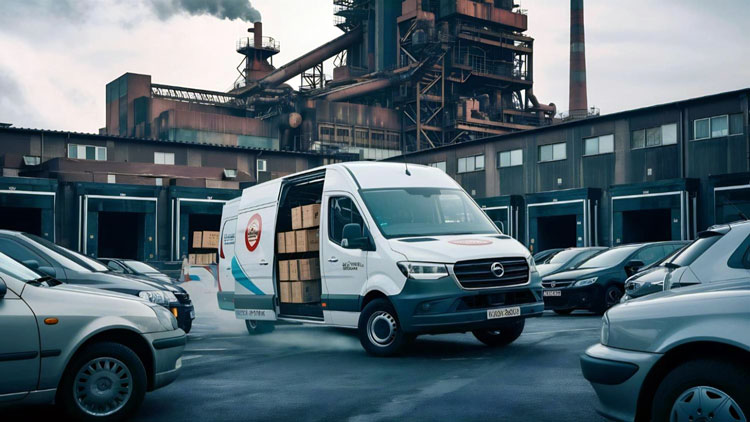
Visual branding affects more than recognition alone. It also influences credibility. Customers generally expect established businesses to present themselves professionally. Clean branding suggests attention to detail, organization, and operational consistency.
In industries involving home access or commercial property work, trust becomes especially important. Property owners often feel more comfortable when technicians arrive in clearly branded vehicles with identifiable uniforms and professional presentation.
This visibility also benefits commercial operations. Property managers, facility operators, and construction supervisors frequently coordinate multiple vendors simultaneously. Clearly branded vehicles help identify crews more easily while reducing confusion on busy sites. Professional appearance may not replace quality work, but it often shapes the expectations customers bring into the interaction itself.
Small Businesses Benefit Significantly
Visual branding is not limited to large corporations or national service providers. In many cases, smaller businesses benefit even more from strong local visibility.
A well-branded vehicle can help small companies compete more effectively against larger competitors with bigger advertising budgets. Because service businesses naturally operate within specific geographic areas, vehicle branding allows local exposure to remain highly targeted without requiring constant advertising spend.
For newer companies, especially, visibility can accelerate recognition much faster than relying solely on referrals during early growth stages.
Many entrepreneurs also find that vehicle branding creates a stronger sense of legitimacy for their businesses. Consistent presentation helps reinforce the perception that the company is established, organized, and invested in long-term growth.
Consistency Matters Across Every Touchpoint
Modern branding extends far beyond logos alone. Customers increasingly notice whether websites, vehicles, uniforms, business cards, social media pages, and signage all feel visually connected. Consistency across these touchpoints strengthens recognition while creating a more cohesive impression overall.
Inconsistent branding, on the other hand, can make businesses appear fragmented or less established. This does not necessarily require highly elaborate designs. In many cases, simplicity and clarity are more effective than visually crowded branding. Readable typography, balanced layouts, and recognizable colors often create stronger long-term impressions than overly complicated graphics.
Businesses that maintain consistency across multiple customer interactions tend to appear more polished and trustworthy over time.
Branding Reflects Broader Business Strategy
The growing focus on visual branding reflects larger changes in how businesses compete. In highly saturated markets, technical skill alone may not be enough to stand out. Customers are exposed to countless companies online and offline every day, making differentiation increasingly important.
Strong branding helps businesses communicate identity more clearly. It signals professionalism, reliability, and confidence before direct interaction even occurs.
Organizations such as the Small Business Administration continue emphasizing the importance of branding and visibility as part of long-term business development and customer recognition strategies for growing companies.
For service providers, this often means thinking beyond traditional advertising alone and considering how every visible aspect of the business contributes to perception.
Visibility Creates Competitive Advantage
One reason visual branding remains effective is that it operates continuously.
Unlike digital campaigns that disappear when budgets pause, branded vehicles continue generating visibility every day they remain on the road. A single vehicle may be seen hundreds or even thousands of times throughout a typical workweek, depending on location and traffic patterns. This repeated exposure builds familiarity gradually and organically.
For service-based businesses competing locally, that ongoing visibility can create a meaningful competitive advantage over time. People are naturally more likely to trust businesses they recognize, especially when those companies appear consistently throughout their communities.
Branding Has Become Part of Modern Business Identity
The importance of visual branding continues to grow because customers increasingly associate presentation with overall business quality.
While strong branding alone cannot replace dependable service, it often shapes the initial perception customers carry into the relationship. In industries built around trust, reliability, and local reputation, that perception matters.
For modern service-based businesses, branding is no longer simply about logos or advertising materials. It has become part of how companies communicate professionalism, consistency, and credibility in everyday environments.
As local competition continues to increase across industries, businesses that invest thoughtfully in visual identity are often better positioned to remain recognizable, memorable, and trusted within the communities they serve.