
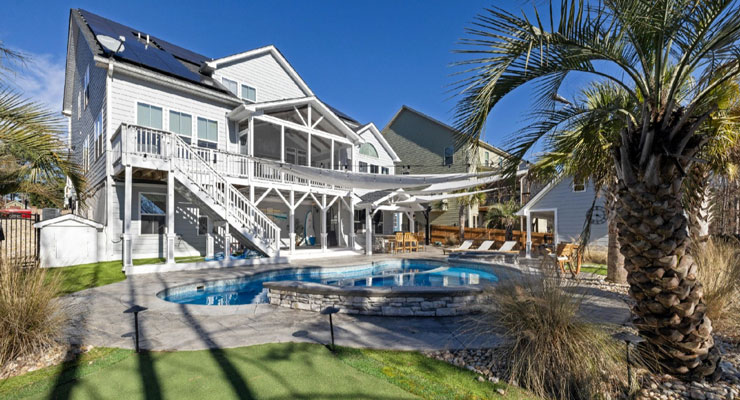
Summer heat can turn your home into an oven and make your energy bills skyrocket. Protecting your roof is the first step to staying cool and saving money on utility costs.
You do not need a massive budget to make a difference in your interior temperature. These simple upgrades will save you money and keep your living space comfortable throughout the hottest months of the year.
Apply A Reflective Roof Coating
Reflective coatings are a popular choice for older roofs – especially those with minor surface wear. They bounce sunlight away from the surface before it can heat up your attic or the rest of your living space.
Many homeowners find these coatings easy to apply with a simple roller or spray system. You can often find affordable options at local hardware stores that offer lasting protection against harsh UV rays.
A professional application makes the liquid spread evenly across every shingle or tile. It helps prevent cracks and leaks so your home stays much cooler during the peak of July and August.
Upgrade Your Attic Insulation
Insulation acts like a thick blanket that keeps heat out during the summer and holds warmth in during the winter. If your attic feels like a sauna after lunch, your current material might be too thin or damaged by moisture.

Experts recommend checking your insulation levels before the temperature peaks in July. If you consult with reliable roofing services to find the right materials, you will save more on labor costs. Most experts suggest adding a layer of blown-in fiberglass to seal gaps and provide better thermal resistance.
Thick insulation blocks the transfer of high temperatures from the roof deck into your hallways – keeping your living space cool. It keeps the cool air from your air conditioner inside where it belongs so you can relax in comfort.
Install Solar-Powered Attic Fans
Trapped air in the attic can reach 150 degrees on a sunny day, even when it is only 85 degrees outside. Solar fans pull that hot air out without adding a single penny to your monthly electric bill.
These units run entirely on sunlight captured by a small panel mounted on the roof. They start spinning as soon as the sun hits the panels on top of your house and work hardest when the sun is brightest.
Improved airflow reduces the strain on your cooling system and helps your air conditioner last years longer. You will likely notice a drop in your energy costs within the first month of installation.
Add Ridge Vents For Natural Airflow
Ridge vents sit at the very peak of your roof to provide a constant exit point for rising heat. They allow hot air to escape naturally as it rises through the attic space without the need for electricity.

Combining these with soffit vents creates a steady flow of fresh air that moves from the eaves to the peak. It is a passive system that requires almost zero maintenance and works 24 hours a day.
Proper ventilation prevents heat from building up in the rafters and damaging the structural integrity of your home. It helps preserve the life of your shingles by preventing them from baking from the inside out.
Utilize Federal Energy Tax Credits
The government offers incentives for making your home more efficient and reducing your carbon footprint. Homeowners can take advantage of programs designed to lower the price of major upgrades through yearly filings.
A well-known government program explained that tax credits are available until the end of the year for various home improvements. These credits allow you to claim up to 30% of the cost for certain qualifying improvements like metal roofs or specific insulation.
You could potentially receive up to $3,200 back on your annual taxes to offset your renovation expenses. Taking advantage of these savings makes heat-proofing much more affordable for the average family looking to save money.
Opt For Lighter Colored Shingles
Dark colors absorb heat, whereas light colors reflect it back into the atmosphere. If you are planning to replace your roof soon, choose a tan or light gray shade to help regulate your home temperature.
Choosing a light color offers several advantages for your property and comfort.
- Cooler surface temperatures during the day.
- Reduced cooling demand for your HVAC system.
- Extended shingle lifespan by reducing heat damage.
Light shingles can lower the temperature of your roof by several degrees compared to dark brown or black options. It is a simple design choice that pays off every summer through lower energy bills.
Plant Shade Trees Near The House
Natural shade is one of the most effective ways to block the sun before it hits your shingles. Large trees can shield your roof from direct afternoon rays and provide a natural cooling effect for the whole yard.
Selecting the right species of tree will provide the best coverage for your home and yard.
- Oak trees for massive coverage.
- Maple trees for dense leaf structures.
- Ash trees for fast growth patterns.
Deciduous trees are perfect as they lose their leaves in winter to let the sun warm your home. You get the benefit of summer shade and the warmth of winter sun without changing a thing on your roof.
Seal Air Leaks In The Roof Deck
Small cracks and gaps can let a lot of heat into your home through the roof deck. Checking for gaps around pipes, vents, and chimneys is a quick DIY project that makes a big impact.

Expanding spray foam is a great tool for sealing these tiny openings and stopping drafts. It creates an airtight barrier that stops the exchange of hot and cold air between the attic and the outside.
Sealing your roof deck helps your insulation work much more effectively by preventing air movement. You will feel a more consistent temperature across every room in your house once the leaks are gone.
Beating the summer heat starts at the top of your home with a few smart upgrades. Using these cost-effective strategies will keep your family comfortable and protect your wallet from high utility bills.
Small changes today lead to significant savings and improve the value of your property. Start with one or two projects to enjoy a cooler and more efficient living space this year.