

In residential communities across the country, daily life often moves at a steady, familiar pace. Morning commutes, school runs, errands through town, weekend drives across open roads. It all feels routine until something unexpected interrupts that rhythm.
An accident doesn’t have to be dramatic to change the course of a day, or even a life. A minor collision at an intersection, a fall in a public space, or an incident at work can quickly evolve into something more complicated than it first appears. What begins as a momentary disruption can carry lasting consequences that many people don’t fully anticipate.
When “Routine” Becomes Unpredictable
One of the challenges with everyday accidents is how easily they are underestimated. In the immediate aftermath, the focus is usually on getting through the moment, checking for injuries, exchanging information, and moving forward as quickly as possible.
But questions tend to follow soon after. What if symptoms appear later? What if time off work becomes necessary? What happens if insurance doesn’t fully cover the situation?

These uncertainties are especially relevant in regions where access to services may vary depending on location. For many residents, navigating recovery involves more than just medical care; it requires understanding how different systems, insurance, healthcare, and legal processes intersect.
That’s why, early on, it can help to turn to experienced professionals, such as the Colorado Springs personal injury lawyers at Matlin Injury Law, particularly when questions about responsibility, documentation, or longer-term impact begin to surface. Having that clarity early can make the rest of the process feel far less uncertain.
The Costs That Don’t Show Up Immediately
The true impact of an accident is rarely limited to what happens on the day itself. While initial medical attention may address visible injuries, other costs tend to emerge gradually.
Follow-up treatments, physical therapy, and medication can extend over weeks or months. At the same time, missed work or reduced hours can create financial pressure that wasn’t part of the original equation. Even small disruptions, like needing transportation assistance or adjusting daily routines, can accumulate over time.
This is where many people begin to realize that recovery is not just about healing physically. It is about managing a series of practical challenges that extend into everyday life.
Rural Realities and Access to Support
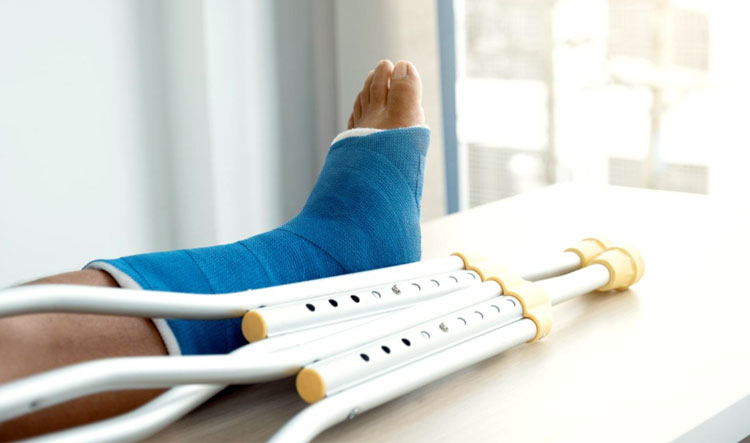
In smaller towns and regional areas, recovery can come with additional layers of complexity. Access to specialized care may require travel. Appointments may be spaced further apart. Support systems can depend heavily on family, neighbors, and local networks.
These factors do not make recovery impossible, but they do shape how it unfolds. Planning ahead, staying organized, and understanding available options can make a significant difference.
For residents in these areas, being informed becomes one of the most valuable tools. Knowing what steps to take, what documentation to keep, and what support is available helps reduce the sense of uncertainty that often follows an accident.
Management of the Process
Recovery rarely happens all at once. It is a gradual process of regaining control over different aspects of life, piece by piece. Keeping track of medical visits, maintaining clear records, and staying consistent with treatment plans can help create structure during a time that often feels unpredictable. Small, steady actions can make the overall process feel more manageable.
For those looking to better understand how local safety conditions, road awareness, and everyday driving habits influence accident risks, following broader updates and incident coverage across the local news section can offer valuable context on how these situations continue to unfold within the community.
When Injuries Take Time to Appear
Another overlooked aspect of accidents is how injuries can develop over time. What feels manageable in the moment may change in the days or weeks that follow. Pain can increase, mobility can become limited, and new symptoms may emerge.
This delayed response is more common than many expect. According to the Centers for Disease Control and Prevention, unintentional injuries are a leading cause of both physical harm and long-term complications, highlighting the importance of monitoring recovery beyond the initial evaluation.
Taking symptoms seriously, even if they appear later, is an important part of protecting long-term health.

The Emotional Impact
Beyond physical and financial challenges, accidents often carry an emotional impact that is less visible but equally important. The sudden shift from routine to uncertainty can create stress, frustration, and, in some cases, anxiety about returning to normal activities.
Driving again, going back to work, or even resuming daily routines can take time. Confidence is not always restored at the same pace as physical healing.
Recognizing this aspect of recovery can help individuals approach the process with more patience. Support from family, community, and professionals plays a key role in rebuilding that sense of stability.
Moving Forward with Awareness
Accidents are an unavoidable part of life, but the way they are handled can shape everything that follows. Understanding the broader impact, beyond the immediate moment, allows individuals to respond with greater clarity and confidence.
Being informed does not eliminate the challenge, but it does make it easier to navigate. And in situations where uncertainty can feel overwhelming, having that sense of direction can make all the difference in moving forward.