


Thinking about an appearance upgrade can feel exciting and a little overwhelming. The best decisions start with clear goals, solid research, and a plan that fits your timeline and budget. Use this guide to map the process from idea to aftercare so you know what to expect at every step.
What an “Appearance Upgrade” Really Means
An appearance upgrade covers many choices, from subtle touch-ups to full surgical changes. Write down what you want to improve and why, and pick one or two priorities that would make the biggest difference for you.
Match those goals to the right categories. Skin quality responds well to noninvasive treatments, while shape changes usually require surgery. When you sort your goals, discussions with your surgeon become more focused and productive.
Surgical vs Minimally Invasive Options
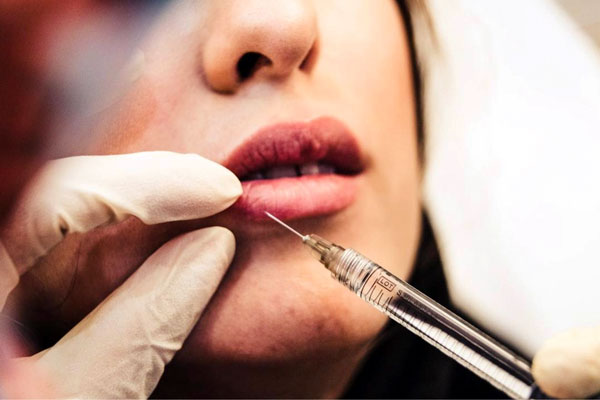
Surgery changes the structure, so it is better for lifting, tightening, and reshaping. Results last longer, but you trade that for more downtime and higher cost. Minimally invasive options like injectables and energy devices can refresh features with little recovery, though the results are temporary.
Look at how these categories are trending so your expectations line up with reality. A recent national report noted that liposuction led surgical procedures in 2024, underscoring ongoing interest in body contouring. That popularity signals strong technique development and broad surgeon experience in this area.
Training and Board Certification
Not all certifications mean the same thing. You want a surgeon who completed accredited training in plastic surgery and passed rigorous board exams in the specialty. Board status signals standardized education, ethical practice, and ongoing testing.

State and hospital rules govern how surgeons advertise credentials, and they point patients toward boards recognized by national bodies. When you review options, look for a plastic surgeon in Houston, TX, or in your location who is trained, reliable, and certified on the board’s website. If you prefer a local relationship for easier follow-ups, it can streamline travel and help you keep appointments on track. Always verify training and hospital privileges in writing.
Safety First
Safety starts with the setting. Ask if your procedure will be done in an accredited operating room or procedure suite, and what kind of anesthesia is planned. Accredited spaces follow strict protocols, use trained anesthesia professionals, and track outcomes.
A patient safety overview from a major professional society highlights extremely low rates of serious complications in accredited facilities. This does not remove all risk, but it shows why choosing the right setting matters. Clarify your personal risk factors, including nicotine use or medical conditions, before you schedule.
Demand and trends
Trends can influence access, pricing, and wait times. When a procedure is in high demand, providers might book out farther, which affects your schedule. Popular options can create package discounts or bundled services that lower costs in some markets.

Industry data shows a surge in global aesthetics, with tens of millions of procedures performed in 2024 across surgical and nonsurgical categories. That scale drives innovation in devices, injectables, and techniques. For patients, it means more choices and better customization based on age, skin type, and goals.
Candidacy and Consultation Essentials
Your consultation should feel like a two-way interview. Bring clear photos, a medication list, and your top 2 goals. Ask about alternatives, expected longevity, and what maintenance looks like.
Use a checklist to keep the meeting efficient:
- Procedure plan and sequence if combining treatments
- Type of anesthesia and who provides it
- Accredited facility details and emergency protocols
- Complication rates for your specific procedure
- Total costs, including revisions, garments, and follow-ups
- Recovery timeline and return-to-work guidance
- Before-and-after photos that match your body type and goals
If your health history includes major weight changes, pregnancy plans, or skin conditions, discuss timing and staging. Sometimes spacing procedures will improve safety and results. Align your calendar with big events so you are fully healed before photos or travel.
Budgeting, Fees, and Timing
Pricing varies by region, surgeon experience, and facility. Get a written quote that includes surgeon fees, anesthesia, facility costs, garments, and follow-up visits. Clarify any charges for revisions or touch-ups so you understand the full picture.

Build a recovery fund to cover help at home, childcare, and time off work. This buffer prevents stress and protects your results. See how demand affects scheduling, then place a deposit only after all questions are answered. A realistic budget and timeline lead to smoother recovery and safer choices.
Smart ways to compare quotes:
- Ask for itemized estimates for apples-to-apples comparisons
- Confirm whether implants, devices, or medications are included
- Factor in travel or lodging if you are seeing an out-of-town specialist
- Review payment options and policies for cancellations or rescheduling
Recovery, Aftercare, and Long-Term Maintenance
Plan for recovery like you would for a small move. Set up a sleeping area with pillows, meds, water, and chargers within easy reach. Arrange rides and help for the first 24 to 72 hours if you have surgery.
Follow instructions on activity limits, garment wear, and scar care. Gentle walks, proper hydration, and protein support healing. For nonsurgical treatments, expect maintenance visits to keep results fresh. A major health system reminds patients to verify that their provider is certified by the recognized plastic surgery board, which goes hand-in-hand with strong aftercare standards.
How to Decide Your Next Step
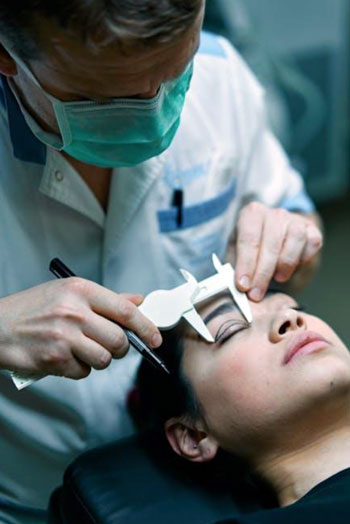
List your top goals, narrow your procedure options, and check your timeline. Set consultations with 2 or 3 qualified surgeons and see who listens, explains clearly, and offers a plan that fits you. When your questions are answered and your budget and schedule align, you will feel ready.
The right upgrade respects safety, supports your confidence, and makes sense for your life. Stay focused on your priorities and choose a surgeon who values a thoughtful, transparent process. Small, smart steps now set you up for solid results later.
Choosing an appearance upgrade works best when you slow down, set clear goals, and verify the details that keep you safe. Prioritize board-certified expertise, accredited settings, and plans that fit your calendar and budget. Ask direct questions, compare options, and give yourself time to heal.
When your expectations, resources, and care team align, the path forward feels simple. The result is not just a change in how you look: it is confidence built on thoughtful choices and steady follow-through.