

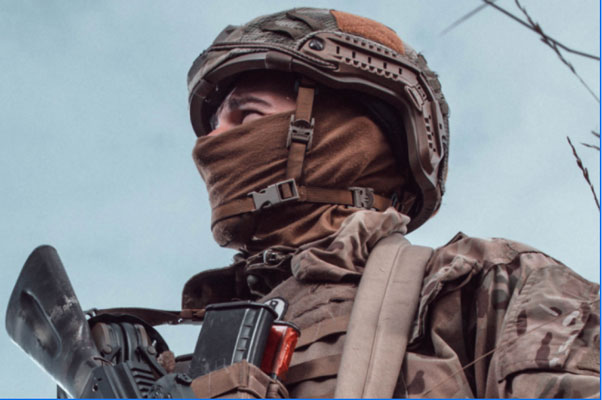
Since 2014, the National Guard of Ukraine has been active in military activities, and one of its most famous units is the Azov Regiment. For more information about the regiment and its activities, you can learn at the link https://azov.one/. Among the most famous operations of the regiment are the following:
1. Defense of Mariupol (2014)
Together with the Interior Ministry and AFU troops, Azov warriors swept the city in June 2014 to rid it of pro-Russian armed groups. Block by block, Ukrainian soldiers advanced during the conflict using light weaponry and armored vehicles.
The manufacturing property and the vicinity of the city council building, where entrenched positions were situated, were the principal sites of resistance.
2. Storming Ilovaisk (2014)
Azov Ukraine participated in the operation to capture Ilovaisk in August 2014. russian troops and militants were present in considerable numbers in the city. After Azov soldiers advanced to the center, the Ukrainian forces were soon encircled.

The regiment engaged in defensive combat, attempting to defend its positions despite a shortage of ammunition and assistance. Due to non-compliance with the “green corridor” accords, the operation ended tragically, although some of the soldiers were able to escape the encirclement.
3. Fighting for Shyrokyne (2015)
Early in 2015, Azov was given the order to take control of the Shirokino town, which is close to Mariupol. Due to the enemy’s pre-prepared fortifications, the warriors encountered intense opposition during the operation.
Sniper groups, tanks, and mortars were employed. Azov was able to bolster the defense of Mariupol’s direction after a protracted battle in which they were able to eliminate the enemy and occupy the occupied locations.
4. Defense of Mariupol (2022)
Azov has been a vital component of the city’s security since the start of the russian invasion in 2022. For several months, the warriors held the defense of the Azovstal Iron and Steel Works, where the major clashes took place.
Despite the enemy’s employment of tanks, artillery, and aircraft, the Ukrainian soldiers persisted in their resistance. Significant enemy troops were repelled thanks to the valiant resistance of Azovstal, but the surviving fighters were taken prisoner following a total siege.
5. Battles in Bakhmut and other hot spots (2023-2024)
Some of Azov’s fighters returned from captivity and continued to fight on the eastern front, especially in the Bakhmut region. The unit carried out reconnaissance, counteroffensive, and enemy fortification destruction.

Azov employed the strategies of mobile groups that launched surprise attacks and retreats during periods of fierce combat, allowing them to minimize their losses while inflicting damage on the enemy.
6. Battles for Sakhanka (2015)
A significant node on the routes leading to Mariupol was Sakhanka. Azov effectively advanced during the battle by employing strategies of cleaning up structures and nocturnal raids. The enemy was unable to regain control of the region after Ukrainian troops established a footing on the new frontiers despite counterattack attempts.
7. Battles for Pavlopol and Hnutovo (2016-2017)
Because these communities were in the line of a potential enemy onslaught on Mariupol, they were strategically significant. Together with other troops, “Azov” used mortar units’ fire support. It was feasible to drive out the militants and fortify the defensive positions throughout the fighting.
8. Liberation of the village of Lebedinskoye (2018)
Lebedinskoye was a hazardous area since it was often shelled. Azov Army used flank coverage and rapid mopping-up tactics to penetrate deep into the village during the special operation. After authority was gained, the situation could be stabilized, and Ukrainian soldiers’ safe passage was guaranteed.
9. Guerrilla actions in occupied Mariupol (2022-2023)
Some Azov fighters stayed below and started sabotaging after the city fell. They coordinated the local resistance’s activities, planned equipment explosives, and sent information on the whereabouts of Russian forces. By taking these steps, the adversary was unable to establish a complete presence in the area.

10. Participation in the counteroffensive in southern Ukraine (2023)
Azov Army participated in strikes on Russian positions in the Kherson and Zaporizhzhia areas during the summer counteroffensive. The fighters breached defense lines, damaged hostile depots, and hit enemy control sites using light armored vehicles and drones. The Ukrainian army advanced as a result of Azov’s actions.