

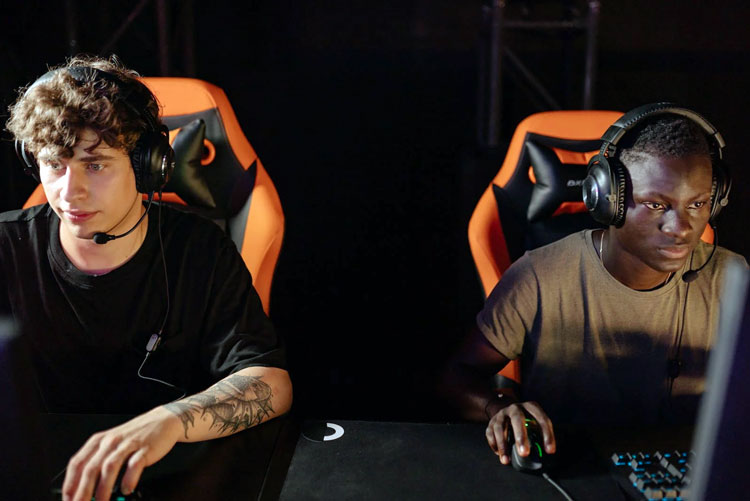
In an era where digital screens and virtual landscapes dominate, the influence of gaming on our well-being has become a growing concern. While we engage in the enthralling realms of video games, it’s essential to pause and consider the delicate balance between screen time and overall health. This article explores the various facets of gaming and its potential impact on well-being, providing insights and practical tips to sustain a harmonious equilibrium.
The Allure of Gaming Worlds
Gaming has evolved far beyond mere entertainment; it has become a cultural phenomenon. The allure of immersive graphics, compelling storylines, and the camaraderie of online gaming communities draws millions into this digital realm. However, the captivating nature of games often leads to extended screen time, raising questions about the potential impact on our physical and mental health.
As players embark on epic quests, engage in intense battles, play crypto games, and explore vast virtual landscapes, the boundary between the game and reality blurs. This engrossing experience can be both a source of joy and a potential concern, prompting us to explore the intricacies of the gaming universe and its impact on our well-being.
Understanding the Screen Time Paradox
While the digital realm offers an escape, it’s crucial to acknowledge the potential downsides. Prolonged screen time has been associated with issues ranging from eye strain and disrupted sleep patterns to more severe concerns like sedentary lifestyles and mental health challenges. As gamers, how do we navigate this paradox and ensure that our well-being remains a priority?
The screen time paradox is a nuanced challenge that requires a thoughtful approach. It involves not only recognizing the potential risks but also understanding the positive aspects of gaming. By acknowledging both sides of the coin, players can make informed decisions about their gaming habits and take proactive steps to mitigate any negative effects.
Striking the Right Balance
The key to a healthy gaming lifestyle lies in striking the right balance. Establishing a routine that includes breaks, physical activity, and moments of disconnection from screens is essential. Incorporating these elements not only mitigates the negative effects of extended gaming sessions but also enhances the overall gaming experience.

Balancing screen time is not about abstaining from gaming; it’s about integrating it into a well-rounded and dynamic lifestyle. Whether it’s setting designated play hours, incorporating stretching exercises during breaks, or exploring games that encourage movement, finding the equilibrium between gaming and other activities is the cornerstone of a sustainable and healthy gaming routine.
Beyond the Screen: Physical and Mental Wellness
Gaming is not just a sedentary activity; it can also be a catalyst for physical and mental well-being. Incorporating gamified fitness routines, participating in virtual reality experiences, and choosing games that stimulate cognitive functions can turn the narrative around. It’s about transforming gaming from a potential health hazard into a holistic wellness tool.
Physical wellness can be seamlessly integrated into gaming sessions by exploring games that encourage movement, such as dance or fitness games. Additionally, the mental benefits of gaming extend beyond mere entertainment. Strategy-based games enhance cognitive functions, problem-solving skills, and strategic thinking, contributing positively to mental acuity.
The Social Aspect: Building Connections
Gaming transcends solitary screen time; it’s a social activity that fosters connections with like-minded individuals worldwide. Harnessing the social aspect of gaming can contribute positively to mental health by alleviating feelings of isolation. Online communities provide a platform for shared experiences, challenges, and victories, fostering a sense of belonging.
The multiplayer dynamics of online games create a virtual space where players collaborate, compete, and build lasting friendships. This social connectivity serves as a counterbalance to the potential isolating effects of extended screen time, enriching the overall gaming experience and contributing to emotional well-being.
Conclusion: Power to the Player
As we navigate the intricate landscape of gaming and well-being, the power to maintain a healthy balance lies in the hands of the player. It’s about conscious choices, self-awareness, and embracing the positive aspects of gaming while mitigating potential risks. By understanding the screen time paradox, striking the right balance, and leveraging the social and wellness aspects of gaming, players can ensure that their gaming journey enhances rather than hinders their overall well-being.
In conclusion, the question remains: Can we enjoy the captivating realms of gaming without compromising our health? The answer lies in our ability to harness the benefits, mitigate the risks, and approach gaming as a holistic experience that contributes positively to our physical and mental well-being. The power to strike this balance is in your hands, the player – wield it wisely.