

Selecting a heating system calls for more than a glance at the price tag. A home or commercial space thrives when comfort, efficiency, and predictable long-term expenses align. Many property owners feel the strain of high utility bills once temperatures drop, yet the source of that strain often traces back to a system that was never suited for the structure in the first place. A well-chosen setup brings stability, reliable indoor warmth, and fewer surprises on monthly bills. With thoughtful planning, a heating system becomes a long-range investment rather than a seasonal frustration. This approach shifts the focus from short bursts of comfort toward a steady pattern of sustainable operation, smart maintenance habits, and an understanding of how small decisions today shape long-term financial relief.
Lower Energy Demand Through Improved System Selection
A modern heating system uses less energy when matched with the size, design, and insulation profile of the building. Owners who upgrade or refine their setup see a steady drop in wasted output, since the equipment no longer strains beyond its natural capacity. Homes with drafty sections or inconsistent airflow gain stability once the new system harmonizes with the structure’s layout. Many property owners turn to professional HVAC services for guidance at the point where selection and building design intersect, as this support helps prevent unnecessary fuel consumption. Reduced energy use expands far beyond a single season, cutting monthly costs and easing long-term strain on mechanical components. A setup built around proper sizing and updated technology leads to smoother cycles, fewer abrupt temperature swings, and a calmer indoor climate that invites comfort without excessive energy draw.
Lower Maintenance Costs With Long-Range Planning
Maintenance begins long before a technician arrives with tools and replacement parts. The choice of system influences how often service calls arise, how much labor is required to keep equipment performing properly, and how predictable repair patterns become as the years progress. A system that matches the building’s square footage and insulation rarely experiences constant stress, which means the internal components run with fewer disruptions. When parts operate in a calmer rhythm, blockages, leaks, and electrical issues diminish. This change brings relief to owners who once faced frequent breakdowns during peak cold periods.

Service professionals observe that units carefully selected for a property tend to keep their internal belts, fans, motors, and sensors in cleaner condition. Dust accumulation slows, heat exchangers avoid rapid deterioration, and combustion areas remain steadier. Each of these advantages aligns with long-term budget planning. Instead of unpredictable emergency repairs, property owners can set a planned schedule of inspections, creating a cycle that prevents costly surprises. Predictability eases financial strain and encourages a mindset where heating becomes a manageable part of the building’s overall operating pattern.
Indoor Comfort Stability That Supports Long-Term Savings
Comfort plays a large part in the financial story of heating. When occupants feel uneven warmth from room to room, they frequently adjust the thermostat in an attempt to correct the imbalance. Each adjustment increases energy usage, raising monthly bills. The right heating system avoids this problem by distributing warm air or radiant heat in a steady pattern that aligns with the property’s design.
An efficient system creates a sense of indoor calm. Temperature swings lessen, drafts decline, and humidity levels stabilize. People inside the building feel comfortable without constant thermostat interaction. This pattern influences long-term spending habits, since predictable indoor conditions encourage moderation rather than repeated changes to the temperature controls.
Stability also reduces the risk of internal moisture accumulation in certain corners of the home. It protects flooring, furniture, and wall materials from temperature-related stress. Over time, this contributes to extended life spans for interior finishes, lowering the need for costly renovations spurred by poor ventilation or inconsistent climate control. A well-chosen system lifts daily comfort while supporting long-range financial relief.

Key Features To Look For When Choosing A Heating System
- High seasonal efficiency ratings: Systems with elevated efficiency reduce wasted energy and keep operational costs under control.
- Proper sizing for the structure: Equipment that fits the property’s layout avoids excessive strain and long runtimes.
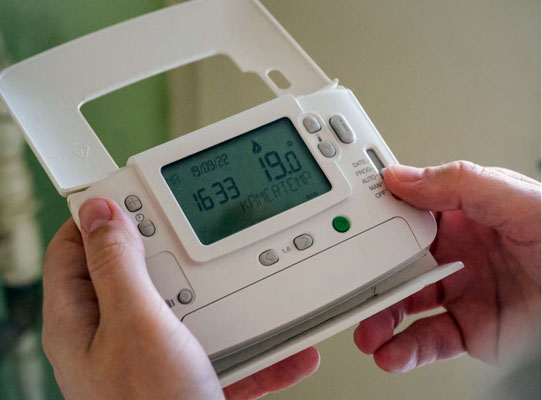
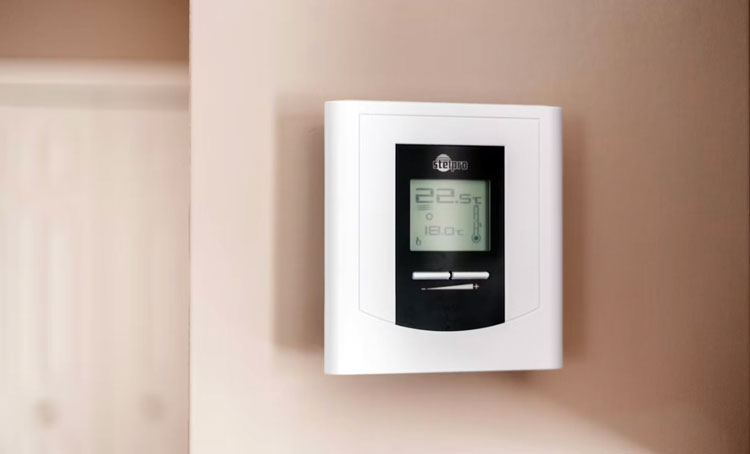
- Advanced thermostat compatibility: Smart controls improve overall performance and help maintain stable indoor conditions.
- Strong filtration capability: Better airflow and cleaner air pathways keep components running smoothly.
- Longevity in core components: Heat exchangers, compressors, or blower assemblies with strong durability lower long-term replacement costs.
The Financial Advantages Of Newer Technologies
Modern heating systems arrive with advanced features that reshape long-term financial outcomes. Heat pumps, variable-speed blowers, and modulating gas furnaces operate in cycles that adjust their output to the room’s precise needs. This prevents constant full-power operation, which once dominated older equipment designs. When a system adapts to the situation, it saves energy during mild weather without sacrificing comfort.
These technologies also rely on smoother operational cycles, leading to fewer heavy surges of electricity or fuel. The steady rhythm protects mechanical parts and lengthens their life span. Owners who invest in this newer equipment notice lower repair frequency, quieter operation, and improved air movement throughout the building.
Long-Term Budget Planning Linked To Heating Choices
An effective heating system supports long-term financial planning by delivering predictable monthly energy patterns. When the equipment runs at a stable efficiency level, property owners can anticipate expenses with greater clarity. This shifts heating from an unpredictable seasonal burden toward a controlled line item within the broader household or business budget.
Predictable performance supports scheduling for routine inspections. When a system demonstrates consistent efficiency, owners can plan maintenance ahead of time rather than reacting to sudden breakdowns. This approach spreads costs across the year rather than concentrating them during peak cold months.
A future-focused view of heating also helps owners decide when to upgrade peripheral components such as insulation, window seals, or ductwork improvements. A heating system that operates cleanly reveals weak points in surrounding infrastructure, guiding owners toward upgrades that complement the system’s performance. Each improvement made around the core heating unit raises overall efficiency, producing long-term financial relief that compounds across successive winters.
Selecting the right heating system shapes the financial future of a property. A well-matched setup cuts energy waste, enhances indoor comfort, steadies maintenance patterns, and strengthens the resale outlook of the building. The result is a stable, cost-conscious path that stretches far into the future, guided by technology, smart planning, and a clear understanding of how the right heating system becomes a lasting investment rather than a seasonal challenge.