
A new storefront opens near a grocery anchor, and the parking lot fills at lunch. You see window decals about hours, IDs, and product limits. The talk in town shifts from stigma to price, safety, and what is actually legal.
Local readers also compare notes with friends in other places, including Canada, where online menus are common. Browsing category pages like Cheap Cannabis can show how people group products by form and strength. That comparison helps you spot why some trends travel, and why others do not.
Start With What The Law Allows And Tracks
Before you judge any trend, separate legal access from social buzz in your area. Adult use may be legal for adults where you live, yet rules still shape daily choices. Purchase limits, public use rules, and workplace policies influence what people buy and where.
The cleanest way to confirm basics is to read official guidance, not social posts. Public health agencies post program information, rules, and consumer safety material in one place. Check the agency site when you see claims about limits, packaging, or testing.
Local enforcement still matters, even where legal sales exist. Driving impairment rules remain strict, and public consumption can trigger citations. If you travel between jurisdictions, expect different attitudes and sometimes different enforcement priorities.
A practical habit is to track three local signals over time. These clues show what is changing, without guessing about motives. They also help you avoid rumor-based decisions.
Store hours and new license postings near you, which often signal demand changes.
Price boards and weekly deals, which show oversupply or tight inventory.
Product mix on shelves, which shows what sells and what sits.
Watch How Product Forms Are Shifting
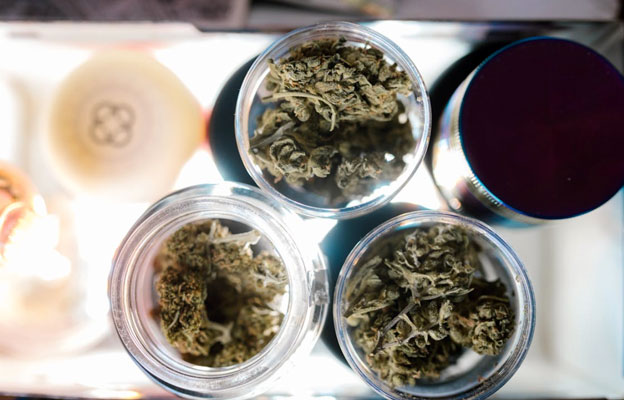
Flower still anchors many purchases, yet form choices keep changing. Some buyers want less odor and faster setup, which pushes demand toward vapes. Others want longer effects, so edibles stay popular, especially for evenings.
Strength labeling has also become a bigger part of normal shopping. People compare THC milligrams on edibles and percentages on flower. That focus can hide other factors, like terpene profile, freshness, and how a product was stored.
Concentrates draw attention because they can be strong in a small dose. They also raise more questions about tools, safe handling, and tolerance. If you hear a new concentrate trend, ask how people actually use it, not just why it sounds new.
Topicals sit in a different lane, and many buyers treat them like wellness items. They can be appealing for people who do not want intoxicating effects. Still, claims vary, so buyers often rely on personal trial and careful expectations.
Price Talk Often Reflects Supply, Not Quality
When neighbors say prices dropped, it usually points to supply shifts and competition. New shops, new brands, and harvest cycles can all change shelf pricing. It does not automatically mean products got better or worse.
Taxes and fees also shape what you see on the receipt. Buyers often compare pre-tax prices, then feel surprised at checkout. A fair comparison uses the out-the-door total, not just the sticker.

Marketing language can blur the real question, which is value per use. A cheaper edible with inconsistent dosing can cost more over time. A slightly higher-priced product with clear dosing can reduce waste and regret.
If you want a simple method, compare products using the same unit. For flower, that might be price per gram with harvest date noted. For edibles, it is cost per milligram, plus how many servings you actually take.
Potency Trends Bring Safety Questions Back To The Front
Higher potency products keep showing up, and that changes how people talk about first-time use. Many negative experiences come from taking too much, too fast. New users often assume one serving equals one package, which can be wrong.
Health guidance does not replace medical advice, yet it can help with basic risk awareness. The CDC summarizes health considerations, impairment issues, and why youth exposure is a concern.
In daily life, safety looks plain and repeatable. It is storage, dosing, and timing around driving or work. If you have teens, guests, or pets at home, the basics matter even more.
Here are a few habits that reduce preventable problems without drama.
Store products in a locked place, not a kitchen drawer or open shelf.
Start low with edibles, and wait long enough before taking more.
Avoid mixing with alcohol when you do not know your response yet.
Plan transportation ahead if impairment is possible that day.
Social Norms And Local Culture Shape What “Trend” Means
In smaller towns, a trend can be one new shop and a few regular buyers. In larger metros, it can mean dozens of brands competing for attention. Your local context decides whether a change is real or just loud.
Workplace rules are another quiet driver. Some employers still test, even where adult use is legal. That reality pushes some people toward abstinence, and others toward products they believe clear faster.
Tourism can also shape demand during peak seasons and major events. Visitors bring expectations from other regions, and that can change what stores promote. It can also raise more questions about public use, hotels, and driving.
If you hear friends compare one region with another, treat it as context, not a blueprint. Laws, product limits, and packaging standards vary. Those differences affect pricing, product availability, and what people think is normal.
The best way to read local cannabis trends is to stick to what you can verify. Watch product forms, track prices with consistent units, and keep safety rules simple. When something sounds new, ask what changed on the ground and how it affects real choices.
Reading Local Trends With A Clear Head
Local cannabis trends make more sense when you slow the view down. Watch what stores stock, how prices move, and which rules still guide daily use. Compare claims with official guidance, not chatter, and treat potency with care. When you read trends through real habits instead of noise, your choices stay grounded and easier to manage.