
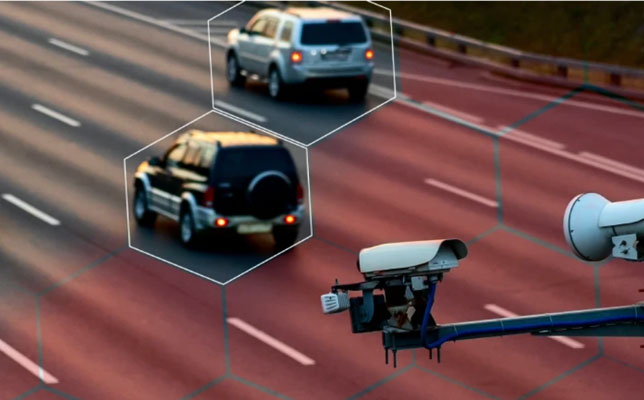
Arizona’s highways are equipped with several DOT cameras that have been affixed to the front of trucks. As a frequent driver on I-10, US-60, or SR-77, I have encountered several of these vehicles.
However, a limited understanding of the functionalities of these cameras and their implications on the highways is evident from the general driving public and truck drivers alike.
What Are DOT Cameras?
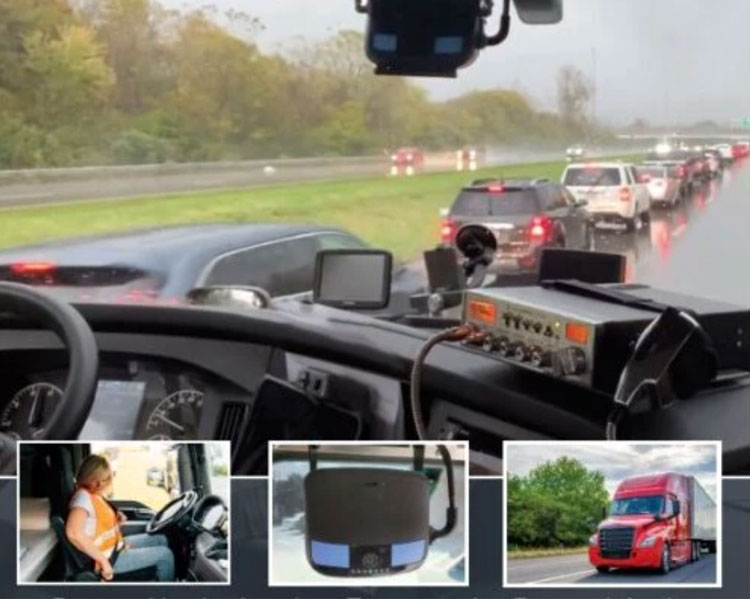
“DOT cameras” is a general term for safety, compliance, and accountability cameras that are mounted on the front windshields of trucks. Although it is not a requirement of the law for all trucks to have these cameras, many trucking companies are opting to invest in these technologies for safety and accountability purposes.

There are two primary types of cameras utilized in this space:
- Roadway and traffic monitoring cameras, including forward and aft views of the truck, and
- Driver monitoring cameras.
These cameras are equipped with telematics and video technologies that have become very advanced.
New 2026 Context: What’s Changed?
Federal agencies such as the Federal Motor Carrier Safety Administration and the U.S. Department of Transportation have started looking at the integration of new technology, such as the Arizona DOT cameras, and existing rules regarding safety in commercial vehicles. Additionally, the use of these systems has been evaluated by industry advocates, insurers, and drivers.
Though some camera systems are not mandatory, new regulations, exemptions, clarifications, and updates to programs continue to shape and define how fleets are adopting the technology.
This year, there are several trends in regulations that are noteworthy:
– Advanced camera-based technologies are allowed to replace external mirrors through 2028: The Federal Motor Carrier Safety Administration has extended the exemptions for some advanced camera monitor systems (including Stoneridge’s MirrorEye) to replace external mirrors.
– No cameras, no training: The FMCSA has listened to the concerns of drivers and fleets regarding privacy and participation, and removed the requirement for program participants to have inward-facing cameras.
– Camera design and technology continue to improve: Truck safety tech continues to evolve as manufacturers and regulators actively establish new criteria for exemptions for high-definition camera systems.
This is important as it demonstrates what is possible when the industry, technology, and safety focus evolve.
Why Trucking Companies Use Them
Most trucking companies place camera systems in their vehicles because they promote safety and can lower liability costs.
Many companies do this because they want to:
1. Manage risks for safety programs offered by FMCSA and manage safety risks.
2. Support their insurance programs that reward customers for implementing safety technology.
3. Protect the driver and the company by documenting what happened in an accident.
Arizona has a lot of freight and passenger vehicle traffic. The documented footage can show what really happened in an accident.
What This Means for Everyday Arizona Drivers
If you are driving by or near a semi truck with a forward-facing camera, you may be recorded. These cameras focus on the road and capture all of the moments leading up to the accident, but do not record every second of the drive.
In a collision, the camera can show whoever is at fault, which can eliminate the risk of witness accounts going against each other and also serves the purpose of being an insurance policy for both the truck driver and the car driver involved in the accident.
The safety of other road users is also affected in a good way because drivers being recorded always drive more carefully.
What This Means for Truckers
For professional drivers, there are advantages and disadvantages to having a camera system installed.
- Advantage: An externally mounted camera could help out the driver in the event of a collision by showing that the driver is not at fault due to a car changing lanes in front of them or stopping suddenly.
- Disadvantage: An inward-facing camera may come off as intrusive. Many fleets employ inward-facing cameras and use the footage to influence ‘safety’ scores, so the FMCSA’s decision to drop the inward-facing camera requirements for apprenticeship programs does not change most fleets’ policies.
Most fleets employ inward-facing cameras and use the footage to influence ‘safety’ scores, so the FMCSA’s decision to drop the inward-facing camera requirements for apprenticeship programs does not change most fleets’ policies.
Drivers need to know what their company policies are about data access, data retention, and the use of footage for evaluations and discipline.
Are DOT Cameras Required in Arizona?
No, there is no law at the federal or state level that says a commercial vehicle must have video cameras. Most interstate commercial drivers must use ELDs (Electronic Logging Devices). Cameras are an individual fleet decision.
Industry trends suggest that cameras are being adopted more and more, and some new technologies are bolting cameras to trucks in place of mirrors inside the current FMCSA exemptions.
A Shared Responsibility on Arizona Roads
It does not matter if it is light or heavy duty, pick-up, rig, or sedan – safety is a concern for everyone involved. The main purpose of camera technology is to increase accountability and decrease preventable collisions.
As an Arizona, there is a main point to remember. The cameras placed on commercial vehicles are there to assist with safety and compliance. They are also a part of a rapidly evolving safety ecosystem that will continue to change through 2026.
There is no camera that will ever replace the need for courtesy or good driving behavior, but the increased use of video technology is expected to increase the safety of everyone using our roadways.