
Duck hunting is a tradition that brings people together in the great outdoors. It requires patience and a good eye for detail. Success often comes down to how well you prepare before the sun rises. Many hunters find peace in the quiet moments before the first birds appear.
Getting started means learning about different species and their habits. You need the right gear and a solid plan to have a good day on the water. This guide will help you understand the basics of a successful trip. It is about more than just the harvest – it is about the experience in nature.
Understanding Waterfowl Migration Patterns
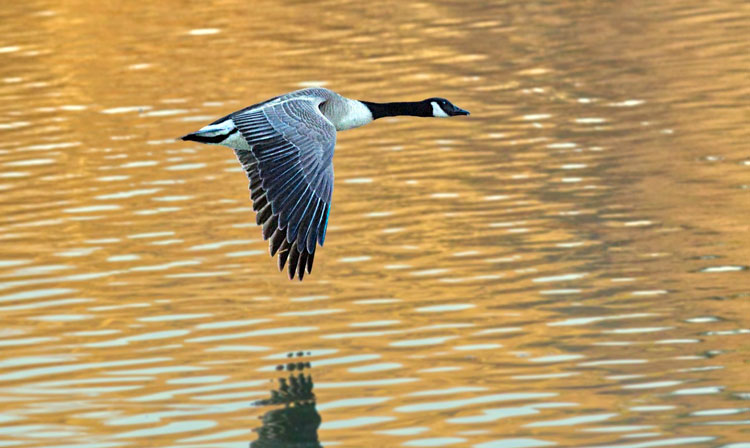
Migration timing changes every year based on the weather and food availability. Birds move south when the water starts to freeze over in northern regions. Tracking these movements is the best way to time your outings. You should watch local weather reports to see when a cold front might push new birds into your area.
Warmer fall temperatures sometimes delay these movements for several weeks. This can lead to a slower start to the season in many southern states. A recent report estimated hunters shot 14.34 million ducks in the United States during the 2024-2025 season.

Scouting is a major part of staying ahead of the birds. You must find where they are feeding and where they like to rest during the day. Look for feathers and tracks along the shoreline to confirm recent activity.
Selecting The Right Shotgun And Ammunition
Your choice of firearm is one of the most personal decisions in the sport. Most hunters prefer a 12-gauge shotgun for its power and versatility. It can handle various shell sizes and shot types for different distances. A reliable semi-auto or pump-action model will serve you well in muddy conditions.
Choosing the right shells is just as important as the gun itself. Lead shot is illegal for waterfowl, so you must use non-toxic options like steel or bismuth. Higher-quality loads offer better patterns and more knockdown power at long ranges.
Safety should always stay at the front of your mind when handling firearms. Keep your muzzle pointed in a safe direction at all times in the blind. Only load your gun when you are settled and ready for the birds to arrive.
Master Your Decoy Spreads
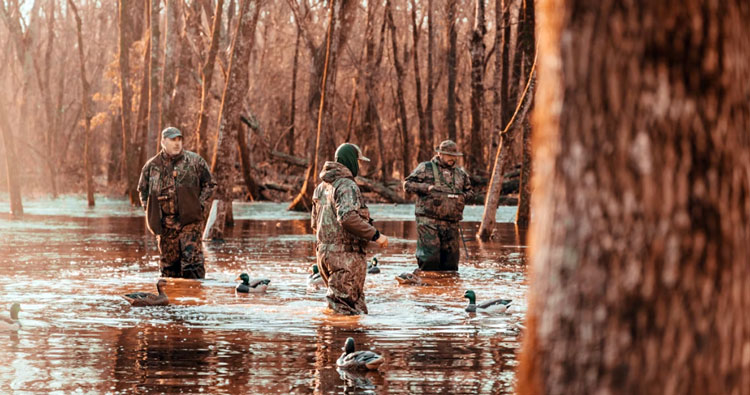
A good decoy spread is meant to look like a safe place for ducks to land. You should mix different species to match what is currently in your local area. Put your decoys in a way that leaves an open “landing zone” for incoming birds.
Data is helpful when you want to return to a successful spot later in the season. Using Duckr helps you map out these hunting spots with precision. It allows you to mark where you place your gear and track the wind direction easily.
Movement can make a huge difference in how birds react to your spread. Using a jerk cord or a motorized spinning-wing decoy adds realism to the scene. The ripples on the water tell the ducks above that the decoys are actually alive. On calm days, this extra motion is often the only thing that brings birds in close.
Calling Techniques For Beginners
Learning to use a duck call takes a lot of practice and breath control. You do not need to be a champion caller to find success in the field. A simple mallard hen quack is often enough to grab the attention of a passing flock. Focus on the rhythm and tone rather than trying to be too loud.
Listen to real ducks on a pond to hear how they communicate with each other. They often use soft feeding chuckles when they are relaxed and eating. Try to mimic these sounds when birds are already heading toward your decoys. If they seem hesitant, a few greeting calls might give them the confidence to land.
Avoid calling too much when the birds are looking directly at your blind. They have incredible eyesight and will spot any movement you make. It is better to call when they are turning away or at a distance. Let the decoys do the work once the ducks have committed to their final approach.
Concealment And Blind Setup
Staying hidden is the hardest part of hunting wary waterfowl. Ducks have sharp eyes that can spot a shiny face or a sudden movement from high above. You must blend into the natural surroundings using local brush and grass. Use camouflage that matches the specific colors of the marsh or field you are in.
Many hunters use a layout blind to stay low to the ground in open areas. These blinds are easy to cover with corn stalks or tall weeds to disappear completely. Make sure your shadows are hidden, and there is no glare coming off your gear.
Keep your head down and avoid looking straight up at the birds as they circle. Use the bill of your cap to shade your eyes and hide your face. Only move when it is time to take the shot to keep the element of surprise.

Managing Daily Bag Limits
Every state has specific rules about how many birds you can take each day. These limits are based on population surveys to keep the species healthy. You must be able to identify birds on the wing to avoid shooting the wrong ones. Taking the time to learn wing patterns and colors is a sign of a responsible hunter.
Species like mallards often have different limits for males and females. For example, a state agency mentioned that Missouri daily limits for mallards are set at 4, with no more than 2 females allowed during the 2025-2026 season. These rules help protect the hens so they can raise more ducklings next spring. Always check the latest regulations before you head out to the water.
Keep a record of your harvest to help with conservation efforts. Reporting your bands or participating in surveys provides valuable data to biologists. This information ensures that seasons remain open for years to come. Being a law-abiding hunter is a core part of the hunting ethics we share.
Finding The Best Hunting Spots
Public lands offer many opportunities for those willing to do some hiking. You can find maps of wildlife management areas through your state’s conservation website. Look for spots that are tucked away from the main boat ramps or parking lots. Sometimes a long walk leads to the most productive honey holes.
Private land can be a great option if you get permission from the owner. Building a good relationship with farmers can give you access to prime feeding fields. Always respect the property by picking up your empty shells and closing any gates. A little bit of kindness goes a long way in securing a place to hunt.
Water depth is a major factor in where ducks choose to spend their time. Puddle ducks like mallards prefer shallow water where they can reach the bottom to feed. Divers tend to stay in deeper lakes or large rivers where they can find small fish and plants. Knowing which birds you are after will tell you where to look.
Gear For Every Trip
A pair of high-quality waders is the most important piece of clothing you will own. They keep you dry and warm while you are standing in cold water for hours. Look for models with plenty of insulation if you plan to hunt during the winter months. Proper boots will prevent you from slipping on muddy banks or underwater logs.
You should carry a basic survival kit and a first-aid bag in your pack. Things can go wrong quickly in the marsh, especially in freezing temperatures. A flashlight, extra batteries, and a multi-tool are items you will use on almost every trip. Carrying a dry bag for your cell phone is a smart move.
A sturdy dog stand is a great addition if you hunt with a four-legged partner. It keeps your retriever out of the cold water while they wait for a bird to fall. Make sure your dog is wearing a camouflage vest for extra warmth and protection.
Cleaning And Cooking Your Harvest
The work does not end once you return to the truck at the end of the day. You must clean your birds quickly to preserve the quality of the meat. Many hunters choose to breast out the ducks for a quick and easy meal. Others prefer to pluck the whole bird to keep the skin on for roasting.
Duck meat has a rich flavor that is different from chicken or turkey. It is a dark meat that tastes best when cooked to medium-rare or medium. Overcooking can lead to a gamey taste that some people find unappealing. Try marinating the meat or wrapping it in bacon to add moisture during the cooking process.
Sharing a meal of wild game is a great way to celebrate a successful hunt with friends. It connects you to the food chain in a way that grocery store meat cannot. Using every part of the bird shows respect for the animal and the sport.
Hunting is a rewarding challenge that tests your skills and your patience. It requires you to be a student of nature and a guardian of the land. Each trip to the blind offers a chance to learn something new about the birds. You will find that the memories made with friends are often better than the memories you take home.
Take the time to introduce someone new to the sport whenever you get the chance. Passing on these traditions ensures that waterfowl hunting will thrive for another generation. Focus on the beauty of the sunrise and the sound of wings over the decoys. Those are the moments that stay with a hunter long after the season ends.