Mexico’s housing market can feel straightforward at first. Then the listings start to vary in ways that are harder to compare. A colonial home in a walkable city center asks something very different from a beachfront condo, a gated community villa, or a countryside house outside a growing town. Buyers often begin with price and location, then realize the bigger question is how the property type itself will shape daily life, maintenance, privacy, and long-term value.
That becomes especially clear when people start browsing San Miguel de Allende houses for sale and notice how different one home can feel from the next, even within the same city. One may be a restored colonial with a courtyard and roof terrace. Another may sit inside a newer gated development with easier parking and modern systems. The smartest buyers learn to compare property types before they compare finishes, because the category often tells you more about the ownership experience than the listing photos do.
Colonial Homes in Historic Areas
Colonial homes are among the most recognizable residential properties in Mexico, especially in heritage cities and older urban districts. These houses often feature thick walls, interior courtyards, stone or tile floors, wood beams, ironwork, and a layout built around privacy and airflow rather than open-plan living. For many buyers, they represent the most romantic version of homeownership in Mexico.
They can be deeply appealing, but they come with a specific kind of ownership. Older homes may need ongoing maintenance, specialized restoration work, or updates to plumbing, electrical systems, and drainage. Even beautifully restored properties usually ask for a different mindset than a newer house in a master-planned community. Buyers who love character often accept that trade willingly. Buyers who want easy, low-effort ownership may not.
These homes suit people who care about architecture, walkability, and a strong sense of place. They tend to work best when the buyer wants the surrounding neighborhood as much as the house itself. In many cases, the address, street life, and historical setting are part of the value, not background details.

Condominiums and Apartments
Condominiums and apartments are often the most practical entry point for buyers who want lower maintenance and more predictable management. In urban and resort markets, condos can offer strong convenience. Shared amenities, building security, easier lock-and-leave ownership, and less individual maintenance make them especially attractive to second-home buyers, retirees, and part-time residents.
They also vary more than people expect. A downtown apartment in Mexico City serves a very different purpose from a beachfront condo in Puerto Vallarta or a newer low-rise unit in Mérida. Some buyers choose condos for lifestyle efficiency. Others choose them because they want to avoid the maintenance burden of a standalone home while still owning in a strong location.
The tradeoff is reduced control. Homeowners’ association rules, shared walls, monthly fees, and limits on remodeling or short-term rentals can all affect the ownership experience. A condo may feel easier day to day, but buyers need to understand what they are giving up in privacy and flexibility before they assume it is the simpler choice in every sense.
Gated Community Homes and Planned Developments
Gated communities, private residential compounds, and master-planned neighborhoods have become increasingly common in many parts of Mexico. These properties often appeal to buyers who want security, newer construction, more predictable infrastructure, and community amenities such as pools, clubhouses, green spaces, or golf access. They can feel especially attractive to international buyers who want a smoother transition into local homeownership.
The homes themselves range widely. Some are compact modern residences built for practical everyday living. Others are large villas in luxury enclaves designed around lifestyle, privacy, and managed surroundings. What they have in common is a more controlled environment than older urban neighborhoods usually offer. That can be a major advantage for buyers who value order, parking, and lower-friction property use.
Still, this property type changes the feel of ownership. A gated home may offer comfort and ease, but it can also feel less organic and less connected to the surrounding city. For some people, that is exactly the point. For others, it creates too much distance from the local rhythm that drew them to Mexico in the first place.
Beachfront and Coastal Homes
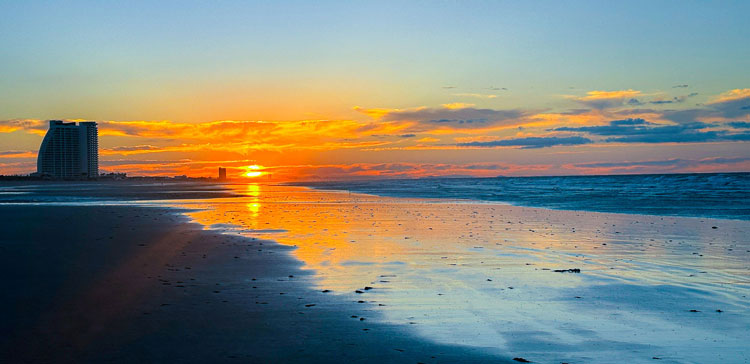
Coastal homes are among the most desired residential categories in Mexico, and also among the easiest to misjudge. Beachfront villas, ocean-view homes, and seaside residences offer obvious lifestyle appeal. Buyers are drawn to terraces, outdoor living, water views, and the emotional value of owning near the coast. In the right location, these homes can also hold strong second-home and rental appeal.
The reality of ownership, though, is more demanding than the photos suggest. Salt air, humidity, storms, corrosion, and higher maintenance needs all affect the long-term cost of ownership. A coastal property often asks for more frequent care than an inland home, even when it looks newly built and well finished. Buyers who do not factor that in can end up surprised by how quickly the environment affects materials and systems.
These homes make the most sense for people who actively want the coastal lifestyle and are prepared for the upkeep that comes with it. They are strongest when the buyer sees the sea as part of daily life, not just as a beautiful backdrop during the purchase process.
Country Homes, Ranch Properties, and Semi-Rural Houses
Outside major cities and resort zones, Mexico also offers a wide range of countryside homes, ranch-style properties, and semi-rural residences on larger parcels of land. These properties often appeal to buyers who want space, privacy, gardens, orchards, equestrian use, or a quieter pace of life. In some areas, they can also provide more square footage and land for the money than urban or resort markets.
This category can be highly rewarding, but it is not simple by default. Access roads, water systems, utility reliability, staffing needs, septic systems, and distance from services all become more important. A semi-rural house may feel peaceful and generous in scale, yet demand more planning around transportation, maintenance, and day-to-day logistics than a buyer first expects.
Country properties tend to suit people who want a more self-directed style of ownership. They work best for buyers who value land and privacy enough to accept a little less convenience. For the right person, that trade can feel well worth it. For the wrong person, it becomes tiring very quickly.