

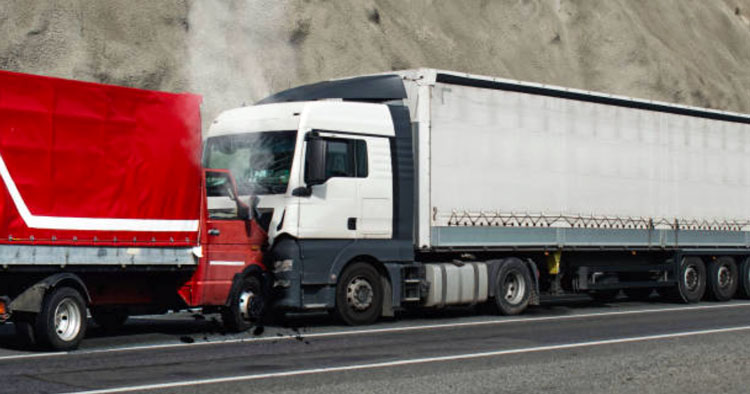
Truck accidents often cause severe injuries because large commercial vehicles generate a strong impact during a collision. Victims commonly suffer injuries such as traumatic brain injuries, spinal damage, fractures, internal injuries, and soft tissue damage.
Crashes involving heavy vehicles, including situations like an oversized load truck accident, can increase the risk of serious harm due to the size and weight of the cargo being transported. These accidents often involve greater force and complex roadway conditions.
Understanding the injuries most commonly caused by truck accidents can help victims recognize the medical challenges that may follow these collisions.
Why Truck Accidents Often Cause Severe Injuries
Commercial trucks weigh significantly more than passenger vehicles. When a crash happens, the impact force can be much stronger than a typical car collision.

Truck accidents may involve sudden stops, rollovers, or high-speed impacts. These conditions increase the risk of serious injuries for those involved.
Long recovery periods and extensive medical treatment are common after these types of crashes.
1. Traumatic Brain Injuries
Head injuries are among the most serious outcomes of truck accidents. A traumatic brain injury may occur when the head strikes a hard surface during a collision.
Symptoms can include headaches, memory problems, confusion, or difficulty concentrating. In severe cases, victims may experience long-term cognitive or neurological challenges.
Medical evaluation is important because brain injuries are not always immediately visible after a crash.

2. Spinal Cord Injuries
The force of a truck collision can damage the spine. These injuries may affect mobility and sensation throughout the body.
Spinal injuries range from herniated discs to severe spinal cord damage. Some victims experience partial or permanent paralysis depending on the location and severity of the injury.
Treatment often includes surgery, physical therapy, and extended rehabilitation.
3. Broken Bones and Fractures
Broken bones are common in high-impact accidents. The arms, legs, ribs, and collarbone are frequently affected.
Fractures can occur when the body absorbs the force of the crash or when occupants are struck by objects inside the vehicle. Some fractures require surgical treatment and an extended healing time.
In more serious cases, multiple fractures may occur in a single accident.
Minor Fractures vs. Severe Fractures
Not all bone injuries are the same. Some fractures may heal with limited treatment and rest.
More severe fractures may require surgery, metal plates, or long-term physical therapy. Recovery may take several months, depending on the injury.

Understanding the severity of a fracture helps doctors determine the proper treatment plan.
4. Internal Injuries
Internal injuries can be especially dangerous because they are not always immediately noticeable. Damage to organs such as the liver, lungs, or kidneys may occur during a crash.
Symptoms may include abdominal pain, dizziness, or difficulty breathing. Internal bleeding may develop slowly and become life-threatening if untreated.
Doctors often rely on imaging tests to detect internal injuries after an accident.
5. Soft Tissue Injuries
Soft tissue injuries affect muscles, ligaments, and tendons. These injuries often occur when the body is suddenly jolted during a crash.
Common examples include whiplash, muscle strains, and ligament damage. Pain and stiffness may appear hours or even days after the accident.
While these injuries may seem less severe, they can still require medical care and physical therapy.
Long-Term Impact of Truck Accident Injuries
Some injuries from truck accidents can affect victims for months or even years. Recovery may involve ongoing medical appointments, rehabilitation, and lifestyle adjustments.
Long-term medical care can create financial stress for many families. Treatment costs, lost wages, and daily living expenses may increase during recovery.
Understanding the possible long-term effects helps victims prepare for the challenges that may follow a serious crash.
Steps to Take After a Truck Accident Injury
Taking prompt action after a truck accident can help protect both health and legal rights. Proper documentation and medical care are important during recovery.
- Seek medical care immediately. Early treatment helps identify injuries and prevent complications.
- Report the accident to the authorities. A police report documents the details of the crash.
- Document injuries and vehicle damage. Photos and notes can help preserve important evidence.
- Keep medical records and expenses. These records track treatment and financial impact.
- Monitor symptoms carefully. Some injuries appear later and may require additional care.
These steps help individuals manage the medical and practical challenges after a truck accident.
Key Takeaways
- Truck accidents often cause severe injuries because of the size and weight of commercial vehicles.
- Traumatic brain injuries may affect memory, concentration, and neurological function.
- Spinal cord injuries can impact mobility and require long-term treatment.
- Broken bones and fractures are common in high-impact collisions.
- Internal injuries may not appear immediately, but can be life-threatening.
- Soft tissue injuries such as whiplash can cause ongoing pain and stiffness.
- Prompt medical care and documentation are important after any truck accident.