


In many small communities, social life is being reshaped in subtle but meaningful ways. Rather than centring gatherings solely around routine habits or familiar venues, people are paying closer attention to how shared moments actually feel. The focus is moving away from spectacle and toward intention, quieter get-togethers, more relaxed conversations, and environments that encourage presence rather than performance. This shift is reflected not only in where people spend time together, but also in the everyday choices that shape those moments. Brands like Five, which offers hemp-derived THC beverages designed for casual, social settings, fit into this broader movement toward experiences that feel deliberate without being overly planned.
What is changing is not the desire to connect, but the way connection is expressed. In smaller towns, especially, social life has always relied on familiarity. The difference now is that people are re-evaluating the rituals that surround those interactions, placing more value on comfort, moderation, and shared experience than on traditional markers of a “night out.”
From Routine Socialising to Intentional Experiences
For decades, social life in small communities followed predictable patterns. People met at the same bars, attended the same recurring events, and relied heavily on established routines. While those structures provided consistency, they could also become limiting, particularly for residents seeking variety without leaving town.
In recent years, there has been a noticeable shift toward more intentional socialising. Instead of asking where to go, people are increasingly asking how they want to spend time together. Backyard gatherings, informal dinners, low-key celebrations, and small group meet-ups have gained renewed importance. These settings prioritise conversation, atmosphere, and comfort over volume or scale.
This change reflects a broader cultural move away from high-energy, consumption-driven social habits and toward experiences that feel more personal and sustainable.
Rethinking Alcohol-Centred Social Norms
One of the most significant undercurrents in this shift is a reconsideration of alcohol’s role in social life. In many small towns, drinking has long been a default social lubricant. While it remains part of community culture, it is no longer the unquestioned centrepiece it once was.
More people are exploring alternatives that allow them to participate socially without committing to heavy drinking. This does not necessarily signal abstinence, but rather moderation and flexibility. Social gatherings are becoming more inclusive of different preferences, energy levels, and comfort zones.
The rise of alcohol alternatives, including low-alcohol options and hemp-derived THC beverages, reflects this evolution. These products often appeal to people who want to unwind socially while maintaining clarity and control, a balance that aligns with experience-driven socialising rather than escapism.
Presence Over Performance in Small-Town Social Life
Unlike large cities, small communities often lack constant novelty. This can be a limitation, but it can also be a strength. When options are fewer, the quality of interaction becomes more important than the quantity of activities.
Experience-driven social life emphasises presence. People linger longer in conversations, pay more attention to their surroundings, and value shared moments over curated impressions. Socialising becomes less about being seen and more about being engaged.
This shift has been accelerated by broader cultural fatigue with digital overexposure. After years of highly mediated interaction, many people are gravitating back toward tangible, in-person experiences that feel grounded and real, especially in places where community ties already exist.
The Role of Wellness and Balance
Another factor shaping modern social habits is increased awareness around wellbeing. Conversations about mental health, stress, and balance are no longer confined to urban wellness spaces. They are increasingly part of everyday life in smaller towns as well.
This awareness influences how people approach socialising. Late nights and excess are giving way to earlier gatherings, quieter environments, and activities that do not leave participants depleted the next day. The goal is no longer to recover from social life, but to integrate it smoothly into daily routines.
Public health research supports this trend. Organisations such as the Centers for Disease Control and Prevention have highlighted the long-term benefits of moderation and balanced lifestyle choices, reinforcing the idea that social connection does not need to be tied to overconsumption to be meaningful.
Familiar Spaces, New Energy
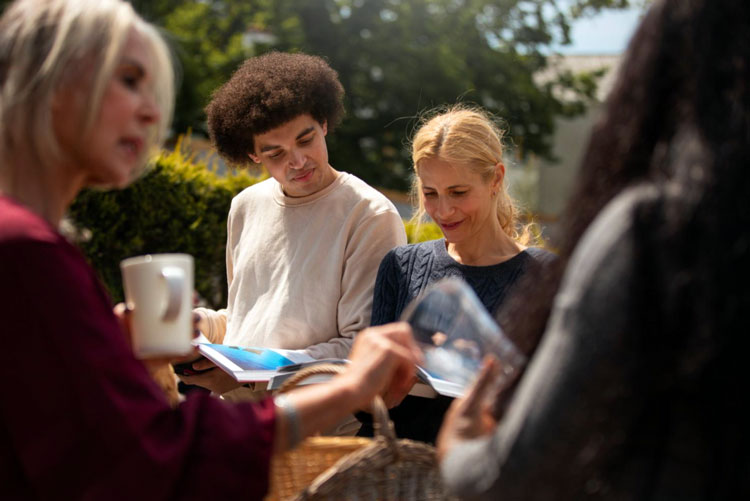
What makes this shift particularly interesting in small communities is that it often unfolds within familiar spaces. Homes, local parks, community halls, and neighbourhood gatherings remain central. What changes is the atmosphere.
Music, food, timing, and shared rituals are adjusted to suit a more intentional pace. People curate experiences on a smaller scale, focusing on comfort and connection rather than novelty. These gatherings may look quieter from the outside, but they often feel richer to those involved.
In this sense, experience-driven social life is not about introducing entirely new venues or trends, but about reimagining how existing spaces are used.
Inclusion and Changing Social Expectations
As social norms evolve, inclusion becomes easier. Experience-focused gatherings tend to accommodate a wider range of ages, preferences, and lifestyles. People who previously felt out of place in traditional nightlife settings often find these newer formats more welcoming.
This inclusivity strengthens community bonds. When social life is not narrowly defined, more residents feel comfortable participating, contributing to a sense of shared ownership over local culture.
In smaller towns, where social circles often overlap, this adaptability helps communities remain cohesive rather than fragmented along generational or lifestyle lines.
A Quiet but Lasting Transformation
The shift toward experience-driven social life is not dramatic or headline-grabbing. It unfolds gradually, shaped by everyday decisions rather than sweeping trends. Yet its impact is lasting.
By prioritising intention, balance, and presence, small communities are redefining what it means to spend time together. Social life becomes less about following established scripts and more about responding to how people actually want to feel in shared moments.
This transformation does not reject tradition, but it does refine it. Familiar settings remain, relationships endure, and community identity stays intact, enriched by a renewed focus on meaningful experience over routine habit.
In that sense, the quiet shift happening in small communities may be one of the most sustainable changes in modern social life: subtle, adaptive, and rooted in the simple act of being together.