

Homework used to mean stacks of paper and heavy textbooks. Now, most students spend hours staring at laptops or tablets to finish their assignments. This shift changed how kids learn, but it brought new challenges to their physical comfort. Parents often notice their children rubbing their eyes or leaning closer to the glass. Finding ways to manage this screen time helps keep learning productive and comfortable. Making small adjustments to the study routine can make a big difference in how a child feels at the end of the day.
The Modern Homework Routine
Nearly every student now relies on the internet to complete daily tasks. According to recent European statistics, between 93% and 100% of young people in EU countries use the web every single day. This constant connection means eyes rarely get a break from artificial light. High schoolers face even more pressure to stay connected for social and academic reasons.
Findings from a U.S. study reveal that 95% of teens now own or have access to a smartphone. These devices follow them from the classroom to the bedroom. Staring at small text on a phone for hours adds to the total strain on their developing eyes. Finding a balance between tech and rest is more difficult than it was in the past.
Understanding Digital Eye Strain
Staring at a bright display for hours makes the tiny muscles in the eye work much harder. Using protective glasses for children can help reduce the intensity of the light hitting their retinas. These tools provide a simple way to manage the glare coming from tablets or laptops. Most screens emit a specific type of light that can feel harsh after a long study session. Reducing that brightness helps kids stay focused without feeling drained.

Signs Your Child Is Struggling
Eye discomfort often shows up in ways kids might not know how to describe. Data published in a medical archive suggests that the prevalence of digital eye strain among children has reached between 50% and 60%. Some might experience double vision or a slight turn in one eye. This happens since the muscles get tired and struggle to stay aligned.
Physical symptoms can range from mild dryness to significant headaches. An article in a leading medical journal noted that 16.4% of children suffer from computer vision syndrome. These issues are nearly four times more likely in kids using devices for over four hours. Parents should watch for squinting or frequent blinking during homework time.
The Impact on Physical Health
Sitting still in front of a monitor does more than just strain the vision. A report from an ophthalmology publication highlighted that children with over three hours of daily screen time have a higher risk of metabolic disorders and obesity. This link shows how sedentary learning affects the whole body. Taking breaks to move around is just as helpful as resting the eyes.
Sleep and Screen Time
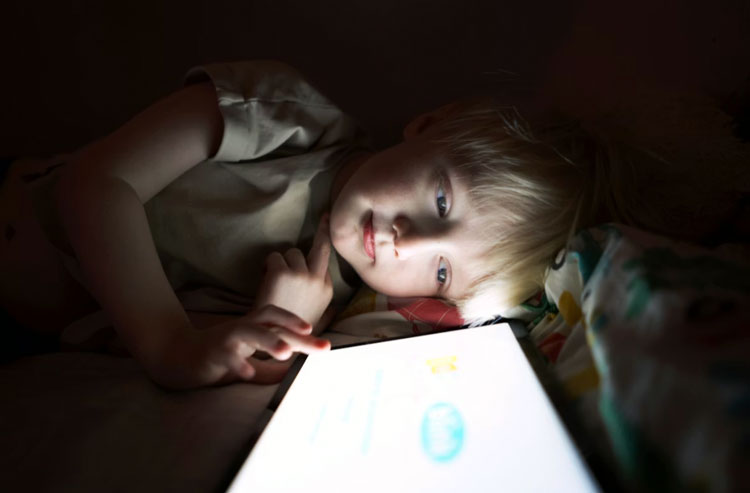
The light from a tablet can trick the brain into thinking it is still daytime. Research from a sports medicine journal indicated a strong relationship between pre-sleep blue light exposure and high scores on sleep disturbance scales. Poor sleep makes it much harder to concentrate on schoolwork the next morning. It creates a cycle where the child is too tired to focus without more screen stimulation.
Ways to improve evening study habits include:
- Turn off screens one hour before bed.
- Use warm, dim lighting in the study area.
- Keep smartphones in a different room at night.
- Encourage reading physical books for pleasure.
- Set a strict “lights out” time for all electronics.
These habits help the brain produce the chemicals it needs for deep rest. A well-rested student is more likely to finish their work quickly.

Practical Tips for the Study Desk
One of the biggest issues with screens is how they change our natural habits. Information from a health clinic explains that people blink about a third less often when they look at a digital device. This lack of blinking leads to dry and itchy eyes during long essays. Reminding kids to blink more can actually keep their eyes feeling fresh.
Simple adjustments for a better desk setup:
- Place the screen about 20 inches away from the face.
- Align the top of the monitor with eye level.
- Use the 20-20-20 rule for frequent breaks.
- Adjust room lighting to match screen brightness.
- Keep the screen surface clean of dust and fingerprints.
Small changes in positioning can prevent a lot of neck and eye pain. It makes the workspace feel more professional and organized.
Long-term Vision Protection
Frequent screen use during childhood might have lasting effects on how the eyes develop. Scientific reviews have pointed toward a strong link between prolonged device use and the development of myopia or dry eye disease. Monitoring these habits early helps prevent more serious issues later in life. Since children are still growing, their eyes are more sensitive to environmental factors.
Providing a balanced environment is a great way to support their natural development. Outdoor play is especially helpful for eye health. Natural sunlight helps the eyes grow correctly and provides a break from close-up work. Balancing indoor study time with outdoor recreation keeps their vision sharp.
Creating a Healthy Digital Balance
It is easy to lose track of time when browsing for research or watching educational videos. Academic data suggests that the average teen now spends over eight and a half hours each day on recreational screen media. This does not even include the time they spend on required school assignments. Total daily exposure can be quite high for most students.
A children’s health organization warns that the brain interprets this constant light as daylight – this shifts the internal body clock. Restoring a natural rhythm requires intentional effort from the whole family. Setting clear boundaries on device use helps everyone feel more refreshed and ready for the day. It allows the mind to wind down after a long day of learning.
Managing digital fatigue is an ongoing process for every modern family. By making small changes to the study environment, parents can protect their children’s comfort and focus. Prioritizing eye health allows students to succeed in their studies without the burden of physical strain. Consistent habits will lead to a more balanced and healthy lifestyle for the whole household. Supporting a child’s vision today helps them maintain a love for learning for years to come.