
Staff Reports
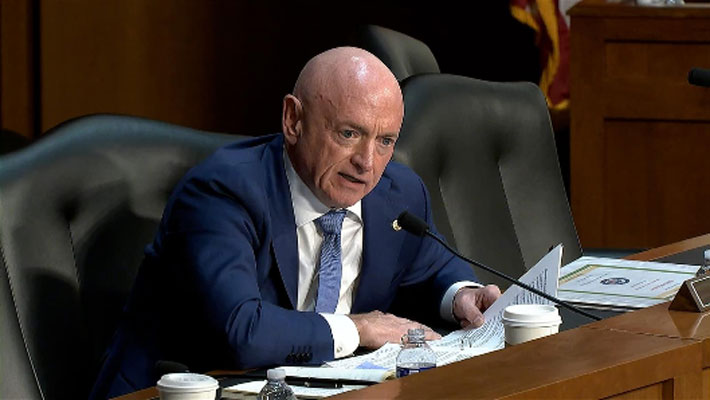
WASHINGTON, D.C. – In a rare show of bipartisan cooperation amid ongoing water challenges in the West, Senators Mark Kelly (D-AZ) and Cynthia Lummis (R-WY) have introduced the Community Water Project Acceleration Act, aimed at slashing bureaucratic delays for small, locally driven water infrastructure projects.
The bill, unveiled Tuesday, targets inefficiencies in the federal review process for U.S. Army Corps of Engineers (USACE) Civil Works projects that receive limited federal funding. By creating a categorical exclusion from certain National Environmental Policy Act (NEPA) requirements, the legislation seeks to accelerate project delivery without compromising environmental protections.

Under the proposed law, projects would qualify for streamlined reviews if the federal contribution is less than $6 million or if federal funding accounts for less than 15% of the total project cost. The measure applies only to work led by non-federal sponsors, such as local communities or districts.
Senator Kelly, who has played a leading role in securing funding for more than 20 small-scale water projects in Arizona through the Water Resources Development Acts of 2022 and 2024, highlighted the frustrations voiced by local sponsors.
“In Arizona and across the West, communities need reliable water infrastructure and shouldn’t have to wait months or even years to put federal funds to use because of unnecessary red tape,” Kelly said. “This is a commonsense fix that makes it easier, not harder, for local projects to move forward faster while protecting the environment.”
Senator Lummis echoed the sentiment, emphasizing the broader impact on rural Western communities.

“Washington’s permitting delays have real consequences for western communities that depend on reliable water infrastructure,” she stated. “There is no reason local water projects should face years of federal review when the funding and local support are already in place… Our legislation cuts through that bureaucracy by applying a model already proven in federal highway projects and is exactly the kind of practical, results-driven legislation western states deserve.”
The bill draws inspiration from existing streamlining measures for federal highway projects, in which similar categorical exclusions have reduced delays for smaller initiatives.
Local leaders in Arizona, where water scarcity and infrastructure needs are acute, quickly voiced support. Buckeye Mayor Eric Orsborn praised the proposal for advancing projects such as equipment replacement at the city’s Central Water Reclamation Facility, noting it would save time and resources.