

Oral health is often treated as a routine obligation rather than a long-term system shaped by daily behavior. Most people understand the basics: brush, floss, rinse, but the challenge lies in consistency rather than knowledge. Small lapses, repeated over time, tend to create larger issues that are much harder to reverse.
What has changed in recent years is not the science behind oral care, but how people approach it. There is a growing shift toward practical, sustainable habits that fit into everyday life without requiring constant effort or complex routines. This change reflects a broader understanding that consistency, not intensity, is what ultimately defines oral health outcomes.
Why Simple Routines Tend to Work Better Over Time
Complex routines often fail not because they are ineffective, but because they are difficult to maintain. When oral care requires multiple steps, specialized timing, or constant adjustments, it becomes easier to skip parts of the process. Over time, this inconsistency reduces the overall effectiveness of the routine.
Simpler routines, on the other hand, are easier to repeat daily. When brushing, rinsing, and basic care become automatic, they are less likely to be skipped. This consistency is what creates long-term results. The goal is not to do more, but to do what works in a way that can be sustained without effort or disruption.

The Link Between Daily Plaque Control and Long-Term Health
Plaque buildup is one of the most common underlying causes of dental issues, yet it develops gradually and often without immediate symptoms. This makes it easy to overlook until it leads to more noticeable problems, such as gum irritation or decay.
Maintaining consistent plaque control is less about occasional deep cleaning and more about preventing accumulation in the first place. In that context, some individuals incorporate options like LivFresh mouthwash for plaque removal into their routine as part of a broader effort to manage buildup more effectively on a daily basis, rather than relying on corrective measures later.
Why Convenience Plays a Bigger Role Than Expected
Convenience is often underestimated in oral care, but it directly influences whether routines are followed consistently. If a process feels time-consuming or complicated, it is more likely to be skipped, especially during busy periods.

This is why accessible tools and straightforward routines tend to perform better over time. When oral care fits naturally into daily habits, morning preparation or evening wind-down, it becomes part of the routine rather than an additional task. This shift reduces friction and increases consistency without requiring additional effort.
How Small Gaps in Routine Create Larger Issues
One of the challenges with oral health is that problems rarely appear immediately. Missing a step once or twice may not seem significant, but repeated gaps can lead to gradual deterioration. This delayed effect makes it harder to connect habits with outcomes.
Over time, these small inconsistencies accumulate. What could have been prevented through simple daily care becomes a more complex issue requiring professional treatment. This is why maintaining even basic routines consistently is more effective than trying to compensate later.
The Role of Preventive Thinking in Oral Care
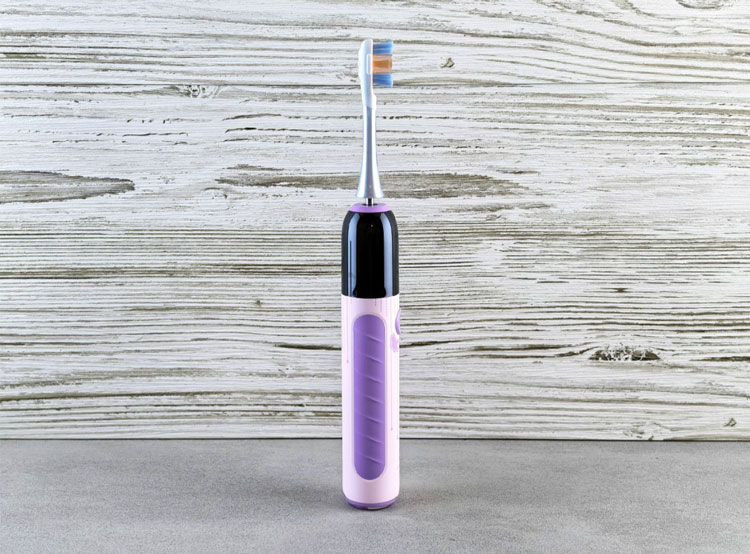
Preventive care is built on the idea that small, consistent actions can reduce the need for larger interventions. In oral health, this means focusing on daily maintenance rather than reactive treatment.
According to the Centers for Disease Control and Prevention, regular oral hygiene practices play a critical role in preventing gum disease and tooth decay. This reinforces the importance of maintaining habits that support long-term health rather than relying on occasional fixes.
Digital Tools Are Changing How People Manage Routine Tasks
Technology is also influencing how people approach everyday routines, including oral care. Simple digital tools now help streamline tasks that were once more time-consuming, making it easier to stay consistent across different areas of daily life.
For example, services like https://5minpassportphotos.com/ show how routine tasks can be simplified through accessible online solutions. While unrelated to oral care directly, this broader shift toward convenience highlights how people increasingly value efficiency in all aspects of their daily routines, including personal health habits.
Why Habit Formation Matters More Than Product Choice
While products play a role in oral care, they are only effective when used consistently. A well-designed routine supported by reliable habits tends to produce better results than constantly switching between different solutions.
This perspective shifts the focus away from finding the “best” product and toward building a routine that can be maintained over time. Once that foundation is in place, products can support the routine rather than define it.
What Research Suggests About Daily Consistency
Health research consistently shows that habits are one of the strongest predictors of long-term outcomes. In oral care, this means that regular, consistent practices are more effective than occasional efforts, regardless of intensity.

The challenge is not understanding what to do, but maintaining those actions over time. This is why simplicity, accessibility, and routine integration are becoming central to how oral care is approached today.
Building a Routine That Supports Long-Term Results
An effective oral care routine does not need to be complex. It needs to be consistent, practical, and aligned with daily life. When habits are easy to follow, they become sustainable, and sustainability is what leads to lasting results.
As more people shift toward this mindset, oral care is becoming less about strict routines and more about manageable systems. This approach not only improves consistency but also makes it easier to maintain good oral health without added pressure or complexity.