



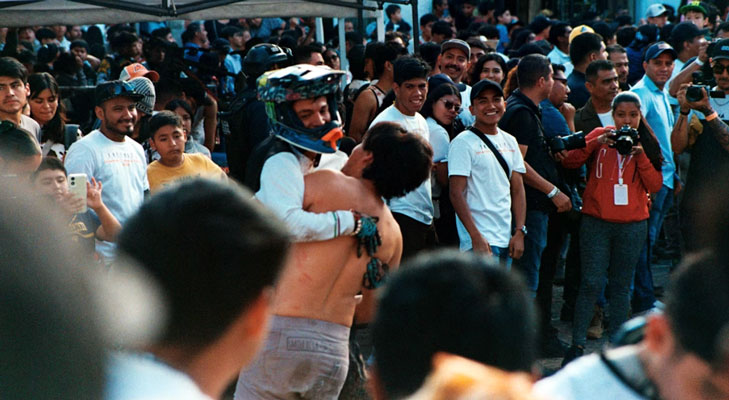
Big events bring energy, connection, and pride to a city. They also bring complex risks that move fast, spread quickly, and demand decisions in seconds.
Innovation is changing how teams prepare, detect, and respond. From smarter cameras to resilient comms, security leaders now have tools that scale with crowds and help people feel safe without slowing them down.
AI-Powered Video Analytics
Modern cameras do more than record. With on-device models, they can detect anomalies, spot unattended items, and flag unusual movement in real time.
Teams can tune alerts to context. A slow buildup at an exit, a wrong-way flow against a queue, or a restricted zone entry triggers a prompt to investigate. False alarms drop when models learn the venue’s normal patterns.

AI helps with after-action reviews. Searchable clips, heatmaps, and timelines make it faster to learn what happened and adjust plans for the next event.
Computer Vision For Crowd Flow
Understanding how people move is the start of safer design. Video analytics convert pixels into counts, dwell times, and path forecasts that show where bottlenecks form.
This visibility helps planners test layouts in advance and then validate them on show day. The insights align with work on emerging technology trends in event safety that highlight proactive detection, and they point to practical fixes like adding barriers or changing sign placement. When doors open, operators watch live density maps instead of guessing.

If a queue grows too long, the system suggests the nearest relief point. Small nudges early prevent pressure waves that can become dangerous.
Real-Time Situational Awareness Platforms
Data only helps when it is shared quickly. Common operating platforms pull camera alerts, radio logs, access control events, and weather feeds into one pane.
Operators get a unified map with a layered context. Click an alert to see camera views, nearby staff, and relevant playbooks. The goal is simple – shorten the distance between signal and action.
These platforms track tasks. When a supervisor assigns a team to clear an exit, the system timestamps it, shows progress, and records completion for audit.
Drone Operations And Airspace Security
Drones extend reach where ground teams cannot. Mounted with zoom and thermal sensors, they support perimeter sweeps, roof checks, and post-incident overwatch.
Airspace control matters too. Geofencing and RF detection help identify unauthorized drones and cue responses that follow local rules. Good policies define roles, no-fly zones, and escalation paths.
Pilots train on standard maneuvers that blend into event workflows. Launch points, battery swaps, and data handoffs are mapped so the aerial picture is steady when crowds surge.
Contactless Screening And Threat Detection
Friction at the entry is a stress point. New screening systems analyze signals while people walk at a normal pace, reducing lines without lowering standards.

These tools are part of a layered defense. Secondary checks, trained staff, and clear signage keep the process respectful and effective. The aim is to preserve dignity while catching what matters.
Feedback loops are key. Entry metrics show where throughput dips and why, so teams can adjust lane design, staff positioning, and signage in minutes.
IoT Sensors And Smart Infrastructure
Cameras are not the only sensors. Edge devices monitor gate counts, vibration on barriers, air quality in enclosed halls, and environmental data like heat and wind.
When thresholds are crossed, alerts route to the right unit. A rise in CO2 in a tented area prompts ventilation checks. A loose barricade ping brings a quick fix before it fails.
Smart lighting ties in as well. Scenes adjust for egress, emergency, or cleanup, guiding crowds with light and reducing confusion in tense moments.
Mobile Credentials And Digital Ticketing Security
Phones are now badges and wallets. Strong mobile credential design reduces counterfeit risk and speeds entry with tap-and-go lanes.
Security teams harden the full path. They use rotating tokens, device binding, and real-time revocation so compromised passes do not work. Privacy screens and short-range reads protect guests in lines.
During incidents, digital credentials help with controlled re-entry. Zones reopen in phases, and the system verifies who can enter where, keeping flows orderly.
Communications And Public Warning Tech
Clear, calm messaging prevents panic. Multi-channel platforms push updates to radios, apps, PA systems, and screens at once so everyone hears the same thing.
Prewritten templates save time. Teams swap in location and action, then send. The language is plain, the steps are short, and the tone is steady – people follow when instructions are clear.
Two-way channels matter too. Staff report issues in a few taps with photos and GPS, giving command a faster, clearer picture on the ground.
Cybersecurity For Connected Venues
As physical systems connect, cyber risk follows. Network segmentation, least-privilege access, and monitored endpoints keep operations resilient.
Vendors and integrators align on updates and logging. Asset inventories track what is online, where it lives, and who can touch it. If a device behaves oddly, detections trigger fast isolation.
Backups and tabletop drills close the loop. Teams practice restoring critical systems so a cyber issue does not become a safety issue.
Training, Simulation, And Human Factors
Technology supports people – it does not replace judgment. Regular drills build muscle memory so staff trust the tools and know when to step in.
Immersive simulations turn plans into practice. Digital twins and scenario runs help teams rehearse evacuations, medical routes, and lost-child protocols without real-world risk.
Human factors shape the details. Signage placement, line-of-sight for stewards, and rest cycles for staff reduce error and improve guest experience.
Data Governance And Community Trust
Good data handling earns consent. Clear notices explain what is collected, why, and for how long, with easy paths to questions and feedback.
Data minimization keeps only what is needed. Access controls and retention schedules limit exposure, while audits confirm practice matches policy.
Community groups add perspective. Advisory sessions surface concerns early and help shape rules that balance safety and rights.

Large public gatherings will always be dynamic. The best security programs accept that uncertainty and design for it, building layers that are simple, fast, and fair.
Innovation is not a single product. It is a practice that blends smart tools, better design, and steady leadership so people can gather, celebrate, and go home safe.