


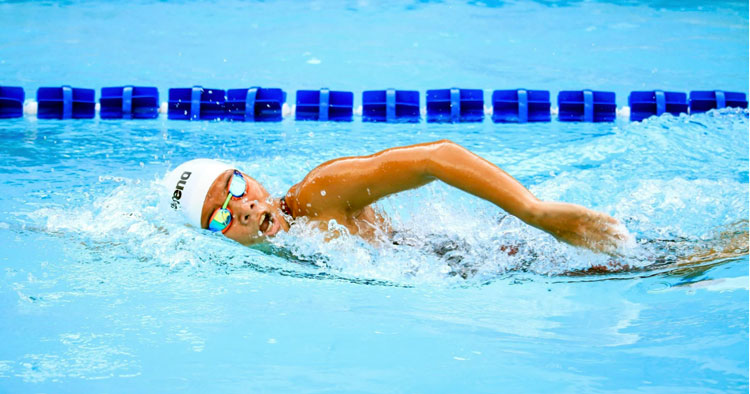
Swimming is an excellent way to stay active, build endurance, and relieve stress, but an injury can interrupt training and daily routines. Whether the issue stems from overuse, an accident, or a medical condition, getting back into the water too quickly can lead to setbacks. A well-planned recovery process is necessary to regain strength, prevent further damage, and ensure long-term success. Taking the right precautions, listening to medical advice, and gradually easing into training can make a significant difference in how smoothly the transition goes. By following a structured approach, swimmers can return to the pool safely and confidently, ready to enjoy the sport without unnecessary risks.
Let Legal Experts Handle the Complexities
Recovering from an injury often comes with more than just physical challenges. There may be legal matters to address, especially if the injury happened due to someone else’s negligence. Dealing with medical bills, insurance claims, and potential settlements can be overwhelming, which is why personal injury lawyers can help navigate these legal complexities. With experienced professionals handling the legal side of things, more energy can be directed toward healing and preparing for a return to swimming.
Listen to Medical Advice and Take Recovery Seriously
Returning to swimming too soon after an injury can lead to complications that prolong the healing process. While the urge to get back in the water might be strong, patience is key to making a full recovery. A doctor’s recommendations should guide every step of the rehabilitation journey. Whether it’s resting for a specific period, attending physical therapy, or performing targeted exercises, following professional advice can make a significant difference in regaining strength and mobility.
Physical therapy often plays an essential role in recovery, especially for injuries involving joints, muscles, or tendons. A structured rehabilitation program can help rebuild stability, improve flexibility, and strengthen the affected area before reintroducing the body to swimming. Therapists may recommend simple exercises like resistance band movements, balance drills, or controlled stretching routines to improve mobility without putting excessive strain on healing tissues. Skipping these steps or rushing through them can increase the chances of setbacks, turning what could have been a temporary issue into a chronic problem.

Start with Gentle Movements Before Returning to Full Training
Jumping back into intense workouts too soon can do more harm than good. The body needs time to readjust, and easing into movement is the best way to avoid setbacks. Starting with low-impact exercises, such as walking through shallow water or floating on the surface, helps reintroduce movement without excessive strain. Aqua jogging, gentle kicking while holding onto the pool wall, and slow arm movements can gradually rebuild strength and flexibility.
Outside the pool, light stretching and mobility exercises can prepare the muscles and joints for swimming again. Focusing on areas affected by the injury, as well as overall body mobility, can improve range of motion and help prevent stiffness. If swimming feels uncomfortable at first, resistance bands or bodyweight exercises on land can be useful alternatives to maintain strength until the body is ready for more demanding movements.

Increasing intensity too quickly can lead to re-injury, so progress should be gradual. Starting with short swimming sessions at a relaxed pace allows the body to adjust without excessive fatigue. As strength and endurance improve, the duration and intensity of workouts can be increased. Rest days between sessions give muscles time to recover and adapt, making the transition back to full training smoother.
Pay Close Attention to Pain and Fatigue
Discomfort is a natural part of the recovery process, but there is a clear distinction between manageable soreness and pain that signals a problem. Soreness typically feels like a dull ache in the muscles, especially after reintroducing movement, while pain is often sharp, persistent, or localized around the injured area. Ignoring pain and pushing through it can lead to setbacks or even a more serious injury. If pain arises during a swim session, it is best to stop and assess whether it fades with rest or continues beyond normal muscle fatigue. Swimmers recovering from an injury should also be mindful of fatigue, as excessive tiredness can indicate that the body is not yet ready for certain levels of activity.
Overexertion can strain healing tissues, prolonging recovery time. Taking regular breaks between laps, scheduling rest days, and easing into longer training sessions can help prevent exhaustion. Hydration and proper nutrition also play a crucial role in managing fatigue, as a well-fueled body recovers more efficiently. If pain persists or worsens after swimming, applying ice, using compression, or engaging in gentle stretching may help alleviate discomfort. For recurring pain or extreme fatigue, consulting a medical professional is always the best course of action.
Modify Technique and Training to Prevent Re-Injury
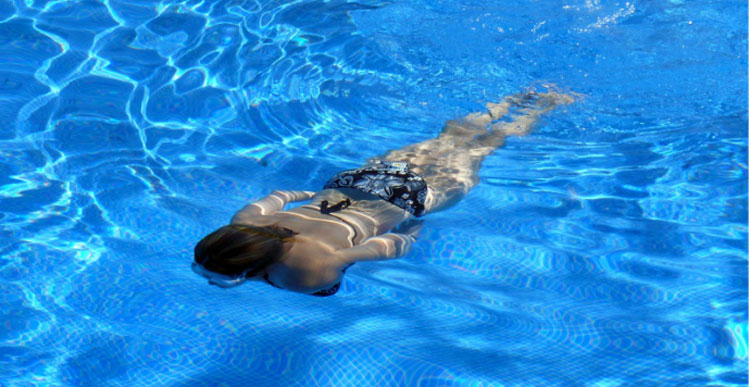
Returning to swimming after an injury may require adjustments to technique, stroke mechanics, or training routines. Improper form can place unnecessary stress on certain muscles and joints, increasing the likelihood of reinjury. Working with a coach or physical therapist can help pinpoint any biomechanical issues that might contribute to discomfort or strain. Small modifications, such as adjusting hand placement in freestyle, improving body rotation, or refining the breathing pattern, can make a significant difference in reducing stress on recovering areas.

Training intensity should also be reintroduced cautiously. Rather than immediately resuming previous workout levels, incorporating structured progressions can help the body adapt safely. Drills focusing on efficiency and control can be useful, as they reinforce good habits while preventing excessive force on healing tissues. Tools like kickboards, pull buoys, and resistance bands can assist in easing back into training by isolating specific movements and preventing overuse of weaker areas.
Maintain Strength and Flexibility Outside the Pool
A well-rounded recovery plan includes exercises beyond swimming. Strength training, stretching, and mobility work are crucial in rebuilding stability and preventing future injuries. Strengthening the muscles surrounding the injured area can help provide better support, reducing the likelihood of re-injury when returning to full training. Exercises that target core strength, shoulder stability, and hip mobility can improve overall body mechanics in the water.
Low-impact activities such as yoga, Pilates, and resistance band exercises can enhance flexibility and range of motion without placing excessive stress on healing tissues. These activities also promote better posture and body awareness, essential for maintaining proper swimming technique. Incorporating balance exercises, such as single-leg stands or stability ball drills, can improve coordination and reduce muscle imbalances that may have contributed to the initial injury.
Recovering from an injury and returning to swimming requires patience and a well-thought-out approach. Following medical advice, starting with gentle movements, monitoring pain levels, and making necessary modifications to training all contribute to a safe comeback. Keeping up with strength and flexibility exercises outside the pool further supports long-term recovery. By taking the right steps, a return to the water can be both enjoyable and sustainable.