
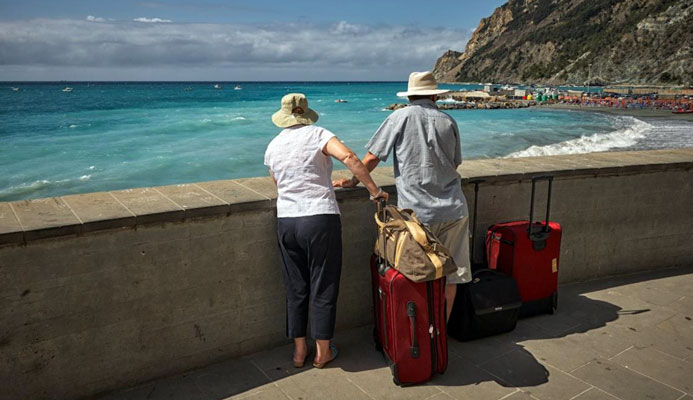
You are leaving soon. Maybe it is a work trip or a holiday you have been saving for. Either way, 2026 travel rewards the person who plans with a little headwork and doesn’t assume last year’s habits will still work. Today, I will lay out the things I actually do before every international trip.
If you are planning your first international journey, it helps to review some practical advice like these travel tips for beginners before finalizing your itinerary.
Read it once, act on it, and you’ll save hours of airport stress.
Get the documents right first
Passports, visas and health papers are still the most common reasons people are stopped before a trip begins. Many countries expect your passport to be valid for months beyond your travel dates. Airlines and border officials rely on centralized databases to check this, so do not assume your carrier will catch a problem for you. Check the rules for every country on your route, including any transit stops. If you need a renewal, start that process as early as possible; some countries offer expedited services but they are not always foolproof.
Visas and electronic entry
Visa rules change more often than airline schedules. For many destinations you can apply online. For others you still need embassy visits, invitation letters, or local sponsorship. Use the official government consular page for your destination as your source of truth. If your trip involves multiple countries, treat each visa requirement as a separate task and tick them off one by one.
Connectivity: eSIMs are the new travel SIM
If you do not want to hunt for a local SIM upon landing, an eSIM saves time. I recommend buying or prepping an eSIM like SIMOVO eSIM before you fly so you land already online. Install the profile and test it the night before departure. If it does not connect on arrival, you still have time to buy a short-term local plan.
Health checks and the current reality
As of March 2026, most countries no longer have blanket COVID-19 entry bans. Still, some destinations require proof of vaccination for specific travelers, or test proof for people arriving from outbreak areas. Carry digital and paper copies of essential health records and any emergency prescriptions. Your airline’s guidance and the official travel-health sections are the places to check the night before departure.
Insurance: do not skip this
Buying travel insurance is not glamorous, but it’s the single most useful purchase you can make on a trip. Many international travelers now include medical and trip-cancellation cover in their plans. The proportion of travelers opting for medical cover rose markedly after the pandemic. Read the policy fine print: emergency medical evacuation, pre-existing conditions, and pandemic exclusions matter. Compare at least two reputable providers and keep the insurer’s 24/7 emergency number in your phone.
Money and cards: carry backups
Carry a primary card, a backup card, and some local currency for arrival. Tell your bank about your travel dates and destinations; fraud blocks are still common. Consider an app that shows real-time exchange rates and lets you freeze cards with one tap. For long trips, a small prepaid card or a travel-friendly bank account reduces costly foreign transaction fees.
Luggage, tech and safety
Keep chargers, essential meds, documents, and one change of clothes in carry-on. Pack power banks in carry-on only and keep device batteries insulated. Airlines and safety authorities have clear rules about lithium batteries and spare power packs. If you carry a drone, a high-capacity power bank, or professional camera equipment, check both airline and destination rules ahead of time.
Double-check transport and accommodation rules
Hotels, short-term rentals and some local transport operators may have rules about check-in times, guest IDs, or deposits. Confirm any arrival-night restrictions and cancellation windows before final payment. If you are traveling with special interests like cycling, diving, or bringing pets, check equipment rules and permits early.
One last piece of blunt advice
Do not assume anything will be the same as last time you traveled. Passport rules tighten, health guidance changes, and the cheapest option is rarely the least stressful. Spend a bit more time on documentation and insurance. That small investment often saves you an afternoon at the airport or worse. For any specific country on your itinerary, start at the official consular site and then cross-check with IATA’s travel document tool to make sure you have everything lined up.