

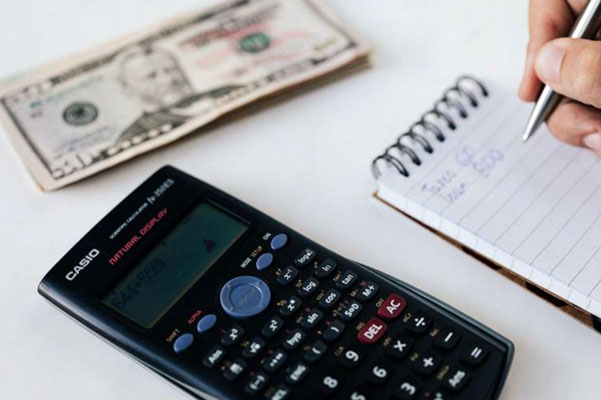
Unexpected expenses have been experienced by most households. A blown tire, a last-minute travel need, or a sudden medical bill can appear without warning. When that happens, calm planning is often replaced by rushed spending and missed payments elsewhere.
In the sections below, practical steps are provided so financial shocks can be managed with clarity. Each method is designed to be applied immediately, while long-term stability is also supported through straightforward planning.
Build a Mini Emergency Buffer
A small emergency fund is often described as the first line of protection against unexpected costs. It does not need to be large to be effective. Even a modest buffer can prevent reliance on last-minute borrowing or payment delays. A starting goal can be set at one week of essential expenses, then expanded over one month over time.
A separate savings account is recommended so funds are not blended with everyday spending. Automatic transfers can be scheduled right after payday. A realistic starting amount can be set at ten dollars to fifty dollars per week. Consistency matters more than size at the beginning.

Review your spending habits to uncover avenues for quick savings. A subscription that is rarely used can be paused. Small weekly changes can be redirected into the buffer. Unexpected costs have often been eased when an emergency fund has been built gradually, rather than being left to chance.
Set Expense Priorities Before the Crisis
When an unexpected bill arrives, clear priorities are needed. Without them, essentials can be delayed while money is spent in less useful places. A simple priority list should be written before an emergency occurs. Housing, utilities, food, transportation, and required insurance should be placed at the top. These categories support stability and should be protected first.
A three-tier structure can be used. Tier one should include essentials tied to safety and housing. Tier two should include transportation needs and minimum debt payments. Tier three should include flexible spending, such as dining out, entertainment, or online shopping. During a financial shock, tier three can be paused immediately.
Bills should also be ranked by consequence. Rent, electricity, and insurance carry a higher impact than optional services. When the priorities are established early, a faster and calmer response is supported.
Use Short-Term Funding With Clear Limits
A short-term cash gap can be handled through several approaches. Savings can be used first when available. Service providers can be contacted for a payment plan when needed. If a loan is considered, it should be treated as a structured solution rather than a quick fix, with repayment mapped out before anything is accepted.
A realistic budget check should be completed before new payments are added. The amount borrowed should match the size of the actual expense rather than being extended beyond what is necessary. In practice, reputable lenders such as CreditNinja.com can be used when a short-term expense has to be covered quickly, and a plan is already in place for repayment.

Terms should be reviewed carefully, and the payment schedule should be aligned with upcoming income. With defined limits and a clear timeline, a temporary shortfall can be managed without turning into a longer financial strain.
Reduce Future Shocks With Monthly Planning
Many unexpected expenses can be softened through monthly planning. Some costs feel sudden only because they were not treated as predictable. Car maintenance, annual renewals, seasonal utilities, and healthcare copays are recurring. When these expenses are planned for, they stop being financial emergencies.
A sinking fund method can be used. Separate categories can be created for car repairs, home needs, and medical costs. A small amount can be set aside monthly in each category. Even twenty dollars per category builds useful protection over time.
A short monthly budget review should be done as well. Spending should be grouped into essentials and flexible categories. One improvement can be chosen each month, such as lowering grocery waste or cutting unused subscriptions. Small adjustments reduce financial pressure and prevent panic later.
Build Fast Decision Habits for Emergencies
Calm decisions are more likely when a routine is already in place. When an emergency expense appears, time pressure often leads to expensive or disorganized choices. A simple checklist can guide the response and keep the process focused.
First, the expense should be labeled urgent or nonurgent. Urgent costs involve housing, safety, health, and transportation. Nonurgent costs can often be delayed. Second, the amount should be compared to available funds. Checking, savings, and upcoming bill due dates should be reviewed quickly.
Third, payment options should be listed. A bill may be split across pay periods, a provider may offer a payment plan, or a temporary spending pause may cover the gap. A short emergency checklist can be stored on a phone. With repeat use, panic is replaced by structure.
Staying Steady When Life Gets Expensive
Unexpected expenses will always be part of real-world budgeting. However, panic is not required when they appear. A calm response is supported through preparation and simple systems.
A small emergency fund can be built. Spending priorities can be defined ahead of time. Short-term options can be used with clear limits. Monthly planning reduces surprises, and decision routines keep actions grounded.
When these steps are practiced, financial disruptions are handled with more control. Essentials are protected, stress is reduced, and confidence grows. Over time, stability is strengthened through consistent habits that allow unexpected expenses to be managed without panic.