Winter’s coming. And as it fast approaches, there is always an underlying dread about what might happen if the weather becomes so inclement that it causes damage that disrupts power lines and causes severe power cuts. Our lives are now so intertwined with electricity and energy that most people simply can’t fathom what it might be like to wake up to no power in their homes and no recourse to do anything about it. But for those who are a touch more prepared, these situations are easily avoided when you invest in a system of backup power that kicks in when the grid goes down. We are taking a look at how this kind of investment, although initially relatively costly, can ensure that your life can keep moving on and that you are never disconnected from the umbilical cord of energy that dictates our modern lives.
Types Of Backup Power Solutions
While the average homeowner won’t be able to afford or need the types of commercial power solutions that businesses might need, you still have a plethora of options at your disposal. These can range from your standard (but by no means basic) mobile diesel generators to the more contemporary solar solutions. There isn’t any kind of one-size-fits-all option, and the solution you choose will obviously be based on what you can afford and hope to achieve. In general, when discussing backup power, there are three distinct categories that you can select:
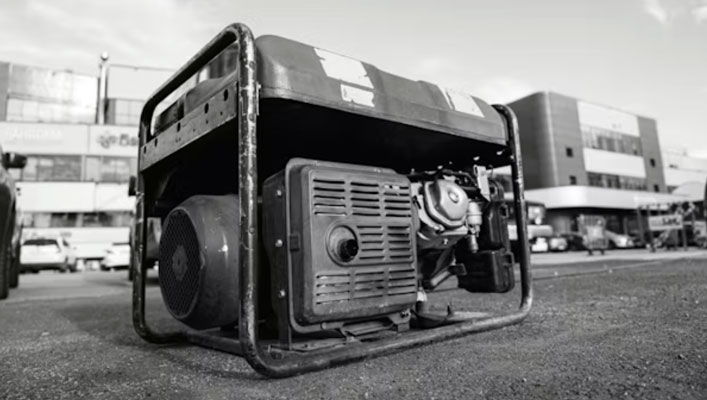
- Standby generators: These are what most people think of when imagining a backup generator. They tend to be powered using fossil fuels to generate electricity during an outage and are both reliable and affordable. The major downside is that you need to ensure you have a ready supply of fuel to keep it running.
- Uninterruptible power supplies (UPS): A UPS is a great option to power an entire home, as they are usually turned on the instant a power cut is detected and then revert to charging up their substantial battery arrays when grid power is restored.
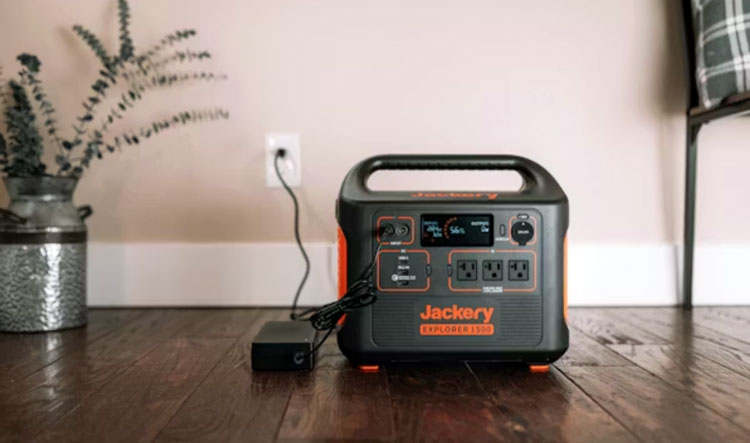
- Battery energy storage system (BESS): Think Tesla Powerwall, and this is kind of what we’re talking about. They are an amazing option, but highly dependent on seasons and often incredibly expensive.
| Feature | Standby generator | UPS | BESS |
| Runtime | Hours to days (indefinite if you have a constant supply of fuel). | Minutes (since they tend to be bridging units until power is restored). | Depends on capacity, but generally hours. |
| Transfer speed | Seconds. | Instant (as per their design). | Milliseconds. |
| Best for | Whole-home/business, extended outages. | Critical locations (server centers, medical facilities, etc). | Average-sized homes. |
| Maintenance | High (as is the case with all ICE devices) | Low. All that’s required is changing the battery for a new one. | This needs to be monitored, but dramatically less than an ICE generator. |
The Real Cost Of Being Without Power
For many, a power cut is an inconvenience that causes them to be unable to charge up their electrical devices or use the coffee machine. But for others, it can be a life-or-death situation that becomes progressively more extreme the longer power is absent. Even if the situation isn’t life or death, as it might be for a hospital or emergency service station, it can severely disrupt business and cause significant amounts of loss that, in some extreme cases, can cripple a company. In fact, there are some critical facilities where power is non-negotiable, including:
- Data centers and other IT infrastructure
- Healthcare facilities
- Emergency services
- Residential critical loads (security systems, medical equipment, etc.)
Why Outages Are Becoming More Frequent And Severe
The days when it used to be overload or weather being the sole cause of power outages are well and truly over. Although these still exist and arguably cause the most concern, because we live in a highly interconnected world, we now have other situations like cyber attacks that can bring down entire grids and wreak havoc with energy-producing facilities. Even when we’re discussing the weather, extreme weather events have now become the norm rather than the exception. And whatever side of the climate debate you might stand on (man-made vs natural weather cycles), the fact remains that when inclement weather hits, all that matters is keeping the lights on.
| Cause of the outage | % of Major U.S. Outages (2020–2025) | Average duration |
| Weather-realted | High/Dominant. Many reports state 70%–80% of major outages. | Hours to days (weeks in extreme cases) |
| Cyber/ physical attack | Low Frequency, High Risk. Around 12%. | 36+ hours. More for a major terrorist attack. |
| Equipment failure | Significant Cause. Around 15%. | 4-6 hours, depending on how fast repairs can be made. |
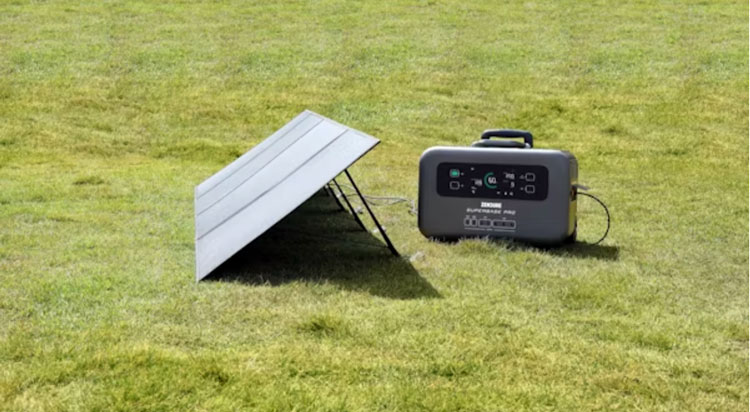
How To Choose The Right Backup System
With all things in life, there isn’t one perfect system that matches everyone’s unique circumstances. For instance, a small home will require much less than a business that simply cannot pause operations or a hospital. Nevertheless, there are some ways to gauge your needs and therefore help to choose a solution that most closely matches them.
Assessing Critical Loads
By spending some time inventorying all of your systems that need to be connected to power, you can conclude the devices that best suit your needs based on the amount of power required and expected runtime. If you’re serious about backup power, you should always err on the side of getting a more powerful solution that can future-proof you and ensure that whatever happens, you will always be covered.
Considering Outage Duration And Frequency
Areas prone to long outages may need generator-based systems over battery-only backups. This is because although solar and battery seem like an amazing option in this day and age, they can be touch and go. In comparison, a standby generator has been proven over decades and only needs to be topped up with fuel to keep going. If you’re able to afford it, you can achieve the best results by mixing different solutions.
Budget Vs. Operational Stakes
If you are only interested in powering your home for a day or two until the grid comes back online, you might not need to spend a fortune. Conversely, if you have mission-critical equipment that cannot be disconnected, it’s prudent to invest more to achieve a more rounded and long-term solution.
Energy isn’t really something that we can treat as a luxury anymore, and in fact, it’s vital to how we live our lives. In order to ensure that normal life remains uninterrupted, investing in the right type of generator can be a godsend.