
Standing on a dusty piece of desert outside Thatcher, it can be hard to picture anything but sun and wind, but for many Gila Valley families, this is the only realistic path to a home they actually want in the place they want to live.
So, instead of competing for the few resale homes that hit the market, more people are looking at on-your-land construction. Many regional homebuilders now offer build on your lot options, where you bring the land, and they bring the plans and construction crew. This approach lets you stay close to family, keep your views, and still end up with a modern, efficient home.
More Families Choosing to Build
The U.S. Census Bureau reports that 127,000 buyers bypassed the tight resale housing market and went straight to a builder for a single-family home in 2024.
In Graham and Greenlee counties, the story is similar, just on a smaller scale. New subdivisions pop up near schools and major roads, but not everyone wants to live in a master-planned community.
If you already own land on the edge of town, or you’ve found a rural parcel with good access, building there can be cheaper than buying a finished house and then paying again to remodel it into what you really want.
Making Sure Your Land Is Buildable
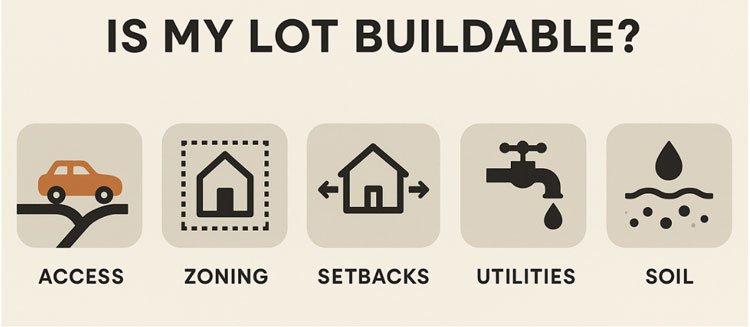
Before you fall in love with a floor plan, you need to know what your land will actually allow, and that starts with the basics: power and water, legal road access, and a realistic location for a septic system or sewer connection.
A quick call to the county or town planning office can confirm zoning and any special rules about floodplains or washes that cut across the property.
In the Gila Valley, even small changes in elevation or soil type can mean big differences in grading costs. A lot that looks flat may need a pad or drainage to keep your future home out of storm runoff and monsoon flooding.
Long-Term Planning
Within Arizona’s Active Management Areas, new residential subdivisions must prove a 100-year assured water supply before construction can move forward, and many projects must replenish the groundwater they use. Even if your lot is outside those boundaries, you should treat water the same way.
If you’ll be drilling a well, get written estimates for drilling depth and pump equipment, and if you’re tying into municipal service, confirm connection fees and timelines. The same goes for electricity and internet, as running utilities hundreds of feet over rough ground adds costs that don’t show up in the house price, but they absolutely show up in your budget.

Matching Your Floor Plan to Real Life
Instead of chasing the biggest possible house, think about how you actually live, since on-your-lot builders typically offer a library of proven floor plans that can be adjusted to your site, which gives you plenty of customizability.
For the Gila Valley, small tweaks like deeper-covered patios and shade on the west side, as well as cross-breezes through the main living spaces, can make a big difference in both comfort and utility bills.
Energy efficiency should also be high on your list, so look for plans that consider insulation, window placement, and roof design for hot, sunny climates. You can check out the Gila Herald’s coverage of home design trends that prioritize energy efficiency and smarter layouts for a helpful way to see what features actually perform well in Arizona conditions.
House First, Upgrades Later
Very few people finish every dream feature on day one, and that’s okay. The smart strategy is to build the core house you need now and plan the property so future upgrades are easy to add. That might mean wiring for a future workshop or grading a flat pad where a pool or guest casita could go later.
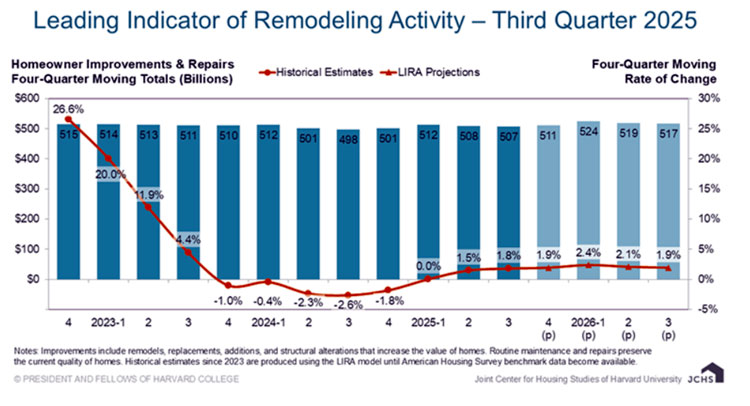
Research from Harvard’s Joint Center for Housing Studies shows homeowner spending on improvements and repairs is projected to exceed $500 billion annually in the next few years, as more people choose to improve rather than move.
Building with future phases in mind lets you join that trend on your own terms, without tearing apart a brand-new house just to fix avoidable design choices.
Local Building Trends and Alternatives
Finally, keep an eye on how other Arizonans are solving the same problem you are.
Across the state, families are experimenting with prefab homes, tiny homes, accessory dwelling units, and other creative setups to keep housing costs under control. The Gila Herald recently highlighted several affordable housing alternatives that are gaining traction in Arizona, from modular homes to park-model cabins and ADUs.
At the same time, construction methods are changing with new materials, modular components, and even 3D-printed elements moving from experimental projects into real neighborhoods, often with better energy performance and lower labor needs.
To see how some of these trends are already showing up here, you can look at our coverage of construction and design trends for local homeowners.
The resale market will always rise and fall, but a well-planned home on land you already love is one of the few housing decisions that keeps paying back every time you pull into the driveway and see that you built exactly where you wanted to be.