
A few smart upgrades can change how buyers feel the moment they step onto your property. The right projects cut operating costs, which makes your home easier to love and easier to sell. Use this guide to focus on improvements that deliver both visual impact and real value. Keep reading to learn more.
Refresh Walls with Buyer-Friendly Paint
A whole-home repaint is one of the fastest ways to reset a space. In its latest Remodeling Impact Report, the National Association of REALTORS reported that agents most often recommend painting the entire home or at least a key room before listing, along with addressing roof needs if required. That guidance reflects what buyers notice first and what photographs well in listings.
A crisp paint job sets the tone for the rest of your upgrades. If you want professional results without the trial and error, consult a local crew at paintzonellc.com to dial in sheen, prep, and trim details. Stick to light neutrals for common areas, then use a broader accent in one or two smaller spaces to add depth to the room.
Boost Curb Appeal the Smart Way
First impressions begin at the sidewalk. Clean lines, tidy landscaping, and a flawless entry door signal that the home has been cared for. Focus on small items that make a big visual promise to the buyer walking up.
- Power wash the walkway and siding
- Edge beds and add fresh mulch
- Swap dated house numbers and the mailbox
- Paint or replace the front door hardware
- Update exterior lighting for symmetry and brightness
For many homes, a weekend of exterior touch-ups does more than a complex project. If the garage door or front door is cosmetically tired but functional, repaint rather than replace, and put the saved budget toward interior fixes where buyers linger longer.
Seal Air Leaks and Add Insulation For Real Comfort
Air sealing and insulation make rooms feel calmer and more consistent across seasons. The Environmental Protection Agency’s ENERGY STAR program estimates that sealing common leaks and upgrading insulation can save the average homeowner about 15% on heating and cooling and roughly 11% on total energy costs. Those savings stack with time while smoothing out hot and cold spots that turn buyers off during tours.

Start with the attic hatch, rim joists, and penetrations around plumbing, wiring, and recessed lights. Use foam and weatherstripping where appropriate, then top up attic insulation to meet local recommendations. The result is a quieter home that smells cleaner and holds temperature better, which buyers notice within minutes.
Easy places to start:
- Weatherstrip exterior doors and the attic access
- Foam seal gaps around pipes under sinks
- Add door sweeps on drafty entries
- Insulate the attic to the current R-value targets
- Close fireplace dampers when not in use
Upgrade to a Heat Pump Water Heater
Hot water is a silent comfort feature, but the equipment you choose affects noise, utility bills, and carbon footprint. A heat pump water heater can save around $240 per year in a typical home, with a payback of around 4 years when replacing a standard electric unit. Beyond the math, these systems dehumidify basements and utility rooms, which helps protect finishes and stored items.
Look for models sized to your household and consider where you will place the unit for airflow. Many homeowners pair the swap with simple plumbing updates like insulation on hot water lines and a right-sized expansion tank. Together, those changes create a tighter, more efficient system that buyers read as modern and low maintenance.

Know Which Efficiency Standards Are Shifting
Policy is pushing water heating toward better performance, and that affects what you can buy. The U.S. Department of Energy recently finalized new residential water heater efficiency rules aimed at saving Americans more than $7 billion annually on utility bills. For sellers, that means newer equipment already in the home may be a selling point. For buyers, it signals that replacement options on the market are improving fast.
When listing, include the make, model, and installation year of your water heater and any energy labels. Clear documentation builds trust and helps your upgrade stand out in a crowded search.
Light Like a Listing Photographer
Lighting changes how paint reads and how large a room feels. Blend ceiling ambient lights with task lamps and a few accent fixtures to avoid glare and shadows. Choose warm to neutral bulbs in living areas and brighter neutral bulbs in kitchens and baths so counters and tile look clean.
Swap yellowed switches and mismatched plates with crisp white or matte black. Dimmers in the dining room and primary bedroom let buyers imagine different moods. In hallways, add one more fixture than you think you need so the path between rooms feels continuous and safe.
Update Small Surfaces That Carry Big Weight
You do not need a full kitchen or bath remodel to signal freshness. Focus on the touch points buyers test with their hands. Painting cabinet boxes and replacing hardware gives a crisp look at a fraction of the cost of new cabinets. In bathrooms, refresh caulk and grout, upgrade the faucet, and hang a simple framed mirror.

Consider luxury vinyl plank or engineered wood in worn living areas where carpet traps odors. These materials install quickly, look current, and are easy to clean. In bedrooms, a new low-pile carpet in a calm neutral can still be a win if it unifies uneven floors.
Create a Buyer-Friendly Maintenance Story
A tidy mechanical closet and labeled panel say as much as a new chandelier. Gather manuals, warranties, and service records in a slim binder for the kitchen counter. Replace HVAC filters, test alarms, and flush the water heater if recommended by the manufacturer.
- Label the electrical panel clearly
- Replace rusted hose bibs and escutcheons
- Lubricate squeaky hinges and garage rollers
- Tighten loose door latches and strikes
- Cap any unused cable holes with plates
These minor adjustments eliminate friction during tours and inspections. Buyers remember smooth doors, quiet fans, and clear labels because they hint at a home that has been loved and well-maintained.
Stage for Flow and Scale

Once the upgrades are complete, edit each room so the architecture leads. Pull furniture off the walls to widen walkways and float a rug to anchor a seating area. Use 3 focal points per room at most, including a fireplace, a piece of art, and a plant.
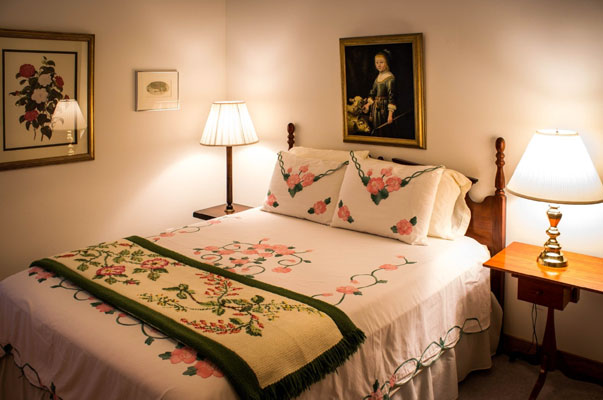
In bedrooms, aim for balanced nightstands and lamps. In the dining room, keep the table surface clean and add one simple centerpiece. Open curtains fully and raise the curtain rod a few inches above the window to lift the eye. These small moves let your upgrades do the talking without distraction.
With a focused plan, you can transform both how your home looks and how it lives. Prioritize paint, comfort, and a few high-visibility tweaks, then support those choices with simple efficiency steps. The result is a property that feels cared for, performs better, and stands out the moment buyers step inside.