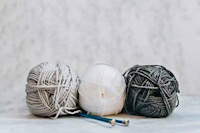
Heavier yarn weights aren’t spoken about enough. At home.
Sure, hours can be spent sitting down to make a blanket using thinner yarns. Waiting, stitch after stitch for a project to FINALLY look like something… But what if it didn’t have to be that way?
What if cozy home projects could be made without waiting weeks for the end result?
These are the types of yarn weights that make it possible. Here’s what’s coming up:
- Why Heavier Yarn Weights Are Booming Right Now
- The Definitive Guide To Yarn Weights At Home
- Top Projects To Make With Heavy Yarn
- Tips For Choosing The Right Wool Yarn for Blankets
- Quick Tips For Better Results
Heavier yarn weights are fast. Easy to work with. And make gorgeous home décor.
Let’s learn how to use them.
Why Heavier Yarn Weights Are Booming Right Now
The crafting industry is huge. Like, really huge.
Globally, the knitting and crochet market was valued at USD 9.48 billion in 2024 and is expected to reach USD 17.85 BILLION by 2034. More people are picking up needles than ever before.
And people want one thing…
Cozy things.
Blankets account for 33% of total market demand when it comes to knitting and crochet supplies. Throw blankets, scarves, hats… The biggest category of home crafts are easy-to-wear items that keep you warm. Most of which are made with bulky and super bulky yarn weights.
They allow crafters to create beautiful textures FAST.
And who can blame them?
Wrapping up in something made from scratch is the best feeling. Jumping into bed after a long day and sinking into a wool blanket doesn’t get much better than that.
The Definitive Guide To Yarn Weights At Home
Before diving headfirst into chunky yarn greatness, there are a few things worth knowing.
There are tons of different yarn weights.

Anything can be labelled “yarn”. From thin-as-hair lace weight yarns to huge balls of chunky yarn. They each work differently and create distinct textures in finished pieces.
Here’s a quick rundown:
- DK / Light Worsted – Good for lightweight sweaters, vests and summer garments.
- Worsted Weight – The favourite weight for blankets and home décor.
- Bulky – Big and beautiful projects with room to really get cozy.
- Super Bulky – Huge textures, arm knitting, and statement making pieces.
When talking about wool yarn for blankets, the worsted weight category is where it’s at.
In addition to being a perfectly balanced weight for throwing over shoulders and knees, wool yarn blankets keep you warm, regulate temperature, and get softer with every wash. But the material matters just as much as the weight.
Choosing 100% pure wool or high-quality wool blends means a finished project will hold its shape for years to come. There’s a reason wool is known as the gold standard.
Here’s the thing…

No matter how beautiful a finished blanket looks, starting with the wrong yarn means the results won’t be there. Things like micron count and fibre blend can make or break a finished project. A premium worsted weight yarn from a trusted brand makes all the difference. It’s worth spending a little extra to get results that last.
Top Projects To Make With Heavy Yarn
So what can actually be made with bulky and super bulky yarns at home?
Pretty much anything!
The most popular chunky yarn projects are:
- Throw blankets / Lap blankets
- Cushion covers
- Chunky scarves & cowls
- Winter hats / Beanies
- Baby blankets
But the absolute best project for beginners…
…Is the humble Throw Blanket.
Searching “easy crochet blanket patterns”, “simple knitting blanket stitches”, or even “yarn graffiti ideas” reveals one pattern that keeps coming up – the throw blanket.
All of the best, most beginner friendly tutorials for chunky yarn use a throw blanket as the end goal.
Why? Simple stitches. Easy-to-follow patterns. Progress is visible from the get-go.
It feels good to work with bulky yarn. Don’t overthink it.
Pick up a basic knit stitch, seed stitch or single crochet blanket pattern and let the yarn do the heavy lifting. Made with worsted or bulky wool yarn for blankets, a finished throw blanket could be ready in a weekend. Yes, seriously.
Intrigued? Here’s how to choose the right yarn.
Tips For Choosing The Right Wool Yarn for Blankets
Choosing yarn can be difficult. There are thousands of brands and types of yarn out there. Feeling overwhelmed by the options is completely normal.
Here’s how to narrow things down…
Stick To the Basics
Look for worsted, aran or bulky weight yarns. These will be clearly marked on the label of every ball of yarn.
Opt For Wool and Wool Blend Yarns
Wool fabrics are cosy, breathable and beautiful. Wool yarn for blankets is the gold standard for a reason – they keep you warm when it’s cold and cool when it’s hot. Plus they block and stitch like a dream.
Pro tip: Pure merino wool is so soft that it’s safe for baby blankets and skin sensitivities. It’s totally worth the investment.
Machine Washable Is a Friend
A blanket that can’t be thrown in the washing machine is rarely used. Look for “superwash” wool yarns or wool/acrylic blend fabrics that are safe to wash at home.
Buy More Than Needed
Running out of yarn mid-project is about as fun as it sounds. Buy an extra ball or two just in case. Worth it every time.
Quick Tips For Better Results Every Time
Heavier yarns are a lot more forgiving than their thinner counterparts. There’s a reason blankets and scarves are made for beginners. But a few simple tips can still help.
Use Larger Needles / Hooks
Because bulky yarn is – you guessed it – bulky. Larger needles and hooks are needed to work with wool yarn for blankets. Check the yarn packaging to see what size is recommended. Too small and it’s a struggle. Too large and stitches won’t tighten up.
Make A Test Swatch First
Do it anyway. Before jumping into a big project, make a small test swatch. It takes all of 5 minutes and can save hours of headaches down the track. It’s the best way to learn how the yarn works with the chosen stitches and check tension before going all in.
Block When Done
Blocking is every seasoned crafter’s best kept secret. Once knitting or crochet is finished, wash it lightly. Reshape it and lay it flat to dry. It’s amazing how much this step evens out stitches and improves the overall finish.
Don’t Stretch the Cast On
Make sure there’s enough room on that first cast on. A tight cast on makes it difficult to work into stitches and can leave the blanket edge stiff and awkward. Cast on loosely, or grab a larger needle for that first step.
Wrapping Up
Working with heavy yarn at home isn’t difficult. But using the right materials makes all the difference when crafting in bulky wool yarn.
Keep these things in mind before casting on:
- Worsted, Aran, and Bulky weight yarns are best for blanket making.
- Wool and wool blend materials offer the best durability and temperature regulating qualities.
- Swatch first, pick the right needle size for the yarn, and block when finished.
- Buy more yarn than seems necessary to avoid running out halfway through.
Whether new to crafting or used to lighter weights, heavier yarns open up a world of possibilities.
Just remember to keep these tips in mind.
Happy crafting!
Frequently Asked Questions
What is the best yarn weight for a blanket?
Worsted and aran are the best yarn weights when it comes to knitting and crochet blankets at home. They’re thick enough to knit up quickly and create a beautiful drape that feels cozy, but not stiff.
Is wool yarn good for blankets?
Yes! Wool is breathable, durable and gets softer with every wash. Plus, 100% pure wool and wool-blend yarns regulate temperature making them great for all seasons. If planning to toss a blanket in the washing machine, look for superwash wool yarns or wool/acrylic blends.