
Heading out on the open road? Passing through an unfamiliar town? Trying to learn how to survive in the wild? Here’s your checklist.
The moment you pack your bags and book your flight, you may think you’re prepared for your trip. But when you land and something doesn’t go according to plan in a new place… that’s when being prepared truly matters.
Survival classes save lives. Here’s how you know:
When accidents happen in unfamiliar places, being prepared can mean the difference between a headache and a tragedy.
Travel-related risk notifications actually increased by 15% from 2024 to 2025. But that’s not a reason to cancel your trip. It’s a reason to go prepared.

Survival training isn’t just for the backcountry. Whether someone is venturing far from civilization or getting around a foreign city, taking the time to learn a few basic survival skills will always give them a leg up. Not only will you learn basic skills like how to build shelter and read terrain, you’ll also learn how to properly signal for help and use survival cutting tools in the field.
Knowledge is power. Take control of your next adventure by learning how to stay safe anywhere with basic survival skills.
Here are 10 ways to stay prepared before traveling away from home.
You’ll Learn:
- Why travelers should know survival skills
- 10 Steps to Preparedness
- Wrap up
Why Every Traveler Should Know Survival Skills
Let’s start with a hard truth:
Most travelers don’t think about survival skills until it’s too late.
While basic travel health insurance is important, did you know that according to the CDC, travelers are actually 10 times more likely to die from injuries than infections? Things like car crashes and drowning accounted for most of these fatalities. Not some exotic disease — things that could be avoided entirely with a little preparation.
Prepare smart. Don’t let your guard down because you’re on vacation. Let knowledge keep you safe.
Take These 10 Steps To Prepare For Travel
Step 1) Take A Basic Survival Class First
Let’s start with the single most important — and overlooked — step.
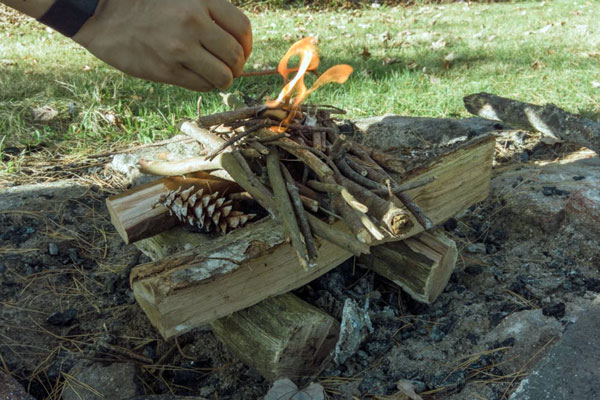
Travelers who take the time to learn real survival skills before taking a trip have a huge advantage. Hands-on training helps you learn skills like navigation, first aid, fire-starting, and proper tool usage in a controlled environment. But more than that, travelers who go know how to handle themselves with confidence. Take a basic survival class before your next big trip. Trust us — it’s worth it.
Step 2) Research Your Destination
Before you even think about packing, do your research.
Know the lay of the land before you arrive. Study the local geography, climate, current events, and any hazards you should know about. The State Department has an excellent website of travel advisories for every country on Earth — read it. Better yet, print it out and bring a hard copy with you just in case.
Knowledge really is power.

Step 3) Pack A First Aid Kit
You can’t emphasize this one enough.
Every traveler should have a solid first aid kit that includes the basics: bandages, antibacterial wipes, adhesive tape, pain relievers, any prescription medications you need, and a basic emergency first aid handbook. You don’t need a military-grade kit. You do need one.
Step 4) Bring Navigation Tools
Ever been lost with a dead phone?
You should always have both a physical map of your destination and a working compass on your person at all times. Plus, learn how to read a topographic map before you go. That’s part of most basic survival classes. You’ll thank us later if your phone dies.
Step 5) Know Local Emergency Contacts
This should take you less than a minute.
Different countries have different emergency services numbers. Write down the local emergency contacts before you go. That includes police, ambulance, fire, and anything else you think you may need. Add them to your phone and write them on a card to keep in your wallet.

Step 6) Create A Personal Emergency Kit
A first aid kit isn’t enough. You’ll need more.
A good traveler’s emergency kit will include:
- Flashlight/headlamp with extra batteries
- Whistle
- Emergency mylar blanket
- Water purification tablets
- Small multi-tool or folding knife
- Firestarter (waterproof matches, lighter)
- Small amount of emergency cash
That doesn’t sound like much stuff. But when you need it, you’ll be glad it’s there.
Step 7) Learn Basic Water and Food Safety
Bad food and water are hidden killers.
Survival skills include knowing how to properly treat water in an emergency. That means water purification tablets, boiling water when possible, or using a portable water filter. As far as food goes, you should learn the basics of what to avoid eating when you travel to international destinations.
Step 8) Leave Itinerary With Someone At Home
You don’t pay for this step. And you may never need it. But it could save your life.
Always, always leave a complete itinerary with a friend or family member at home. That means where you’re staying, the routes you’ll be taking, when you expect to check in, and any emergency contacts they may need. If something happens to you, someone needs to know where to start looking.
Step 9) Learn How To Build Shelter & Signal For Help
Stuff happens. Planes get delayed. Cars break down.
Learn how to build an emergency shelter using the materials around you. That’s another essential survival skill everyone should know. You should also know how to signal for help, whether that’s with a mirror, whistle, or brightly colored material. Once again, basic survival training has you covered.
Step 10) Stay Calm & Don’t Panic
This is the most important survival skill on the list.
When accidents happen, panic is your worst enemy. Learn how to assess your situation and think rationally under pressure. This isn’t instinct — this is a skill that you can learn with practice.
Back to Basics
Survival skills for travel aren’t just about knowing what to do if you get stranded in the wilderness. They’re about knowing what to do when everything that can go wrong does… and your trip is about to be ruined.
Follow these 10 steps, and you’ll have a solid preparedness checklist that covers everything from navigation to emergency signaling. Here’s the quick rundown:
- Take a basic survival class
- Research your destination beforehand
- Pack a first aid kit and an emergency kit
- Bring navigation tools and know how to use them
- Leave the itinerary with someone you trust at home
- Practice staying calm in stressful situations
Now get out there and travel smart.