
PHOENIX – As the Arizona high school basketball playoffs intensify, two separate incidents over the weekend shifted attention away from the court and toward concerns about sportsmanship, crowd behavior, and game management.
One incident involved a seating dispute during an Open Division playoff game between Central High School and Sandra Day O’Connor High School on Friday.
A separate allegation came from a 3A quarterfinal in Coolidge the same night. Chinle players and a state lawmaker said members of the crowd directed racial taunts at visiting athletes.
Together, the situations prompted renewed scrutiny of the postseason environment governed by the Arizona Interscholastic Association.
Seating dispute at Central-O’Connor game
Central lost to O’Connor 91-77 in a second-round Open Division matchup. Still, the focus shifted to the stands after a seating dispute escalated between Central parent Jackie Mattingly and O’Connor game personnel.
Mattingly was told she needed to move from the home section to the designated visitor area and that police could be called if she refused.
She left the gym with her sons, Central standouts John and Grant Mattingly, who did not play.
Brian Kilgore, director of communications and community at Deer Valley Unified School District, provided a statement to Cronkite News about the incident.
“Prior to Friday night’s basketball game, a Central High School parent was asked to relocate from the Sandra Day O’Connor section to the visitors’ section,” Kilgore said.
“O’Connor’s established event protocol, consistent with standard practice at many high schools, is to separate home and visitor spectators to promote a safe and secure atmosphere at athletic events.”
Kilgore said the parent refused to relocate and that staff sought assistance from Central’s coaching staff to reinforce spectator expectations.
He said Central staff did not assist, and the parent ultimately left the gym.
“The request to relocate was based solely on standard spectator seating protocols that are applied consistently to all attendees,” Kilgore said. “Our priority at athletic events is to provide a safe environment for students and families.”
Mattingly, who is Native American, later told The Arizona Republic she felt threatened, believed she was racially profiled, and did not feel safe remaining at the game.
Some social media users accused Central of intentionally losing to fall into the 5A bracket and pursue a second straight conference championship. Mattingly denied that claim.
“When you’re threatening your mother with the police, are you going to stay?” she told The Republic. She added that coaches from both teams attempted to resolve the situation.

The Mattingly brothers had previously told The Republic, after a first-round win over Phoenix Arcadia, that they welcomed another opportunity to face O’Connor after losing a close Open Division matchup to the Eagles last season.
AIA Executive Director Jim Dean confirmed to The Republic that the association is investigating reports from both schools.
“We’re in the investigative process, as it stands right now,” Dean said. “We’re looking into all of the accusations that have come forward.”
Racial taunt allegations in Coolidge
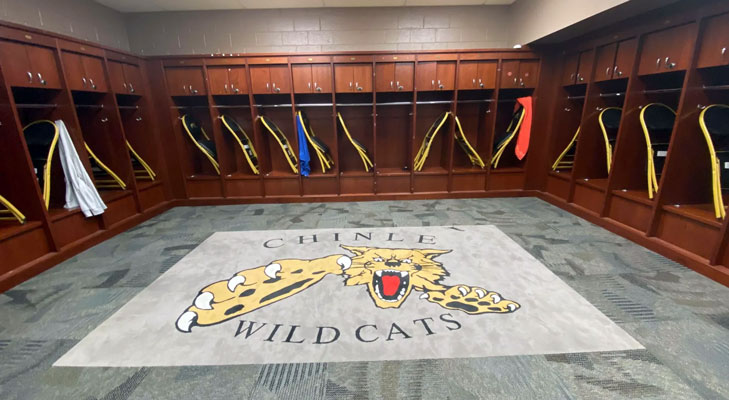
In a separate playoff game Friday night, players from Chinle High School alleged they were subjected to racial taunts from spectators during a 3A boys basketball quarterfinal against Coolidge High School.
State Rep. Myron Tsosie said he received video and firsthand accounts from the Chinle community describing racially abusive language directed at players.
In a statement released Saturday, Tsosie elaborated on the reports.
“Our students and fans should not have to endure this kind of behavior and be made to feel unsafe at what is supposed to be a fun, exciting, and positive experience,” he said.

Andy Nez, a delegate to the Navajo Nation Council who represents Chinle, told the Navajo Times he has launched a separate investigation into the Chinle incident, and he suggested that the Central-O’Connor incident involving the Mattingly family also has racial overtones.
“It’s racial profiling,” Nez told the Times. “It’s unfortunate that we hear these types of circumstances that put our students and fans in jeopardy. We’re still in the 21st century, and we’re still in the Southwest, where there’s predominantly a lot of Native population, and it’s ridiculous to think about what our students have to experience and endure because of their identity.
Nez said he was given a video that indicated that one of Chinle’s players was spat upon.
“Just by the body language, you could clearly see that there was a moment where one of our student-athletes was spat on,” Nez told the Navajo Times.
The allegations drew statewide attention and calls for accountability. Nez told the Navajo Times that Coolidge should be removed from the playoffs.
The AIA issued a statement acknowledging the seriousness of the situation.
“The AIA is actively looking into the serious situation that occurred at the boys’ basketball playoff game between Chinle and Coolidge on Friday night. Reports are still being gathered from all parties,” the statement read.
“Pending the results of the investigation, the AIA will use its bylaws to address any findings. The association will not tolerate any discriminatory words or actions toward teams and fans. High school sporting events are times to bring communities together. Any actions to the contrary will be dealt with.”
The association said it is reviewing incidents that occurred before, during, and after the game, including matters involving crowd management.
Playoff pressure and crowd conduct
The incidents occurred during one of the most competitive stretches of Arizona’s basketball calendar.
The Open Division format places the top teams statewide into a single elite bracket regardless of school enrollment classification. Teams that do not advance return to compete for conference titles.
Supporters say the format elevates competition and ensures the best teams face each other. Critics argue the increased stakes, particularly in early rounds, heighten pressure on players, families, and host schools.
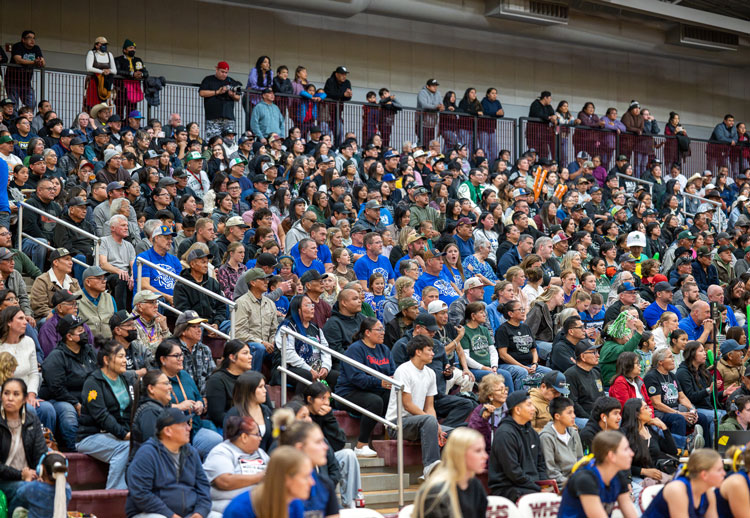
Packed gyms, emotional fan bases, and championship implications can create volatile atmospheres if expectations are not carefully managed.
The Central-O’Connor dispute and the Chinle-Coolidge allegations underscore several dimensions of that environment, including spectator management, concerns about discriminatory behavior, and host schools’ responsibility to protect visiting athletes.
Under the AIA bylaws, the association has the authority to impose sanctions for violations, including penalties related to crowd conduct.
As of Tuesday morning, no formal findings had been announced.
Whether additional policy adjustments or enforcement measures follow may depend on the outcomes of the investigations, but two playoff games, one in Phoenix and one in Coolidge, have ignited broader debate about maintaining safety, respect, and inclusion amid the intensity of Arizona’s postseason basketball environment.
For more stories from Cronkite News, visit cronkitenews.azpbs.org.