
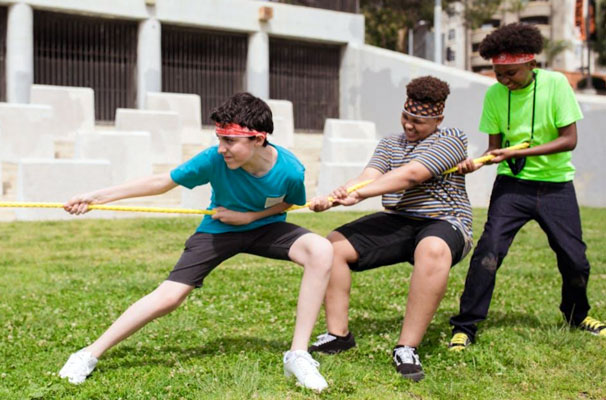
Picking a sport for your child can feel big, but it doesn’t have to be a guess. Start with your child’s age, interests, and comfort level, and match options to your family’s schedule and budget. With a few simple checks, you can help them build skills, friendships, and a love of movement.
Gauge Age and Readiness
Before you sign up, look for basic readiness. Can your child follow simple rules, take turns, and handle short instructions without a meltdown? If the answer is yes, organized play is likely to feel positive. Keep early goals simple: try new things, learn group routines, and celebrate small gains.
Age matters for structure. A psychology column noted that around 6 is a common age when many kids can start true youth sports with teams, games, and light competition. That doesn’t mean your 4-year-old can’t try movement classes or parent-and-me activities. Just build stamina with short sessions and playful drills, not long practices with lots of standing around.
Start in the Water
Water time can be a gentle, low-impact way to explore movement. Many kids love splashing, kicking, and building comfort around pools. These early wins spark confidence and body awareness that carry into other sports later.
Keep sessions short and fun to avoid fatigue. If you’re considering a learn-to-swim program, swim schools like BSS are one recognizable option among many providers families compare. Focus on programs that group by skill instead of age alone, since beginners progress at different speeds. Ask about small class sizes and how instructors adapt for shy or high-energy kids.

Water Safety Basics Parents Should Know
Swim skills are a safety essential. Pediatric guidance highlights that lessons teach life skills that can prevent drowning and help them learn how to float, roll, and reach techniques that improve safety around water.
When you shop for a class, ask practical questions. How does the program teach safe entries and exits, breath control, and float-to-breathe transitions? Do instructors guide kids on what to do if they fall in unexpectedly? The stronger the safety curriculum, the better your child’s foundation for all future water fun.
Safety and Injury Risk without Fear
Every sport carries some risk, so your job is to manage it without scaring your child away from movement. Look for programs that teach proper technique, use age-appropriate equipment, and limit contact for younger ages. Simple habits like warming up, hydrating, and resting after tough days lower common strains.
Trends can inform your choices. Injury-tracking data reported that sports and recreational injuries rose in the last year, which makes smart precautions even more important. Use that as a nudge to ask about coach training, emergency plans, and protective gear.
Temperament and Motivation Fit
Match the sport to your child’s personality. Do they thrive on quiet focus or prefer fast, social play? A thoughtful, detail-oriented child may enjoy swimming laps, martial arts forms, or track technique drills. A highly social child may light up in soccer or basketball, where teamwork and quick decisions are constant.

Watch for motivation signals. If your child talks about practice outside of practice, imitates skills at home, or counts sleeps until game day, you’ve likely found a fit. If they dread getting ready or complain of tummy aches, the format might be off. Tweaks can help: smaller teams, shorter sessions, or a different coach’s style.
Time and Logistics You Can Truly Support
Even the perfect sport fails if the schedule collapses your week. Map drive times, practice lengths, and game days against dinner, homework, and sibling needs. Choose formats that fit your current rhythm.
Try a quick planning check before you register:
- How many weekly practices, and on which days?
- Travel time door-to-door during traffic?
- Game schedule windows and tournament expectations?
- Make-up policies for illness and vacations?
- Carpool or nearby program alternatives?
Put this on a fridge note so everyone knows what to expect. When the plan is visible, you reduce day-of surprises and last-minute scrambles. A stable routine helps kids recover, sleep better, and arrive ready to move.
Cost, Gear, and Commitment Level
Budget is part of the decision. Ask for registration, uniforms, equipment, meet or league fees, and any travel costs. Many starter programs offer loaner gear or used swaps to lower the first-year hit. If a sport requires upfront purchases, start with the minimum until you know your child wants to continue.
Check refund windows and trial classes. A month-to-month model protects your budget while you learn what fits. If cost is tight, ask about scholarships or community programs that keep fees manageable.
Sample Widely, Delay Specialization
Early years are for sampling. Variety builds coordination and reduces the chance of overusing the same joints week after week. Many kids discover their favorite sport only after trying three or four.
Hold off on single-sport focus until your child shows genuine pull and the body is ready for higher loads. Expert groups warn that pushing one sport too early can lead to overuse issues and burnout. You can still honor a passion by mixing complementary activities that strengthen weak links. Think of it as cross-training for growing bodies and growing minds.
Choose Programs and Coaches That Grow Character
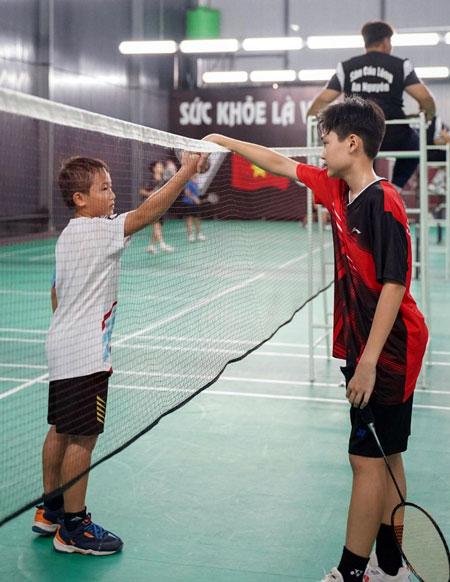
The best programs model respect, patience, and resilience. Do coaches get down at eye level and give clear, upbeat feedback? Do they correct without shaming and praise effort over outcomes? Those habits turn practice into a safe place to try, fail, and try again.
Ask how mistakes are handled. Good coaches break skills into steps and give kids a chance to succeed quickly, then raise the bar bit by bit. They also include the quiet kids and redirect the loud ones without calling anyone out. When character comes first, performance follows.
The right sport is the one your child looks forward to and can grow with. Start small, keep safety and readiness in view, and let curiosity lead the way. Adjust the plan when energy or interest shifts, and that’s normal. With steady support and a schedule that works for your family, your child can build skills, confidence, and joy that last far beyond a single season.