


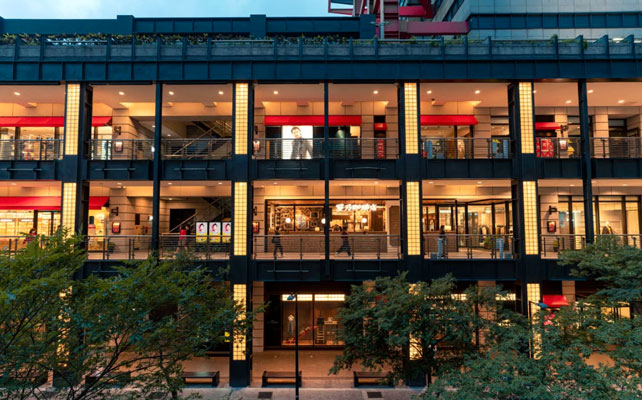
Empty shops and underused offices can weaken a town center, but many of these properties can support useful new services, workspaces and homes. A successful conversion starts with a realistic view of the building’s condition, local demand and the money needed before rental or sales income begins. Owners who resolve those points early have a better chance of creating a busy local hub instead of funding a project that stalls halfway through.
The Rise of Multipurpose Commercial Units
Demand for commercial property is changing as flexible work, online shopping and local services reshape how people use town centres. One large unit might now accommodate several smaller businesses, such as a café, shared office and community studio. Upper floors may also suit residential conversion where local rules allow it.
Choosing the right mix of occupants starts with understanding what residents and businesses need. This article on independent business ideas for the Gila Valley explores potential ventures, including cafés, recreation centers and event venues that could help bring activity into commercial areas.
Several factors determine what will work. Check pedestrian traffic at different times, speak with nearby traders and compare local rents before settling on a plan. Evidence from projects involving vacant office conversions also shows why floor depth, window placement and access to services matter. A building designed for desks may require substantial work before it can support homes or mixed uses.

Planning Hurdles and Conversion Timelines
Planning approval is only one part of a commercial conversion. You may also need building control approval, accessibility upgrades, fire safety work, new utility connections, and consent for external alterations. Older properties can bring further complications, including outdated wiring, water damage or protected architectural features.
Build time into the schedule for surveys and design revisions. A modest internal refit might take a few months, whilst a change of use with structural work can take a year or longer. Research into office-to-housing conversions highlights practical barriers such as plumbing layouts and access to natural light. Ask your surveyor and contractor to prepare a phased program with cost allowances for hidden defects.
Covering the Gap with a Property Bridging Loan
Funding gaps often appear between buying a vacant unit and securing longer-term finance. A property investor might need to complete a purchase before a conventional mortgage or commercial finance arrangement is ready, particularly when the building needs work before it can meet standard lending requirements.
A property bridging loan is a short-term borrowing option secured against property or land. Depending on the lender’s criteria and the proposed project, it may help fund a property purchase, an auction completion or a refurbishment while the borrower arranges a longer-term mortgage or prepares the property for sale. The amount and terms depend on the security, the borrower’s circumstances and, importantly, a credible repayment strategy.
Prepare a full project budget before applying. Include professional fees, insurance, utilities, taxes, security, and a contingency sum alongside construction costs. Lenders will also want to understand the property’s value, the proposed work and your exit route. Delays can increase the total cost quickly, so use a conservative completion date and test whether the project remains affordable if approval or building work runs late.
Structuring Your Long-Term Exit Strategy
Your exit strategy should explain exactly how the short-term borrowing will be repaid. Common options include refinancing onto a commercial mortgage, selling the completed property, or using proceeds from another confirmed transaction. Refinancing usually depends on the finished building meeting valuation, occupancy and rental-income requirements, so discuss those standards before construction begins.
Keep records of invoices, approvals, leases and progress photographs throughout the project. If the plan relies on tenants, agree realistic rents and avoid treating informal interest as guaranteed income. A flexible layout can also reduce risk by allowing units to be combined or separated as demand changes.
Before committing funds, obtain written figures for the conversion and the proposed exit finance. That final comparison may reveal that one extra survey, a revised layout, or a longer contingency period is what turns an empty unit into a viable neighborhood asset.