

Gila Herald Staff Reports
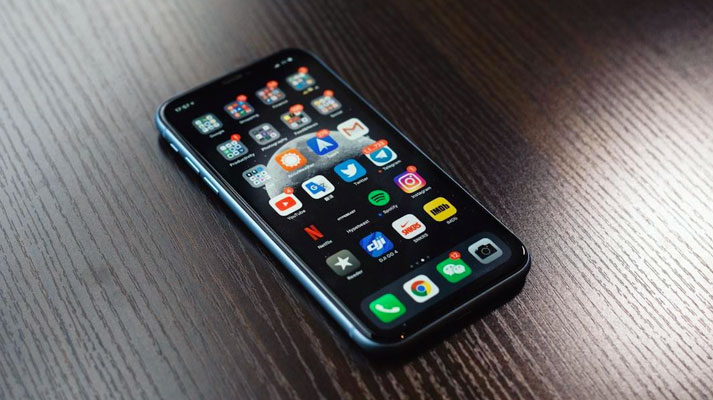
WASHINGTON — U.S. Senators Mark Kelly (D-AZ) and Tom Cotton (R-AR) introduced bipartisan legislation Thursday to help public schools reduce classroom distractions by keeping cellphones and personal electronic devices out of students’ hands.
The measure, dubbed the Utilize No Phones in Learning to Unleash Growth in Grades and Educate Distraction-free (UNPLUGGED) Schools Grant Act of 2026, would establish a federal grant program to support states and school districts that adopt bell-to-bell device restrictions during school hours.

Combatting Classroom Distractions
According to national survey data, more than half of public school leaders report that mobile devices negatively impact student academic performance, while screen time among children and teenagers continues to rise outside of school hours.
“Phones in schools have been a disaster for learning,” Sen. Kelly said in a statement. “Getting phones out of classrooms will mean fewer distractions and more time for kids to focus on their teachers and lessons. We’re giving schools the tools to make that happen.”
Sen. Cotton echoed Kelly’s sentiments, emphasizing the need for focused learning environments. “Arkansas kids deserve classrooms free of distractions,” Cotton said. “This bill would support public schools that choose to tailor their classroom cellphone guidance to ensure students have the most productive school days possible.”
Grant Structure and Exceptions
If passed, the UNPLUGGED Schools Grant Act would provide federal funding directly to states that implement policies prohibiting students from possessing or using personal electronics during the school day. States could use grant funds to purchase physical storage infrastructure, including secure lockers, lock boxes, or pouch systems.
To qualify for federal funding, states would be required to develop policies in coordination with local school districts, educators, parents, and students.
The bill includes mandatory provisions allowing parents to reach students through school staff for time-sensitive matters, such as transportation changes. It also carves out mandatory exceptions for students who need device access because of medical conditions, disabilities, or special education needs, while allowing states to add further exemptions as needed.
Broad Support from Educators and Advocates
The proposed legislation has received backing from major national education and mental health organizations, including the American Federation of Teachers (AFT), the National Education Association (NEA), and The Anxious Generation movement.

Social psychologist Jonathan Haidt, co-founder of The TAG Movement and author of The Anxious Generation, praised the bipartisan effort.
“No other policy change would confer as big and as rapid a benefit to American schools as freeing students from the constant distractions of the buzzing phones in their pockets,” Haidt said. “Schools that go phone-free almost always report increased student engagement, decreased disciplinary problems, and, most touchingly, teachers say that they hear laughter in the hallways again.”
The measure joins a series of education initiatives Kelly championed this Congress, following his bipartisan introduction of the READ Act to boost child literacy and the Educators for America Act to support teacher workforce development.