

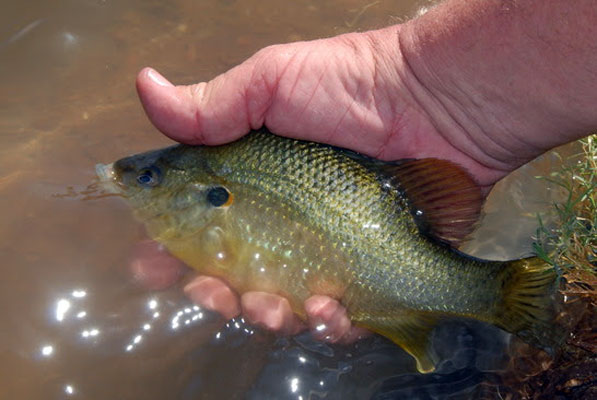
Moving fish between Arizona’s waterways has serious consequences
Contributed Article/Courtesy AGFD
PHOENIX — Transporting fish between bodies of water may seem like a harmless act, but it can have serious economic and ecological consequences — and in the state of Arizona, it’s against the law.
As Arizonans across the state enjoy the outdoors this Labor Day weekend, the Arizona Game and Fish Department (AZGFD) is asking for the public’s help in combating illegal fish stocking.
It is illegal to release aquarium pets or any fish or aquatic species that are not approved for use as live baitfish into Arizona waters, and it is illegal to move fish from one water body to another water body. Anyone caught doing so is subject to the appropriate legal and financial consequences, which may include criminal citations, civil assessment, the loss of hunting and fishing privileges, and civil liability for reclamation efforts.
Illegal fish stocking threatens native and sport fish populations, spreads disease and invasive species, and costs millions in removal efforts that take resources away from improving fishing opportunities.

“It may seem harmless to move a few fish from one water to another, but the consequences can be significant and sometimes impossible to reverse,” said Julie Carter, AZGFD aquatic wildlife branch chief.
“Illegal stocking can threaten years of fisheries management and conservation work and permanently change a fishery. We’re asking the public to help us protect Arizona’s waters by never moving fish illegally and by reporting illegal stocking when they see or hear about it,” said Carter.
The biological consequences of illegal fish introductions can be severe.
Illegally introduced fish can harm existing sport fish and native fish populations by preying on them, competing for resources, altering their reproductive activity, or introducing disease, parasites, or invasive species into the populations. This can reduce native or sport fish numbers or eliminate their populations entirely.
These effects can extend far beyond the waterbody where fish were first illegally introduced. Once fish gain access to one water, they can move on their own to other locations that are connected by water and can establish new populations.
Responding to illegal fish introductions is expensive.
When fish are illegally stocked, agencies may be forced to implement costly removal or suppression efforts.

States within the Colorado River Basin have spent more than $100 million to respond to illegal fish introductions, averaging about $2 million annually. This is money that states would much rather spend on stocking sport fish or activities to enhance fishing opportunities.
Help protect Arizona waters.
If you see anyone illegally stocking or moving fish, report it to Operation Game Thief at 800-352-0700. You can remain anonymous and may be eligible for a reward.