


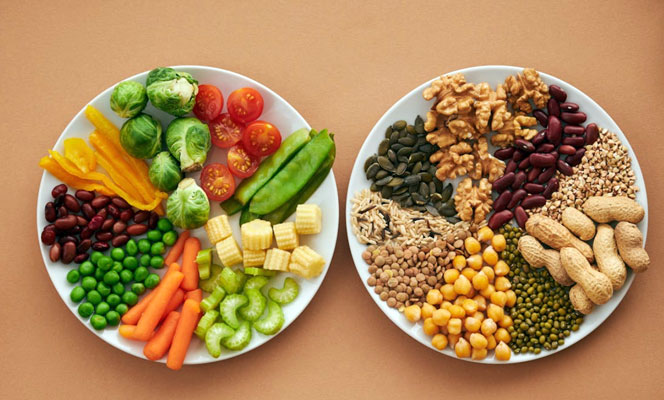
Diet is one of the most significant modifiable influences on long-term health. The foods consumed regularly provide the energy and nutrients required for normal physiological function, while the overall dietary pattern can influence cardiovascular health, digestive function, bone strength, muscle maintenance and metabolic health.
Yet healthy eating is often made more complicated than it needs to be. Nutritional trends tend to focus attention on individual foods, ingredients or nutrients, despite health outcomes being determined far more by the overall pattern of the diet over time.
A balanced approach is therefore less concerned with identifying individual foods as healthy or unhealthy and more concerned with establishing a varied dietary pattern that provides sufficient protein, fiber, vitamins, minerals and essential fats while limiting excessive amounts of salt, free sugars and saturated fat.
For those looking for a more convenient way to maintain these habits, a premade meal delivery service can help make balanced, nutritious meals easier to incorporate into everyday life.
Ana Carolina Goncalves, Superintendent Pharmacist at Pharmica online pharmacy, explains:
“The greatest nutritional benefits generally come from consistency rather than perfection. A varied diet that provides adequate protein, fiber, fruit, vegetables and essential nutrients can support multiple aspects of health over time. At Pharmica, we encourage people to consider nutrition as one part of a wider approach to wellbeing that also includes regular physical activity, sufficient sleep and appropriate healthcare when required.”

Understanding how the different components of the diet contribute to health can make it easier to build an eating pattern that is both nutritionally appropriate and realistic to maintain.
The importance of dietary variety
No single food contains every nutrient required by the body. This is why dietary variety forms one of the foundations of good nutrition.
Different foods provide different combinations of macronutrients and micronutrients. Protein supplies amino acids needed for tissue growth and repair. Carbohydrates provide an important source of energy. Dietary fats support several physiological processes and assist with the absorption of certain vitamins. Vitamins and minerals are required for functions ranging from normal immune activity to bone maintenance and energy metabolism.
Fruit and vegetables are particularly valuable because they provide fiber alongside a broad range of vitamins, minerals and naturally occurring plant compounds.

Current UK guidance recommends consuming at least five portions of varied fruit and vegetables each day. Variety is important within this recommendation because different types of produce provide different nutritional profiles.
A practical diet might therefore include leafy vegetables, tomatoes, peppers, carrots, berries, citrus fruits, beans and other plant foods across the course of a week rather than relying repeatedly on the same small selection.
This principle extends beyond fruit and vegetables. Rotating between different sources of protein, carbohydrates and healthy fats can help broaden nutrient intake while also making a balanced diet more enjoyable and sustainable.
Fiber and digestive health
Fiber is an essential component of a healthy dietary pattern and has important effects on both digestive and wider health.
Adults in the UK are generally advised to consume around 30 grams of fiber each day. Sources include wholegrain cereals, oats, wholemeal bread, brown rice, beans, lentils, chickpeas, fruit, vegetables, nuts and seeds.

One of fibre’s most immediate roles is supporting normal bowel function. Different types of fiber influence digestion in different ways, including increasing stool bulk and providing substrates that can be fermented by bacteria within the gut.
Fiber intake is also relevant beyond digestion. Diets that contain sufficient fiber are associated with a lower risk of cardiovascular disease, type 2 diabetes and bowel cancer.
Increasing fiber intake does not necessarily require a fundamental change in diet. Replacing refined cereal products with wholegrain alternatives, including beans or lentils in meals and consuming fruit and vegetables regularly can substantially increase intake.
Changes should generally be introduced gradually, particularly in people whose existing diet contains relatively little fiber. Increasing intake too quickly can result in temporary bloating or abdominal discomfort. Adequate fluid intake is also important when increasing dietary fiber.
People with particular gastrointestinal conditions may require individualized advice because a high-fiber diet is not appropriate in every clinical situation.
Protein as a foundation for tissue maintenance

Protein is required throughout life for the maintenance and repair of body tissues. It also contributes to the production of enzymes, hormones and numerous other compounds involved in normal physiological function.
Although protein is frequently discussed in relation to exercise, its importance is not limited to athletic performance.
Regular protein intake is particularly relevant to maintaining muscle mass. This becomes increasingly important with age because adults naturally become more susceptible to reductions in muscle mass and strength over time.
Suitable sources of protein include fish, eggs, poultry, lean meat, dairy products, beans, lentils, chickpeas, tofu, nuts and other plant sources.
There are advantages to consuming a range of these foods rather than depending predominantly on one source. Beans and lentils, for example, provide fiber in addition to protein. Fish can provide protein alongside several important micronutrients, while oily fish such as salmon, sardines and mackerel also provide long-chain omega-3 fatty acids.
Current UK guidance recommends consuming at least two portions of fish each week, including one portion of oily fish.
People following vegetarian or vegan diets can obtain adequate protein from plant foods, although greater attention may need to be given to overall dietary variety and certain micronutrients. Vitamin B12 is particularly important for people following a vegan diet because reliable natural plant sources are limited.
The purpose of protein within a healthy diet is not simply to maximize intake. The objective is to consume an appropriate amount as part of a broader, nutritionally balanced dietary pattern.
Choosing appropriate sources of carbohydrate and fat
Carbohydrates and fats are sometimes presented as nutrients that should be avoided, yet both have legitimate roles within a balanced diet.
The nutritional quality of the food source is generally more relevant than removing an entire macronutrient group.
Starchy carbohydrates such as potatoes, bread, rice, pasta and grains can provide energy as well as several important nutrients. Higher fiber options including oats, wholemeal bread, wholewheat pasta and brown rice generally provide more fiber than highly refined alternatives.
This distinction is important because foods should not be assessed according to their carbohydrate content alone. Wholegrain cereal and a confectionery product may both contain carbohydrates, but they differ considerably in fiber content, micronutrients and their overall nutritional composition.
A similar principle applies to fat.
Dietary fat supports cell function and provides essential fatty acids. It is also required for the absorption of fat-soluble vitamins.
However, the type of fat consumed is important. Unsaturated fats found in foods such as olive oil, nuts, seeds, avocados and oily fish can generally be prioritized over excessive amounts of saturated fat.
Foods that can contribute substantial quantities of saturated fat include butter, cream, fatty meats, pastries, cakes and certain processed foods.
A healthy diet does not require these foods to be eliminated completely. Rather, the overall pattern should favor nutritionally valuable sources of fat while preventing foods high in saturated fat from becoming dominant components of the diet.
Salt, sugar and cardiovascular health
Healthy eating is not determined only by what should be added to the diet. Certain components also require moderation when consumed regularly.
Salt is an important example.
Sodium is required for normal physiological function, but excessive intake can contribute to raised blood pressure. High blood pressure is an important cardiovascular risk factor and may remain asymptomatic for many years.
UK guidance recommends that adults consume no more than 6 grams of salt each day.
Reducing salt intake is not simply a matter of using less at the table. A considerable proportion of dietary salt can already be present in products such as bread, processed meats, sauces, soups and prepared meals.
Comparing nutritional labels between similar products can therefore be a useful way to reduce intake without substantially changing the types of food consumed.
Free sugars should also be moderated. These include sugars added to foods and drinks as well as sugars present in products such as honey, syrups and fruit juice.
Adults are generally advised to limit free sugars to around 30 grams per day.
Frequent consumption of foods and drinks high in free sugars is particularly relevant to dental health. Sugary drinks can also provide considerable quantities of sugar without contributing the fiber and nutritional complexity found in whole fruit.
This does not mean that a healthy diet must exclude desserts, confectionery or other foods enjoyed for pleasure. Their importance depends on frequency, quantity and the overall quality of the diet in which they are consumed.
Diet and digestive comfort
The relationship between diet and health is also evident in the digestive system.
Dietary fiber, fluid intake and food variety can influence normal bowel function, while particular foods can contribute to symptoms in people who experience conditions such as indigestion or acid reflux.
Acid reflux occurs when stomach contents move upwards into the esophagus. This can produce a burning sensation in the chest commonly referred to as heartburn as well as an acidic or unpleasant taste in the mouth.
Dietary triggers vary considerably between individuals. Some people find that symptoms are more likely after large meals or after consuming particular foods and drinks. Alcohol, coffee, chocolate and foods that are high in fat are among the commonly reported triggers, although avoiding these unnecessarily is unlikely to be beneficial if they do not cause symptoms for the individual.
Eating large meals shortly before lying down may also exacerbate reflux for some people.
This highlights an important distinction between general dietary guidance and individual symptom management. A nutritionally appropriate food does not necessarily agree with every person, and a food that triggers symptoms for one individual may cause no difficulty for another.
Where acid reflux occurs regularly, dietary and lifestyle measures may be accompanied by medication when clinically appropriate.
Omeprazole is a proton pump inhibitor that reduces the amount of acid produced by the stomach. By suppressing gastric acid production, it can help relieve symptoms associated with acid reflux and gastro-oesophageal reflux disease.
Treatment should nevertheless be appropriate to the nature and frequency of the symptoms. People who experience persistent or recurrent reflux should seek medical advice rather than relying indefinitely on self-treatment, particularly if symptoms are changing or becoming more severe.
Difficulty swallowing, persistent vomiting, vomiting blood, blood in the stools or unexplained significant weight loss should also prompt medical assessment because these symptoms require further investigation.
Hydration as part of a balanced diet
Adequate hydration is another important component of nutrition that is sometimes overlooked.
Water is involved in almost every major physiological system, including temperature regulation, circulation, digestion and the transport of nutrients and waste products.
The NHS generally advises adults to consume around six to eight glasses of fluid each day, although individual requirements can vary considerably.
Fluid requirements may increase during hot weather, physical activity or illness. Age, body size, pregnancy and certain medical conditions can also influence how much fluid an individual requires.
Water is an appropriate primary source of hydration, although other drinks including tea and coffee also contribute towards daily fluid intake.
For most people, pale yellow urine can provide a practical indication of adequate hydration. Persistently dark urine may indicate insufficient fluid intake, although medicines, supplements and medical conditions can also affect urine color.
People who have been advised to restrict fluid intake because of a medical condition should follow the recommendations provided by their healthcare team rather than general population guidance.
The role of supplements
Vitamin and mineral supplements can be valuable when there is an identified nutritional requirement, but they should generally complement rather than replace an appropriate diet.
Whole foods provide nutrients within a complex nutritional structure that may include fiber, protein, healthy fats and numerous other compounds. Taking an isolated vitamin cannot reproduce all of these characteristics.
There are nevertheless circumstances in which supplementation is recommended.
In the UK, most people are advised to consider a daily vitamin D supplement during autumn and winter because sunlight is not consistently sufficient for the skin to produce adequate amounts during these months.
Specific supplementation may also be required during pregnancy, where a deficiency has been diagnosed or where a particular dietary pattern creates a predictable nutritional gap.
People following vegan diets, for example, need a reliable source of vitamin B12.
The assumption that larger doses provide greater health benefits should be avoided. Some vitamins and minerals can cause harm when consumed in excessive quantities, and supplements can interact with medicines.
Anyone considering high doses or multiple supplements, particularly alongside prescribed medication, should discuss their use with an appropriate healthcare professional.
A healthy diet is defined by the overall pattern
The health effects of diet accumulate over time.
An individual meal is therefore unlikely to determine whether a person’s diet is healthy. What matters more is the pattern established across weeks, months and years.
A diet that regularly includes varied fruit and vegetables, wholegrain foods, appropriate protein sources and predominantly unsaturated fats provides a strong nutritional foundation. Maintaining appropriate fiber intake, drinking sufficient fluids and moderating excessive salt, free sugars and saturated fat further supports that pattern.
There should also be room for flexibility.
Food has social, cultural and psychological importance as well as nutritional value. An approach that makes ordinary meals, celebrations or social occasions unnecessarily difficult is unlikely to represent a sustainable definition of healthy eating.
The objective is not dietary perfection. It is to establish a pattern that reliably provides the nutrients the body requires while reducing avoidable dietary risks.
For most people, the fundamentals of healthy nutrition remain relatively straightforward: eat a varied diet, prioritize foods with meaningful nutritional value and consider the pattern of intake over time rather than focusing excessively on individual foods.
Where digestive symptoms, allergies, deficiencies or other medical conditions affect what can be eaten comfortably or safely, general nutritional guidance may need to be adapted with professional support.
A balanced diet is therefore best understood not as a short-term intervention, but as one component of maintaining health throughout life.