


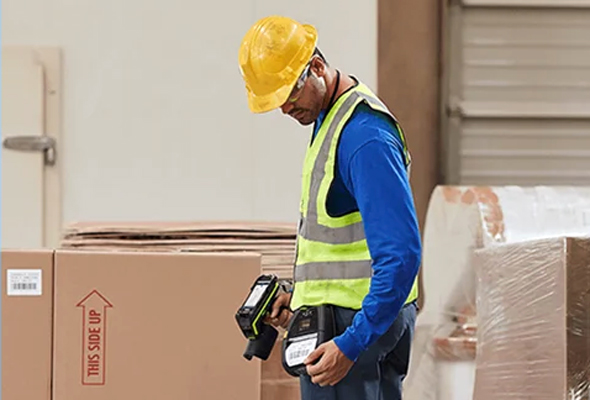
Receiving and distribution teams handle a steady flow of inventory through docks, storage areas, staging zones, and outbound points. Accurate identification at each operational checkpoint helps maintain reliable item records as goods move through a facility. RFID technology supports these workflows through tagged items, configured readers, automated data capture, and location-aware tracking.
A structured RFID asset tracking approach can capture item and location details as tagged goods enter receiving areas and proceed through distribution workflows. Fixed readers can support automatic identification at designated transition points, while mobile RFID readers provide flexible bulk scanning across operational areas. Captured information can also feed back-office systems through integrations that keep operational records up to date.
Establish RFID Identification at Receiving Points

Receiving is an important control point because incoming goods need accurate identification before they enter storage or distribution processes. RFID tags attached before arrival can be detected as items pass through a configured receiving area. Items without suitable tags can receive printed and encoded RFID labels before they move farther into the facility.
Use Fixed Readers at Defined Entry Areas
Fixed RFID readers can capture tagged items as they pass designated receiving locations without requiring individual barcode scans. Reader settings can be configured for specific operational conditions, including antenna locations, power settings, tag identification protocols, and time-out values. Careful configuration helps ensure relevant tag reads correspond with the correct physical area.
Support Flexible Receiving With Mobile Readers
Handheld RFID devices suit receiving tasks that require employees to move between pallets, storage locations, or other work areas. Their bulk-scanning capability allows multiple tagged items to be captured during a single workflow. Mobile readers can also assist with item location and inventory audit tasks after receiving is complete.
Track Inventory Through Distribution Areas
Distribution workflows require dependable visibility as items move between storage, staging, processing, and outbound locations. GS1 US reports that RFID technology can raise item-level inventory accuracy to more than 95%, demonstrating its relevance where accurate product identification supports warehouse movement and fulfillment. RFID asset tracking can record item locations and movement history while supporting defined operational workflows across distribution areas.
Useful tracking activities within distribution operations include:
- Capturing tagged inventory at designated transition points
- Identifying item locations through fixed or mobile RFID readers
- Recording movement history across operational areas
- Updating item status after significant tag reads
- Sharing item and location data with connected back-office systems
Work With RFID Specialists on Warehouse Tracking
RFID specialists can assess receiving points, distribution paths, reader placement, and tag requirements before deployment. Their technical expertise helps configure fixed and mobile readers around actual warehouse workflows and operational conditions. Professional planning also supports reliable data capture, system integration, and consistent tracking as inventory requirements change.
RFID tracking can provide clear inventory visibility from receiving through storage, staging, and outbound distribution. A structured approach connects suitable tags, readers, location data, and workflow events with specific operational needs. Careful implementation helps maintain accurate movement records and dependable inventory data across warehouse processes.
FAQs
What Is RFID Tracking in Warehouse Operations?

RFID tracking uses radio-frequency tags and readers to identify and record inventory as items move through receiving, storage, staging, and distribution areas.
How Does RFID Improve Receiving and Distribution Workflows?
RFID supports faster item identification, automated data capture, and more accurate movement records across key warehouse transition points.
What Is the Difference Between Fixed and Handheld RFID Readers?
Fixed RFID readers capture tagged items at designated locations, while handheld readers support mobile scanning across receiving, storage, and distribution areas.