

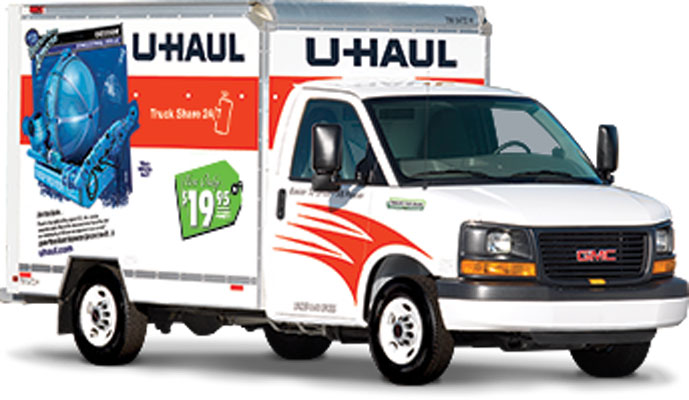
Arizona households thinking about a move north have probably already heard the basics: pack early, book a truck, label your boxes. Fine advice, but it skips the part that actually trips people up. Utah isn’t just a few hours away. It’s a different climate system entirely, and that changes more of the moving process than most people expect.
If you’ve spent years in the Valley or anywhere south of the Mogollon Rim, your whole relationship with weather planning has probably been pretty simple. Heat management, monsoon timing, maybe some dust storm awareness, the kind of thing Arizona DOT covers every summer when it flags thunderstorms, high winds, and flash flooding as monsoon-season risks. Utah runs on a different clock. Snow, freezing temperatures, and winter driving conditions show up for a good chunk of the year, and that reality touches almost every stage of a relocation.
The Climate Difference Nobody Really Warns You About
Phoenix’s hot, dry climate is dramatically different from Salt Lake City’s colder, snowier winters. Salt Lake City and communities along the Wasatch Front experience colder winters, including periods of snow and freezing temperatures, something the National Weather Service’s Salt Lake City office documents in its climate records. The Wasatch Front sits at a significantly higher elevation than Arizona’s major desert population centers, and that shift affects everything from driving conditions to how you’ll prepare for winter once you’re there.

None of this is a reason to avoid the move. People relocate from Arizona to Utah for a variety of personal, professional, and lifestyle reasons. But going in with desert assumptions about timing and logistics tends to cause problems that were pretty avoidable.
What Actually Needs to Change in How You Pack
Packing for a desert-to-mountain move isn’t just “the same boxes, colder destination.” A few things shift.
Layered clothing takes priority over what you’d normally grab first. Someone moving from Tucson in July doesn’t usually own much cold-weather gear, so this might mean buying before you pack rather than after you arrive, especially if the move lands in late fall or winter.
Moisture matters more too. If boxes are exposed to snow, rain, or a wet loading area, moisture-resistant packing and proper covering become more important. Plastic bins with sealed lids handle that kind of exposure a lot better than standard cardboard, particularly for anything electronic or paper-based.
Vehicles and Winter Driving Readiness
This is the category people underestimate most. Depending on the vehicle, route, and time of year, drivers may need to check tire condition and whether additional traction equipment is required. UDOT posts specific winter traction requirements, including rules that apply to heavier vehicles during severe conditions, and it’s worth checking those before driving a loaded truck or trailer through mountain terrain for the first time.
Outdoor equipment needs a look too. Patio furniture, grills, garden tools, anything that’s been sitting outside year-round in Arizona’s dry heat may not hold up as well through freeze-thaw cycles. Some of it might be better off in storage rather than going straight outside at the new place.
Protecting Belongings That Are Sensitive to Cold
A few categories of items are worth extra thought during a winter move. Liquids can expand in freezing temperatures, so anything in glass or sealed containers deserves a second look. Temperature-sensitive electronics and other delicate items may need extra protection when exposed to large temperature swings during loading, unloading, and transit. Musical instruments, artwork, and anything with adhesive components are also worth flagging.
This doesn’t mean every box needs special handling. It means being honest about which specific items are actually vulnerable, and planning their transport separately if needed, rather than assuming the whole load can be treated the same way.
Timing the Move Around Weather, Not Just Convenience
Summer feels like the obvious moving season, and for a lot of reasons it is. But if a move into Utah is going to land between late fall and early spring, weather has to factor into the schedule in a way it never had to in Arizona.
Winter weather can affect major Utah routes, particularly through mountain corridors, so checking current road conditions before departure matters. UDOT’s traffic system tracks road weather, crashes, and construction in real time, and it’s a reasonable habit to check it the morning of the move rather than just the week before.
Arrival Day Logistics Look Different Too
Even something as simple as unloading a truck changes. Driveways and walkways can ice over fast, and carrying furniture across a slick surface is a genuinely different task than doing it on dry Arizona pavement. Having ice melt or sand on hand, and knowing where the nearest indoor space is for anything cold-sensitive, saves a lot of frustration on move-in day.
Why an Experienced Moving Company Helps
Winter conditions create logistical considerations that don’t come up as often in Arizona moves, from changing road conditions to protecting belongings during loading and unloading. An experienced moving company can help account for those factors when planning the move.
For households making this move, it’s worth working with a Utah moving company that handles long-distance relocations regularly and offers packing support and storage for items that need it, since not everything makes sense to move straight into a new home during winter.
The Bigger Picture
None of this is meant to make an Arizona-to-Utah move sound complicated. It’s a common relocation, and plenty of families make it every year without issue. The difference between a smooth move and a stressful one usually comes down to a handful of decisions made early: what gets packed differently, how vehicles are prepped, and how much weather is factored into the schedule.
Arizona households are used to planning around heat. Utah requires a different kind of preparation, particularly when snow, elevation, and winter driving enter the equation. Once that shift in thinking happens, the rest of the move tends to fall into place.