


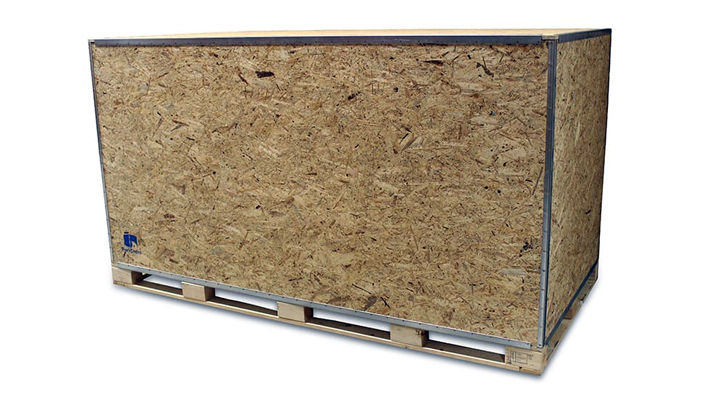
Crate failures rarely look dramatic when they happen. It’s usually small things: a base that flexes under an engine block, a side panel that splits at the screws, a shipment that arrives with hairline cracks nobody notices until the machine is already unloaded and running behind schedule. Heavy equipment shipping doesn’t forgive a crate picked in a hurry, and getting the basics right up front saves a lot of headaches later.
Why Wood Crates Outperform Standard Packaging
Cardboard and generic pallets are fine for lightweight goods, but they weren’t built for engine blocks, hydraulic presses, or anything with sharp edges and real mass behind it. Wood crates handle that kind of load because the material itself resists crushing, puncture, and the constant flex that happens during transit. A well-built crate spreads weight evenly across its base instead of concentrating it at a few stress points, and it keeps out moisture and dust along the way, too.
Key Factors in Choosing the Right Wood Crate
Weight capacity is the first number to check, and it’s also the one people fudge the most. Every crate carries a rated load limit, and pushing past it invites structural failure mid-shipment, sometimes without warning until the crate is already off the truck. Dimensions need attention too. A crate cut too tightly stresses the seams during loading, while one cut too loosely lets the equipment shift and slam into the walls with every turn or stop.
Construction style matters as much as size. Plywood sheathing over a solid lumber frame usually strikes the best balance of strength and weight, while solid lumber crates hold up better for extremely heavy or oddly shaped loads. Screws generally beat nails for anything traveling long distances or crossing borders, since screwed joints resist the vibration that works nails loose over a cross-country haul.
Skid height and forklift entry points are easy to overlook until a crate can’t be lifted safely at the dock, which then holds up the entire shipment.
Extra Large Wood Crates for Oversized Equipment
Excavators, generators, industrial presses, and oversized motors routinely blow past the dimensions of a standard crate. That’s where extra large wood crates for sale from specialized suppliers come in, built with reinforced framing, heavier-gauge lumber, and skid bases meant for forklift or crane handling. Trying to squeeze oversized equipment into an undersized crate is one of the most common mistakes companies make, and it almost always ends in damage somewhere along the route.
Interior Bracing for Wood Crates
A crate is only as good as what happens inside it. Even the sturdiest exterior walls won’t help if the equipment itself is free to shift during transport. Internal bracing, blocking, and bolt-down points anchor heavy items in place so they don’t move at all. Moisture barriers, foam padding, or desiccant packs add another layer of protection for parts sensitive to humidity, which matters more than most shippers realize once a load crosses a few different climates.
Benefits of Reusable Wood Crates
Companies that ship equipment on a regular basis often do better with reusable crates instead of building a fresh one every time. A sturdy wood crate can survive several round trips if it’s handled and stored with any care at all, which cuts material costs noticeably over a year. Reusable designs frequently include removable panels or hinged sides that speed up loading and unloading on both ends. Some operations maintain a rotating fleet of standard-sized crates, moving them between facilities and treating the crates themselves as equipment rather than a one-time expense.
Where to Buy Wood Crates for Heavy Equipment
Sourcing a properly matched crate shouldn’t mean waiting weeks for a custom build or settling for whatever happens to be sitting in a local supplier’s yard.
Container Exchanger lists extra-large wood crates for sale from sellers across North America, so buyers can compare sizes, weight ratings, and pricing directly without a middleman marking things up. For any operation shipping heavy or oversized equipment on a regular basis, getting the crate right protects both the load and the budget behind it.