Contributed Article/Courtesy ADHS
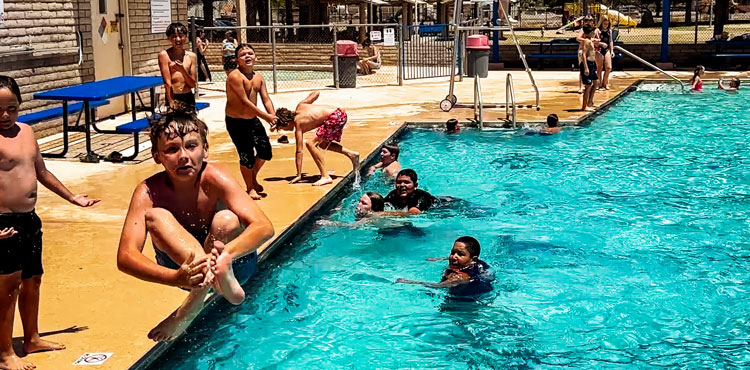
In Arizona, water isn’t just a way to cool off. It’s where our families gather, where childhood memories are made, and how we thrive through the hot summer months. From backyard pool barbecues to trips to Lake Pleasant or local splash pads, water brings our communities together.
Because we care deeply about the well-being of every family in our state, we want to talk openly about water safety. Drowning remains the leading cause of unintentional injury and death for children ages 1 to 4, both nationally and in Arizona. It is a heartbreaking reality that touches parents, caregivers, first responders, and entire communities.
Child drownings can happen to any family regardless of education, race, culture, or economic background. Fortunately, there are effective actions families can take to reduce the risk and help keep children safe around water. By following the ABCDs of water safety, families can take practical, proven steps to help protect children and prevent tragedies.

The ABCDs of Water Safety
Building a safe environment around water is all about overlapping habits. When one layer slips, another is there to keep your child safe.
A is for Adult Supervision
The most important step in preventing drowning is providing constant, attentive adult supervision whenever children are in or near water.
- Assign a “Water Watcher:” Designate one adult whose only job is to watch the water actively. Swap turns every 15-20 minutes so everyone stays alert and attentive.
- Put away distractions: Put phones on silent. Save reading or chatting for when you are rotated off of “Water Watcher” duty.
- Touch Supervision: For infants, toddlers, and weak swimmers, stay within arm’s reach at all times.
A child can drown in seconds and often without making a sound. Never leave a child unattended around water, even for a moment!
B is for Barriers
Children are naturally curious, and pool barriers act as essential safeguards.
- Check your pool fences and gates: Per Arizona law, pool fencing must be at least 5 feet tall, have no openings through which a spherical object 4 inches in diameter can pass, and be equipped with self-closing and self-latching gates that open outward. Please check your local ordinances, as they may have stricter pool fencing requirements.
- Maintain door and window alarms: Install and consistently test all alarms on all doors leading to the pool area.
- Clear the pathway: Store pool toys, ladders, and patio furniture away from pool fences so curious toddlers and children can’t climb on them.
- Secure temporary pools: Always fence or immediately drain kiddie pools and inflatable pools after use.
C is for Classes
Teaching children how to be safe around water and how to swim from a young age can save lives. Adults should also consider taking CPR and first aid classes so they are prepared to respond in an emergency. For resources, see the links at the end of this blog.
While swimming lessons are an important layer of protection, they do not replace active adult supervision. Even strong swimmers need someone watching over them at all times.
D is for Devices
When boating or participating in open water activities, children should always wear a properly fitted U.S. Coast Guard-approved life jacket. Water wings, inflatable toys, and pool noodles should never be relied on as a life-saving device or as a substitute for supervision.
Protecting Our Community Together
During Drowning Impact Awareness Month and throughout the year, take a few minutes to review the ABCD steps to ensure that every occasion by the pool or at the lake ends with happy memories.
Every family in Arizona deserves peace of mind and safe summers. By looking out for one another and practicing the ABCDs, we can protect all swimmers from drowning.
Local Arizona Water Safety Resources
If you are looking for local swim programs, CPR certification, or safety guidelines, these community resources are here to support you:
- Phoenix Children’s Hospital Water Safety Program
- Local City Aquatic Center: Search online for your city’s low-cost, seasonal swim lessons and safety clinics.
- YMCA Swim Lessons: Year-round youth swim lessons and water safety instruction at YMCA locations statewide. Check the website of your local YMCA, YWCA Metro Phoenix, or YWCA Southern Arizona for information on lessons.
- Drowning Webinar – Centers for Disease Control Foundation (CDCF): Thursday, Aug. 20, 2026 at 10 a.m. MST. Register now!
- Child Fatality Report: Data, community guidance, and statewide prevention initiatives.